
Chinese cooking can feel intimidating in an American home kitchen, not because the recipes are “secret,” but because the technique and timing matter more than exact measurements.
If you’ve ever followed a recipe and still ended up with soggy vegetables, tough meat, or a sauce that tastes oddly sweet or salty, you’re not alone. A lot of home cooks get tripped up by heat control, ingredient prep, and the order of cooking.
This guide breaks down the core methods that show up across regional Chinese cuisines, plus practical ways to practice them without buying a restaurant’s worth of equipment. You’ll get a quick self-check, a tool-and-ingredient table, and a few “do this, not that” fixes that usually move the needle fast.
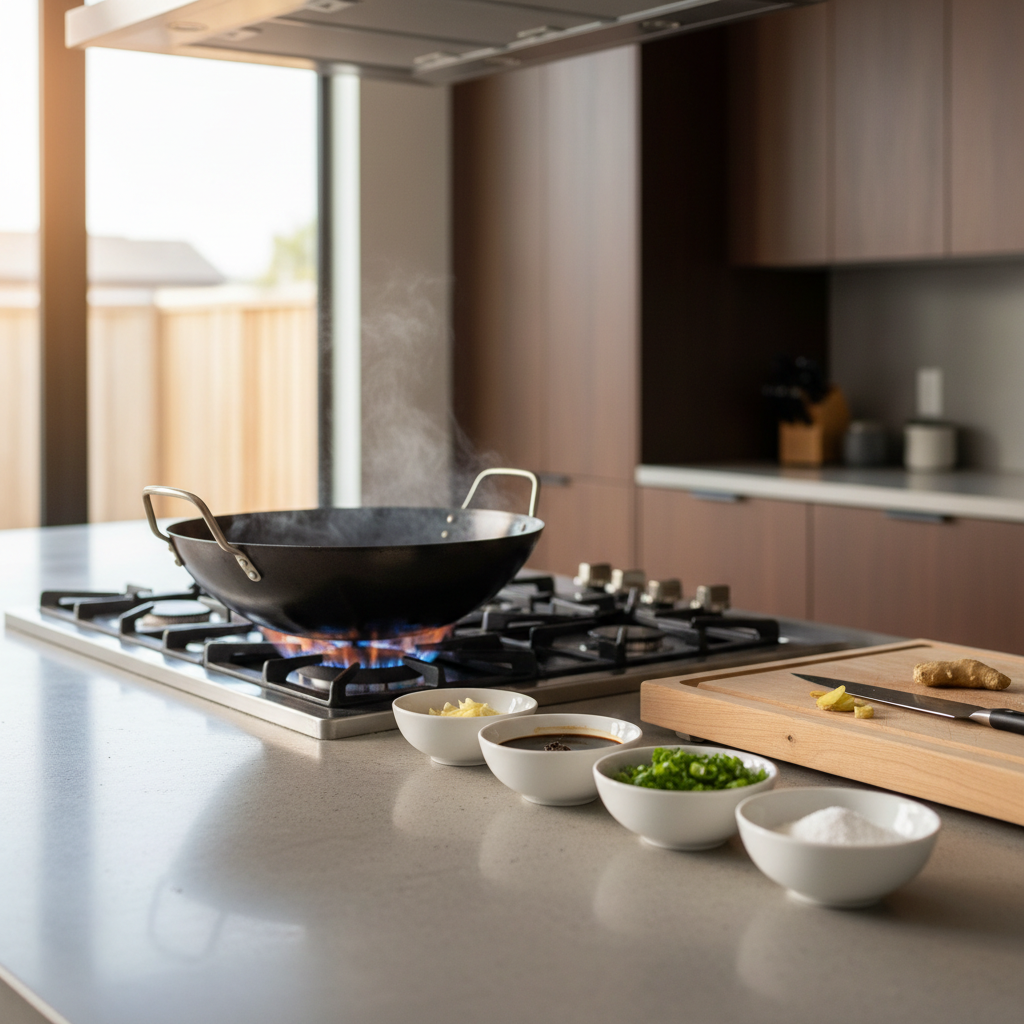
What “authentic technique” really means in Chinese kitchens
Authenticity in chinese cooking is less about one “correct” recipe and more about repeatable habits: prepping ingredients to cook evenly, building flavor in layers, and matching heat to moisture.
A useful way to think about it is: Chinese dishes often rely on short, high-impact steps. Aromatics hit hot oil, proteins cook fast, sauces thicken in seconds, and the dish is done before ingredients have time to slump.
- Cut size is cooking time: uniform slices prevent half-raw, half-overcooked results.
- Sequence matters: aromatics, protein, vegetables, sauce, finishers each play a role.
- Texture is a goal: crisp-tender veg, silky tofu, springy noodles, velvety meat.
Why many American home attempts fall short
Most problems aren’t about “wrong ingredients.” They’re usually workflow and heat issues that compound.
Common friction points
- Pan not hot enough: leads to steaming instead of searing, especially in stir-fries.
- Overcrowding: moisture pools, food turns gray, and you chase flavor with extra sauce.
- Skipping prep: sauces mixed late, aromatics chopped while oil burns, timing collapses.
- Misunderstanding soy sauces: light vs dark soy are not interchangeable in many dishes.
- Starches used blindly: too much cornstarch makes a gluey sauce and dulls flavors.
According to the USDA, food safety depends on handling and cooking foods to safe internal temperatures, so when you’re rushing a high-heat stir-fry, a thermometer check can be a smart habit for chicken or pork until you learn your stove’s behavior.
Quick self-check: which technique issue do you have?
Pick the symptom that matches your results most often. That usually points to the fix.
- Your stir-fry looks wet → heat too low, pan crowded, or vegetables salted too early.
- Meat feels dry or chewy → slices too thick, overcooked, or no velveting step.
- Sauce tastes flat → missing layered aromatics, acid, or a finishing oil, or seasoning added too late.
- Garlic burns fast → oil too hot for aromatics, or garlic too finely chopped for your timing.
- Noodles clump → not rinsed/controlled, pan not hot enough, or sauce added before loosening.
Key point: if you fix only one thing, fix prep. When your sauce is mixed and your ingredients are staged, your cooking gets calmer and more consistent.
Core techniques to learn (and how to practice each)
These techniques show up across Cantonese, Sichuan, Hunan, northern wheat-based cooking, and more. Mastering a few gets you surprisingly far in everyday chinese cooking.
1) Stir-frying with “hot pan, cold oil” logic
Many cooks do better when they preheat the pan, then add oil right before cooking. It reduces sticking and buys a little more control.
- Preheat pan until a drop of water sizzles and evaporates quickly.
- Add oil, swirl, then add aromatics briefly (seconds, not minutes).
- Cook protein in a single layer, remove, then cook vegetables, then combine.
Practice drill: stir-fry just shredded cabbage with garlic and a pinch of salt. If you can keep it crisp-tender, your heat and motion are in a good place.
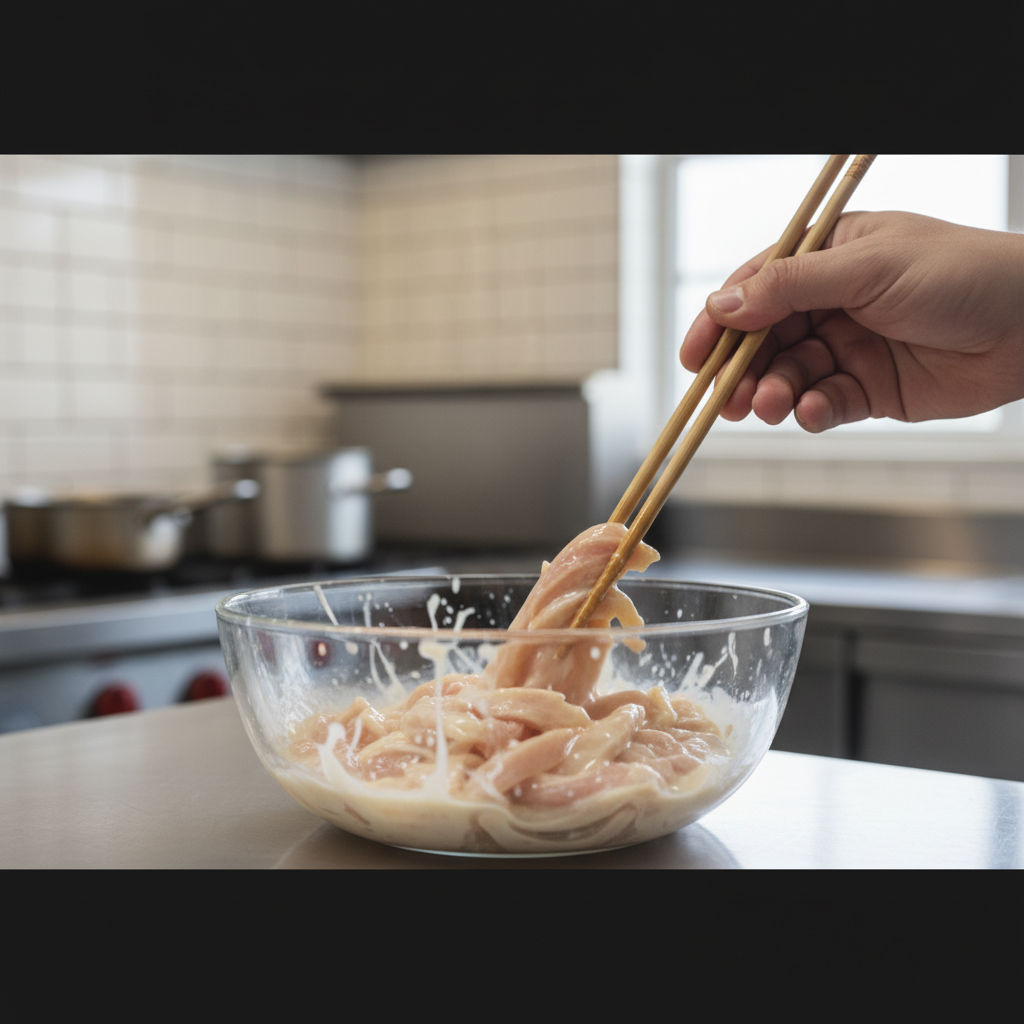
2) Velveting for tender meat
Velveting is a prep method that protects protein from high heat. Usually it’s a marinade with starch (often cornstarch), sometimes egg white, plus a quick blanch in oil or water before finishing in the stir-fry.
- Slice meat across the grain, thin and even.
- Marinate 10–20 minutes with soy sauce, a little starch, and a touch of oil.
- Optional: quick “pre-cook” in simmering water or hot oil, then finish in the wok.
Done right, you don’t need heavy sauce to hide dryness, the meat tastes like itself.
3) Red-braising (hong shao) for glossy, deep flavor
Red-braising is a gentle simmer that builds layers: sugar or rock sugar for color, soy sauces for depth, aromatics for perfume, and time for collagen-rich cuts to soften.
- Brown sugar lightly (careful, it can burn), then add aromatics.
- Add meat, then liquid, then simmer until tender.
- Reduce at the end for shine and cling.
Where people go wrong: boiling too hard. A steady simmer usually gives better texture.
4) Steaming for clean, precise texture
Steaming is underrated in the US, yet it’s one of the most “authentic” weeknight moves: fish, eggs, dumplings, greens. Flavor comes from the topping sauce and aromatics after cooking.
- Use a rack in a wok or a dedicated steamer.
- Keep a consistent steam flow, avoid opening the lid repeatedly.
- Finish with hot oil over scallions/ginger for aroma when appropriate.
According to the CDC, avoiding cross-contamination is key in any kitchen, so keep a separate plate for raw proteins and clean utensils before you move to finishing sauces or garnishes.
Tools and pantry essentials that actually matter
You can cook a lot with a skillet and a saucepan, but a few items make chinese cooking easier and more consistent, especially for high heat and quick sauces.
| Item | Why it matters | Practical tip |
|---|---|---|
| Carbon steel wok (or large skillet) | High heat, fast evaporation, better sear | Use smaller batches if you’re on an electric coil |
| Wok spatula / sturdy turner | Helps toss and scrape without tearing food | Thin edge is useful for fond and sauce |
| Rice cooker | Frees attention for fast stir-fries | Rinse rice until water runs clearer |
| Chinese light soy + dark soy | Seasoning vs color and depth | Start lighter, add dark soy in small amounts |
| Shaoxing wine (or dry sherry) | Aroma, removes “raw” meat smell | Add around the pan edge for quicker evaporation |
| Cornstarch | Velveting + sauce thickening | Mix slurry first, add at the end |
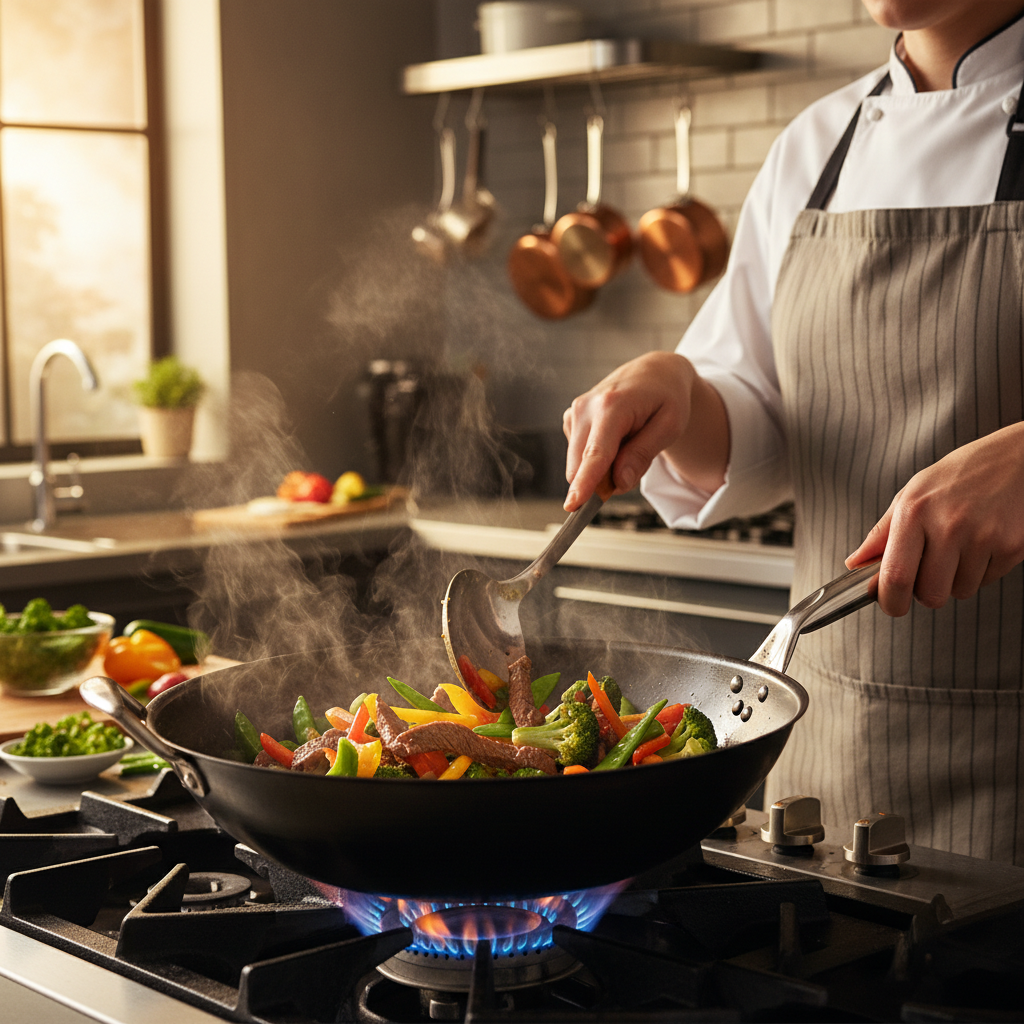
Practical workflow: a repeatable 20-minute Chinese dinner
If weeknights are your reality, the win is a workflow you can repeat, not a one-off project. This is the backbone many people use to make everyday chinese cooking feel natural.
Step-by-step
- Minute 0–5: start rice, mix sauce in one bowl, set out aromatics.
- Minute 5–10: slice protein and vegetables to similar thickness, marinate protein briefly.
- Minute 10–15: preheat pan, cook protein in one layer, remove.
- Minute 15–18: cook vegetables in order (harder first), return protein.
- Minute 18–20: add sauce, thicken if needed, finish with sesame oil or scallion.
A simple “all-purpose” sauce ratio (adjust to taste)
- Light soy sauce for saltiness
- A little sugar or honey for balance
- Black vinegar or rice vinegar for lift
- Shaoxing wine for aroma
- Cornstarch slurry for gloss (optional)
Tip: keep vinegar and sesame oil as “end notes.” Added too early, they can disappear.
Mistakes to avoid (these are sneaky)
Some missteps don’t look dramatic while cooking, but they quietly flatten the result.
- Salting watery vegetables too early: cucumbers, zucchini, mushrooms release water and sabotage searing.
- Using toasted sesame oil as cooking oil: it burns easily; treat it like a finishing perfume.
- Turning every dish into a sauce bath: many classics rely on light coating, not drowning.
- Skipping a final taste: when heat is high, seasoning shifts fast, taste right before serving.
- Chasing “wok hei” too hard: on many home stoves, you may not get restaurant char, focus on dryness and batch size instead.
Conclusion: learn the moves, then make them yours
Getting comfortable with chinese cooking is mostly about a few techniques you repeat until they feel automatic: prep before heat, cook in small batches, build flavor in layers, and finish with intent. Once those habits click, recipes stop feeling fragile and start feeling flexible.
If you want a clean next step, pick one technique to practice this week, velveting or steaming are usually the fastest “taste improvement per effort,” then keep a simple sauce bowl on standby so weeknight cooking stays realistic.
FAQ
What’s the difference between light soy sauce and dark soy sauce?
Light soy sauce is usually your main seasoning for salt and umami, while dark soy sauce leans toward color and a deeper, slightly sweeter profile. Many dishes use both, but dark soy is typically used sparingly.
Do I need a wok to do authentic Chinese cooking at home?
No, but it helps. A large skillet can still produce great results if you cook in smaller batches and let moisture evaporate. The main limitation is heat and surface area, not “authenticity points.”
Why does my stir-fry taste bland even with sauce?
Often the sauce goes in too early, or the pan never gets hot enough to drive off water. Try cooking ingredients until they smell fragrant, then add sauce near the end and reduce briefly so it clings.
How can I keep vegetables crisp-tender instead of soft?
Cut them evenly, preheat the pan, and avoid crowding. Also cook high-moisture vegetables separately or add them later. If the pan looks wet, you’re steaming, not stir-frying.
Is Shaoxing wine necessary, and what’s a good substitute?
It’s common in many Chinese kitchens for aroma, but you can often substitute dry sherry. If you avoid alcohol, small amounts of stock plus a touch of vinegar can help, though the flavor won’t be identical.
How do I thicken a sauce without making it gummy?
Mix cornstarch with cold water first, add a little at a time at the end, and simmer briefly. If it turns gummy, you likely used too much starch or didn’t give it enough heat to smooth out.
What’s a safe way to handle high-heat cooking at home?
High heat is normal in many styles, but keep oil amounts reasonable, use a stable burner setup, and ventilate well. For proteins, a thermometer can be helpful until you learn your timing; if you’re unsure about doneness, it’s worth checking USDA guidance or asking a food safety professional.
If you’re trying to cook more Chinese dishes at home and want a more predictable path, it often helps to pick one regional lane for a month and build a small “core pantry” around it, fewer ingredients, more repetition, less guesswork.