
Japanese food can feel intimidating at home, mostly because recipes mention unfamiliar ingredients and techniques, but the truth is you can cook a lot of comfort favorites with a small pantry and a few repeatable steps.
If you want weeknight-friendly meals, the fastest path is learning the “base flavors” (soy sauce, miso, dashi-style broth), then building a short rotation: one rice bowl, one noodle soup, one quick stir-fry, one simple fish or tofu dish.
This guide focuses on realistic home cooking in the U.S., what to buy at a regular grocery store, what’s worth ordering online, and how to avoid the most common first-timer mistakes that make dishes taste flat or overly salty.
Why Japanese home cooking often feels harder than it is
A lot of people try one recipe, it tastes “not like the restaurant,” and they assume they’re doing something wrong. In many cases, it’s just one of these issues.
- Missing core seasonings: without miso, rice vinegar, or a dashi-like backbone, flavors can feel one-note.
- Ingredient swaps that change the dish: substituting random vinegar for rice vinegar, or using long-grain rice for everything, can throw off texture and balance.
- Heat and timing: many dishes rely on quick cooking to keep vegetables crisp and proteins tender.
- Over-seasoning early: sauces reduce fast, so salinity spikes if you pour too much at the start.
Also, “Japanese food” at restaurants in the U.S. often leans sweeter, richer, or more intensely seasoned than everyday home meals in Japan, so your target flavor might need a reset.
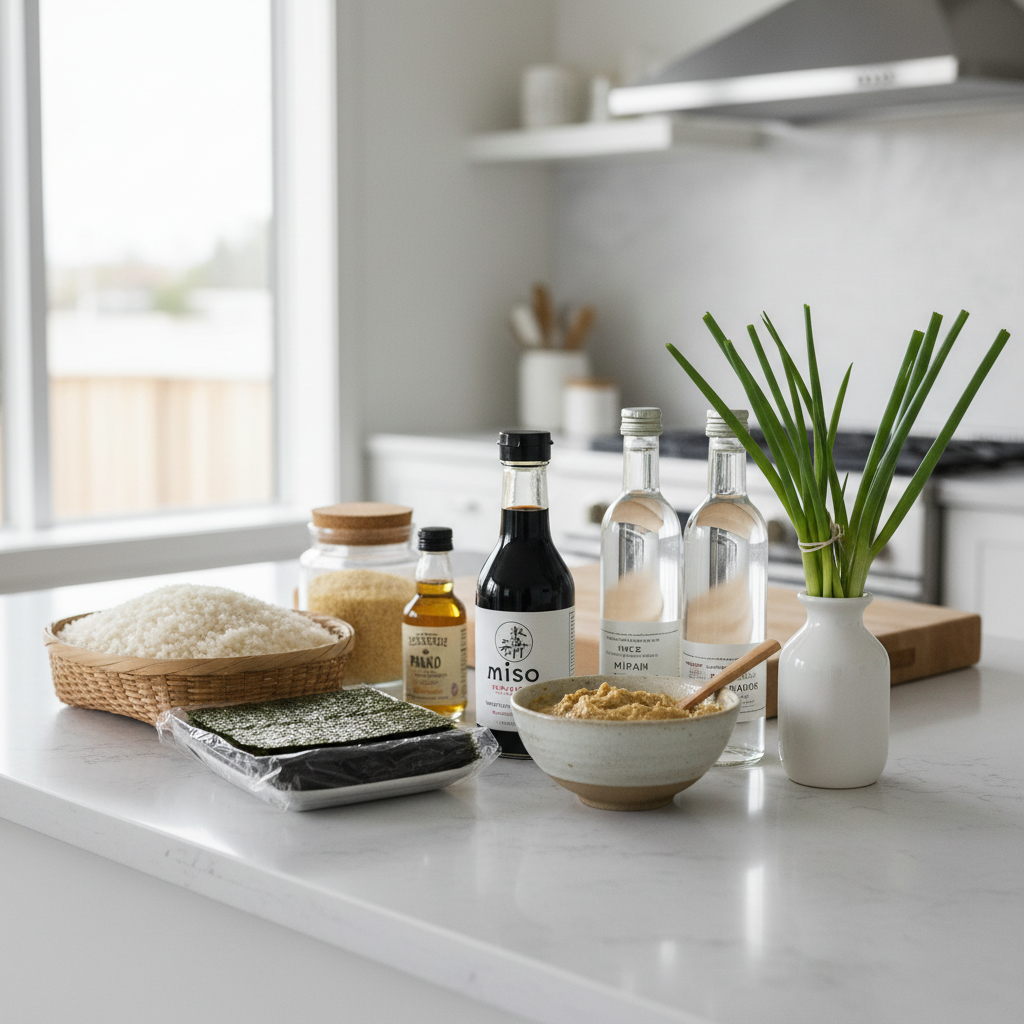
A small Japanese pantry that unlocks many recipes
You don’t need a specialty store run every week. Start with a short list you’ll actually use, then add extras only when you notice a real gap.
Staples to buy first (high usage)
- Soy sauce (Japanese shoyu if possible)
- Miso paste (white or yellow miso is easy for beginners)
- Rice vinegar
- Mirin (or “aji-mirin”; check labels and adjust sweetness)
- Sesame oil (use lightly, more aroma than “cooking oil”)
- Short-grain rice (labeled sushi rice or Japanese rice)
Nice-to-have (helps flavor fast)
- Dashi options: kombu + bonito flakes, or instant dashi powder (quick and practical)
- Panko breadcrumbs for tonkatsu-style crunch
- Nori sheets for bowls and snacks
- Shichimi togarashi for a gentle spicy finish
According to the USDA, refrigerating perishable condiments and following label storage guidance helps maintain quality and reduce food safety risk, which matters for items like miso, tofu, and cooked rice.
Quick self-check: which “home cook” situation are you in?
Before you pick recipes, be honest about your current setup. You’ll save money and frustration.
- “I’m busy”: you need 15–25 minute meals, minimal chopping, and leftovers that reheat well.
- “I’m ingredient-limited”: you need recipes that work with U.S. supermarkets and simple swaps that don’t break the dish.
- “I’m new to fish/tofu”: you need gentle flavors first, plus clear cooking cues so nothing turns watery or overcooked.
- “I want restaurant vibes”: you’ll want finishing touches like sesame seeds, scallions, nori, and a stronger sauce reduction.
Key point: choose one lane for two weeks. Trying to master ramen broth, sushi rolling, and tempura in the same weekend is how people burn out.
Easy Japanese meals to start with (and why they work)
These dishes cover the core patterns of Japanese food at home: a sauce you can memorize, a soup you can repeat, and bowls that forgive imperfect technique.
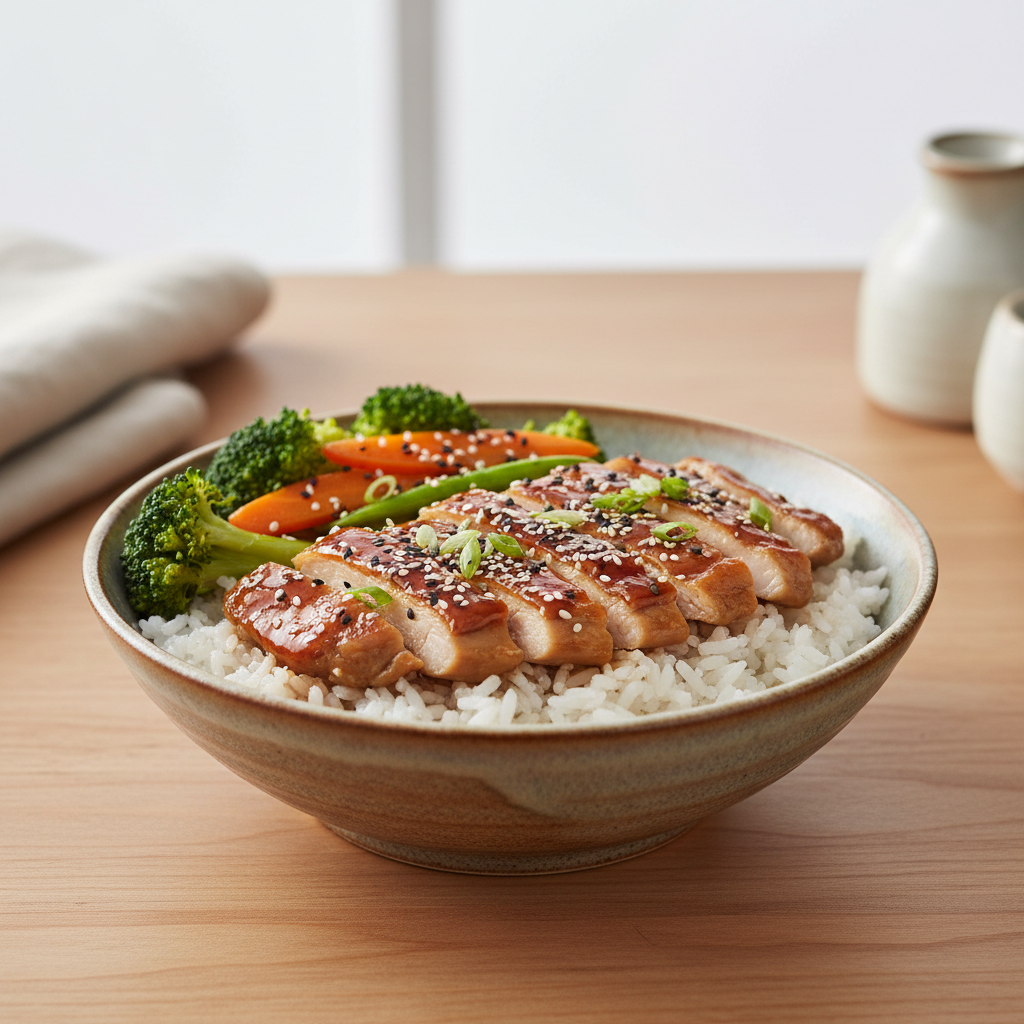
1) Teriyaki-style chicken bowl
Memorize the basic ratio: soy sauce + mirin + a little sugar (or honey) and let it reduce until glossy. Pair with rice and a simple vegetable, dinner is basically done.
- Why it’s beginner-friendly: one pan, clear visual cue (sauce coats spoon), easy to scale.
- Common tweak: add grated ginger or garlic if you like a bolder profile.
2) Miso soup with tofu and greens
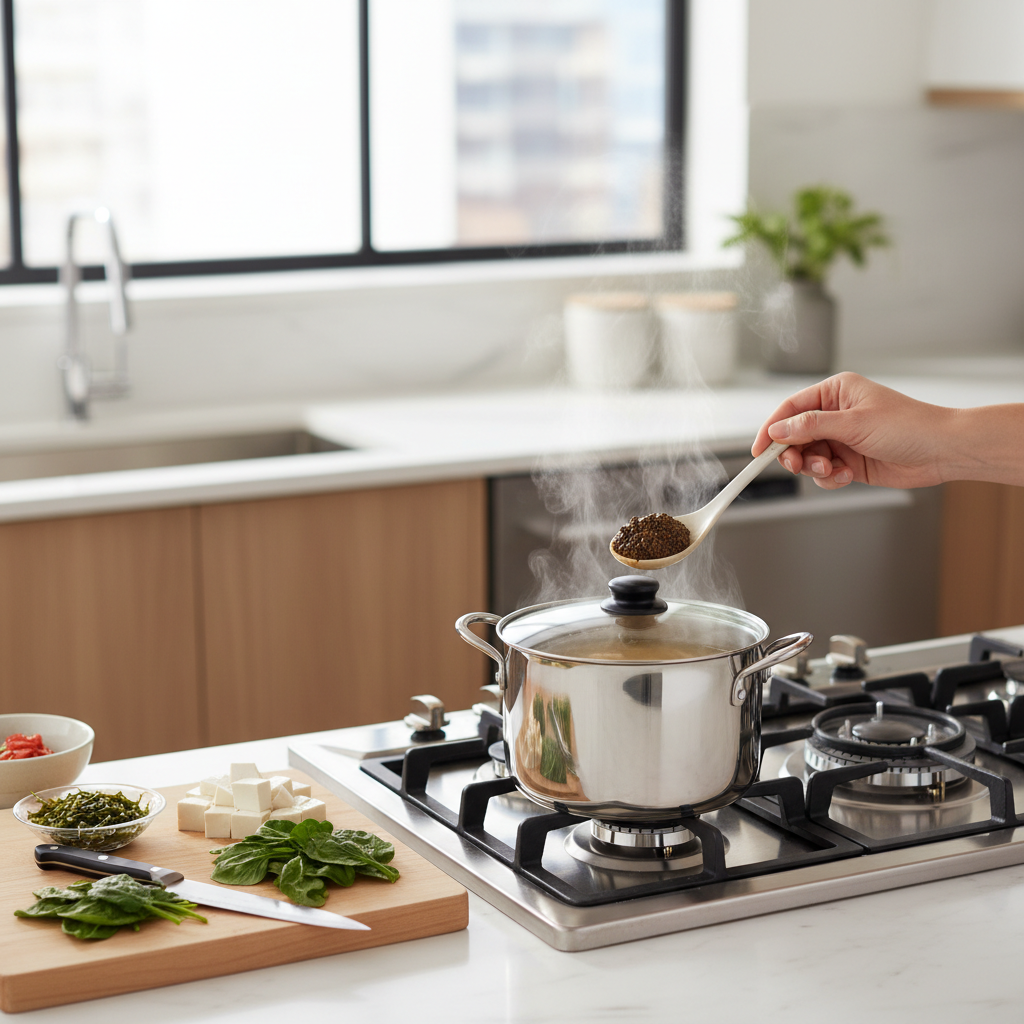
Warm broth, turn heat low, dissolve miso gently, then add tofu and spinach or wakame. Keep it below a boil after adding miso, many people find the flavor stays rounder.
- Shortcut: instant dashi plus miso paste is perfectly fine for weeknights.
- Tip: cube tofu, then blot lightly, less dilution.
3) Vegetable yaki-udon (pan noodles)
Udon noodles plus soy sauce, a touch of sesame oil, and whatever vegetables you actually have. This is a practical “use what’s in the fridge” meal without feeling random.
- Best veggies: cabbage, carrots, mushrooms, bell pepper.
- Protein options: shrimp, chicken, tofu, or egg.
4) Salmon with miso glaze
Miso + mirin + a bit of sugar makes a fast glaze. Broil or pan-sear salmon and brush near the end so the miso doesn’t scorch.
- Why it’s reliable: salmon stays forgiving even if you slightly overcook.
- Watch-out: miso browns fast under high heat, keep an eye on it.
A simple “mix-and-match” plan for weeknights
If you want consistency without meal prep fatigue, think in building blocks: base + protein + veg + finishing touch.
| Base | Protein | Vegetables | Quick sauce | Finish |
|---|---|---|---|---|
| Short-grain rice | Chicken thighs | Broccoli | Teriyaki-style | Nori + sesame |
| Udon noodles | Tofu | Cabbage + carrots | Soy + sesame oil | Shichimi |
| Rice bowl | Salmon | Spinach | Miso glaze | Scallions |
| Soup | Egg | Mushrooms | Dashi + miso | Toasted sesame |
Key takeaway: once you like two sauces, you can rotate proteins and vegetables without learning brand-new recipes every night.
Practical cooking tips that make flavors “click”
These are small moves, but they’re usually what separates “fine” from “I’d make this again.”
- Rinse rice until water runs clearer, then cook and rest it; texture matters in Japanese food more than people expect.
- Reduce sauces gently; if it tastes salty early, don’t panic, it often balances once it coats protein and rice.
- Add miso off the boil; high heat can mute aroma and increase the chance of a harsh edge.
- Use sesame oil as a finish, not a main frying fat, unless the recipe calls for it.
- Keep a “crunch” element: cucumbers, cabbage, or quick-pickled veggies can fix a heavy bowl fast.
Common mistakes (and what to do instead)
You can waste a lot of time “fixing” the wrong problem. These are the patterns that show up the most in home kitchens.
- Mistake: using any rice for rice bowls
Do instead: use short-grain rice when texture is the point; if you only have jasmine, lean toward fried rice or saucier bowls. - Mistake: drowning the dish in sauce
Do instead: start with less, reduce, taste, then add a splash of water if it goes too intense. - Mistake: expecting ramen-shop broth on day one
Do instead: treat noodles as “soup + toppings,” build confidence with miso soup or quick udon first. - Mistake: skipping garnish
Do instead: scallions, toasted sesame, and nori are cheap upgrades that make simple meals feel complete.
If you’re watching sodium or managing a health condition, many Japanese sauces can run salty. You may want to use reduced-sodium soy sauce, add more vegetables, and consider checking with a qualified health professional for personalized guidance.
Conclusion: a realistic way to make Japanese food part of your routine
Making japanese food at home works best when you stop chasing “perfect authenticity” and start building a repeatable system: a small pantry, two go-to sauces, and a few dishes you can cook without rereading a recipe five times.
Your next step can be simple: pick one bowl (teriyaki chicken or miso salmon), shop for the missing staples, and cook it twice in two weeks. The second time usually tastes noticeably better, not because you became a chef overnight, but because your timing and seasoning get calmer.
FAQ
What is the easiest Japanese food to cook for a complete beginner?
A teriyaki-style chicken bowl is a strong start because the technique is straightforward, and you can see when the sauce turns glossy and ready.
Can I make Japanese food without dashi?
Yes. Many home cooks use instant dashi, and some dishes work fine with a light chicken or vegetable broth, though the flavor will shift a bit.
Is “sushi rice” required for rice bowls?
You don’t need sushi seasoning for bowls, but short-grain rice helps the texture feel closer to what people associate with Japanese meals.
What are good Japanese meals for picky eaters?
Mild options like teriyaki chicken, simple miso soup, or yaki-udon with familiar vegetables usually land well, then you can add seaweed or spice later.
How do I keep miso soup from tasting bitter or flat?
Keep the pot below a boil after adding miso and taste for balance. If it’s flat, it often needs a little more miso or a better broth base rather than more salt.
Where can I buy Japanese ingredients in the U.S.?
Many basics are in larger supermarkets, especially soy sauce, rice vinegar, tofu, and nori. For miso varieties, kombu, or bonito flakes, Asian groceries and reputable online retailers are often the easiest.
Is it safe to store cooked rice for meal prep?
It can be, but handle it carefully: cool rice promptly, refrigerate, and reheat thoroughly. When in doubt, follow food safety guidance from sources like the USDA and use your judgment.
If you’re building a beginner-friendly Japanese food routine and want it to feel less like a project, start by choosing one sauce and one “default” grocery list, then keep everything else flexible, it’s the most sustainable way to cook at home without getting stuck on specialty shopping.