
how to make lemonade fresh homemade is mostly about two things, getting the sweet-sour balance right and keeping the citrus flavor bright instead of bitter.
If you have ever squeezed a pile of lemons and still ended up with lemonade that tastes thin, harsh, or weirdly “pithy,” you are not alone, the small choices matter, like how you dissolve sugar, how hard you press the peel, and when you add ice.
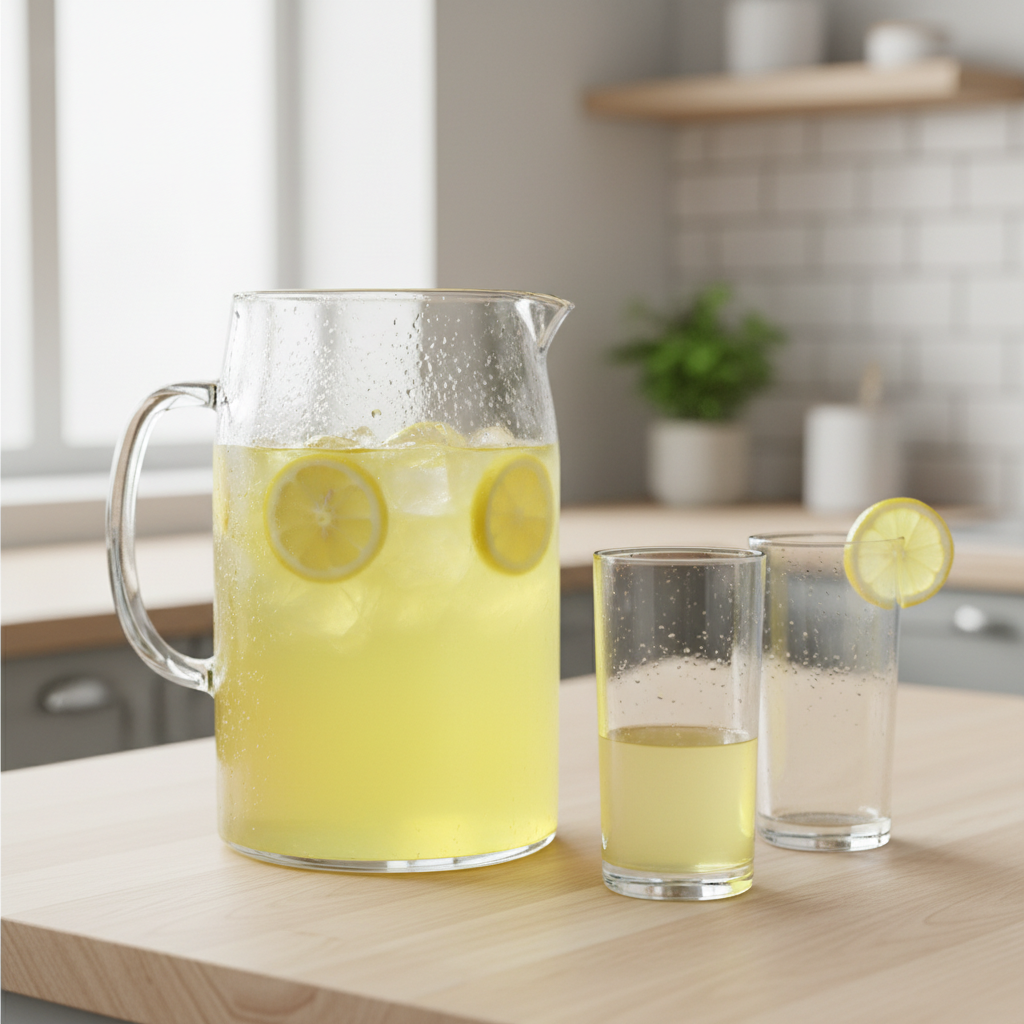
This guide gives you a reliable base recipe, a quick way to adjust sweetness and tartness for your taste, and a few upgrades that make it feel “from a good café” without turning it into a project.
Start with a reliable lemonade ratio (then adjust)
The easiest way to avoid guesswork is to start with a simple ratio and treat it like a dial, not a rule, because lemons vary a lot in acidity and juice yield.
- Classic balanced starting point: 1 cup lemon juice + 1 cup simple syrup + 4 cups cold water
- More “grown-up” tart: keep lemon juice the same, reduce syrup slightly, add a pinch of salt
- Kid-friendly sweeter: keep lemon juice the same, add a bit more syrup and more water
In many home kitchens, this ratio lands in the “bright but not aggressive” zone, then you fine-tune with small additions, not big swings.
Ingredients and tools that actually make a difference
You can make excellent lemonade with just lemons, sugar, and water, but a couple choices prevent bitterness and make the flavor last longer in the fridge.
What to buy
- Lemons: choose heavy-for-size fruit with smooth skin, they usually have more juice
- Sugar: regular white sugar tastes clean, honey or agave works but changes the flavor
- Water: cold filtered water helps if your tap water tastes chlorinated
Helpful tools
- Citrus juicer (handheld or countertop)
- Fine-mesh strainer for seeds and pulp control
- Small saucepan or microwave-safe jar for simple syrup
According to USDA FoodData Central, lemons are naturally high in citric acid and vitamin C, which is part of why fresh juice tastes so sharp, sweetness and dilution are what make it feel “refreshing” rather than “sour.”
The base recipe: fresh homemade lemonade (step by step)
This is the version to memorize, it scales cleanly for a pitcher, a party dispenser, or a single glass with the same logic.
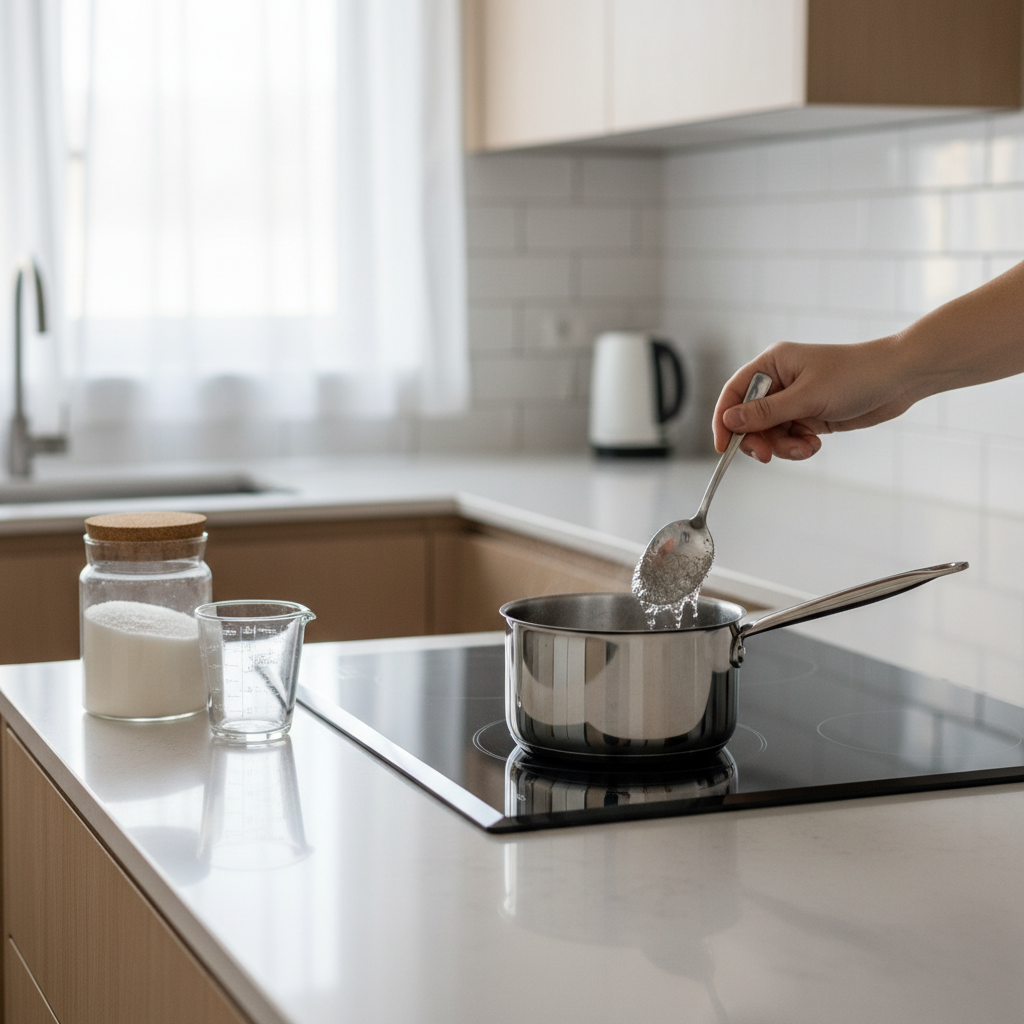
Make simple syrup (dissolves fast, avoids grainy bottoms)
- Combine 1 cup sugar + 1 cup water in a small saucepan
- Warm on medium, stir until the liquid turns clear, do not boil hard
- Cool to room temp, then chill if you have time
If you are in a hurry, microwaving the same mix in short bursts works, just make sure the sugar fully dissolves.
Juice the lemons without pulling bitterness
- Roll lemons on the counter with your palm to loosen juice sacs
- Cut crosswise, juice, then strain out seeds
- Aim for 1 cup lemon juice, usually 5–7 lemons, size dependent
Try not to grind the peel or squeeze the rind aggressively, that is where bitterness often sneaks in.
Mix and chill
- In a pitcher, combine 1 cup lemon juice + 1 cup simple syrup
- Add 4 cups cold water, stir, taste
- Chill 30–60 minutes if possible, the flavor smooths out
When people ask how to make lemonade fresh homemade that tastes “restaurant-level,” the quiet answer is usually chilling time and syrup, not a secret ingredient.
Quick self-check: why your lemonade tastes “off”
Before you fix it, you want to name the problem, because “too sour” and “tastes bitter” need different moves.
- Too sour, but not bitter: add more syrup a tablespoon at a time, or add water if it feels intense
- Sweet but still harsh: add a pinch of salt, it can round edges without making it salty
- Bitter finish: you may have extracted oils from the pith, dilute slightly and avoid extra zest
- Tastes flat: add a little more lemon juice, or serve colder, warmth mutes the “spark”
- Watery after ice: chill the pitcher first, then add ice to glasses, not the whole batch
This is also where “how to make lemonade fresh homemade” becomes less about the recipe and more about small corrections.
Adjustment table: fix flavor in 30 seconds
Use this like a troubleshooting menu, make one change, stir, then taste again, stacking fixes all at once is how you overshoot.
| Problem | Likely cause | Fast fix |
|---|---|---|
| Too tart | High-acid lemons or too much juice | Add 1–2 tbsp syrup, or 1/4–1/2 cup water |
| Too sweet | Too much syrup | Add 1–2 tbsp lemon juice, or more water plus ice |
| Bitter | Pith/peel oils extracted | Strain well, dilute slightly, avoid extra zest |
| Grainy sugar | Sugar not dissolved | Switch to simple syrup, or warm and stir to dissolve |
| Gets weak fast | Ice melting in pitcher | Chill base, ice in glasses, or use lemon-ice cubes |
Variations that still taste “fresh,” not perfumey
Once you nail the base, add-ons should support the lemon, not cover it, and a light hand usually wins.
Mint lemonade
- Lightly slap a small handful of mint, steep in syrup as it cools, then strain
- Avoid over-muddling in the pitcher, it can turn grassy
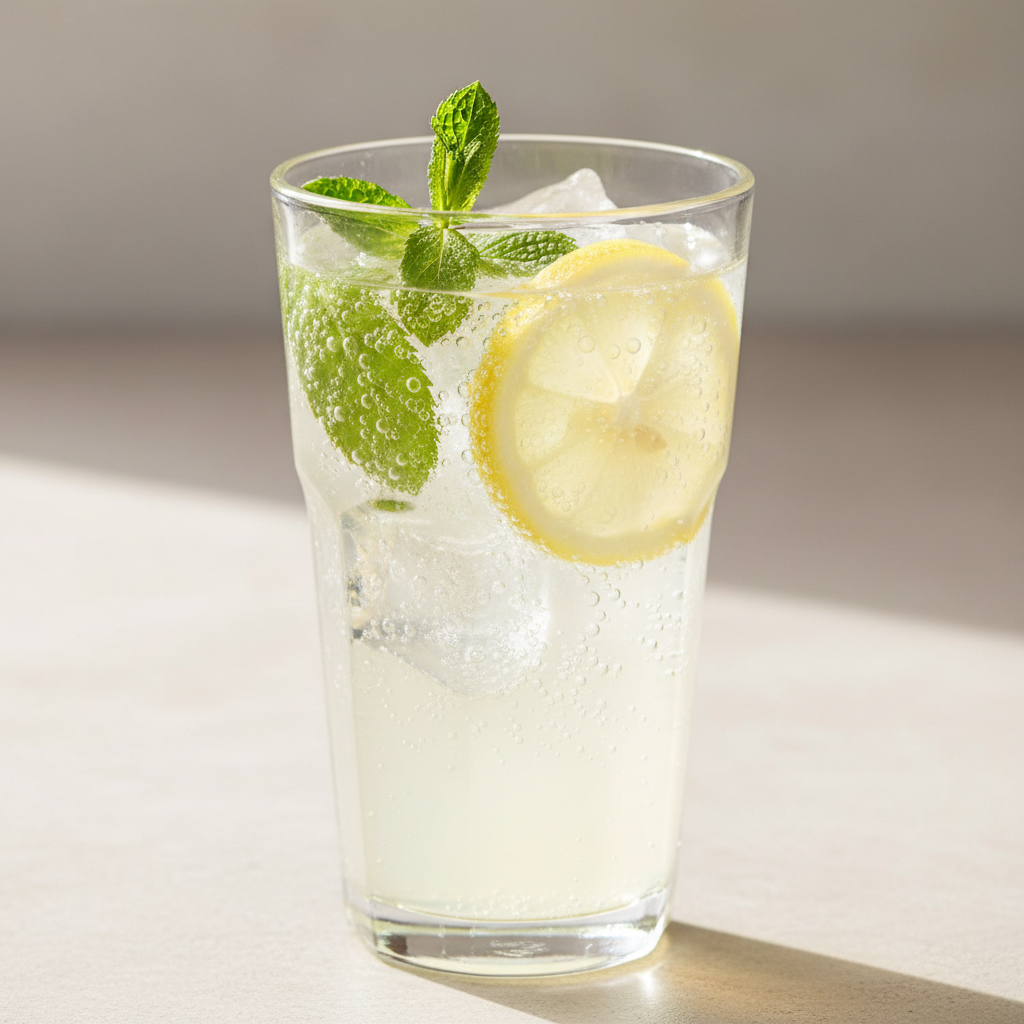
Sparkling lemonade
- Make the lemonade base slightly stronger
- Top each glass with chilled sparkling water right before serving
Strawberry lemonade (real fruit, cleaner flavor)
- Blend strawberries with a little water, strain if you want it smooth
- Stir into the base, then sweeten lightly to taste
Less-sugar option (without tasting “diet”)
- Use less syrup, then add more lemon juice very gradually for brightness
- Consider a tiny pinch of salt, it can reduce the feeling that you “need” more sugar
If you have a medical condition that requires sugar restriction, it is reasonable to check with a clinician or dietitian, especially if you plan to use sweeteners you do not normally tolerate.
Serving and storage: keep it bright for longer
Fresh lemon flavor fades and can drift bitter over time, usually from peel oils, oxidation, or sitting warm on a counter.
- Serve colder than you think: chill the pitcher, then ice the glasses
- Make lemon ice cubes: freeze diluted lemonade in trays, they melt without watering down
- Store smart: keep in a sealed pitcher in the fridge, try to finish within 2–3 days for best flavor
- Keep garnishes separate: add lemon slices and mint at serving time, not during storage
According to FDA, refrigerating perishable beverages helps slow microbial growth, so if your lemonade sits out for a long stretch at a cookout, it is safer to rotate in smaller chilled batches.
Key takeaways (so you can repeat it without thinking)
- Use simple syrup for smooth sweetness and better mixing
- Start with a ratio, then tweak in small steps, lemons vary
- Bitterness is different from sour, dilution and gentler juicing matter
- Chill the base, ice in glasses to avoid watered-down results
If you want one practical next move, make the syrup once, juice enough lemons for 1 cup, and taste-test with water in half-cup additions until it hits your “refreshing” point, you will quickly learn your household’s preferred balance.
FAQ
How many lemons do I need for 1 cup of juice?
Many kitchens land around 5 to 7 medium lemons, but it depends on size and freshness, buy a couple extra so you are not stuck short.
How do I make fresh lemonade without it turning bitter?
Focus on the juicing, press the cut lemon, not the peel, and avoid aggressively twisting the rind, then strain and keep peel slices out of the stored pitcher.
Can I use bottled lemon juice?
You can, especially in a pinch, but the flavor often tastes flatter or slightly cooked, if you do use it, consider adding a little fresh zest to the glass, not the whole pitcher, to reduce bitterness risk.
What is the best sweetener for homemade lemonade?
Granulated sugar via simple syrup stays the most neutral, honey and agave work but will taste more floral or caramel-like, which some people love and others notice immediately.
How can I make lemonade for a crowd?
Scale the base ratio up, then taste once at full volume, big batches amplify small imbalances, keep sparkling water and ice separate until serving.
Why does my lemonade taste watery after a few minutes?
Ice dilution is the usual culprit, chill the lemonade first and ice each glass, or use lemonade ice cubes if you want it consistent.
Is homemade lemonade safe to keep at room temperature?
For short periods it is usually fine, but for longer outdoor serving it is safer to keep it chilled and refresh with smaller pitchers, if you are serving kids, older adults, or anyone immunocompromised, be extra cautious.
If you are making a batch for a party, a kids’ stand, or you just want a “set it and forget it” version, a simple syrup base plus a quick taste-adjust routine is the most reliable way to get that fresh homemade lemonade flavor without wasting lemons on trial and error.