
best tomato soup recipe creamy easy is usually what people mean when they want comfort food that tastes like it simmered all day, even if they only have 30 minutes and one pot.
If your tomato soup keeps turning out thin, too acidic, or oddly “flat,” it’s rarely because you used the “wrong” tomatoes, it’s more often the technique: how you build flavor, when you blend, and how you add dairy without it getting grainy.
This guide keeps it practical: a reliable base recipe, quick ingredient swaps for whatever’s in your pantry, and a few chef-y moves that are easy to do but make the bowl taste restaurant-level.
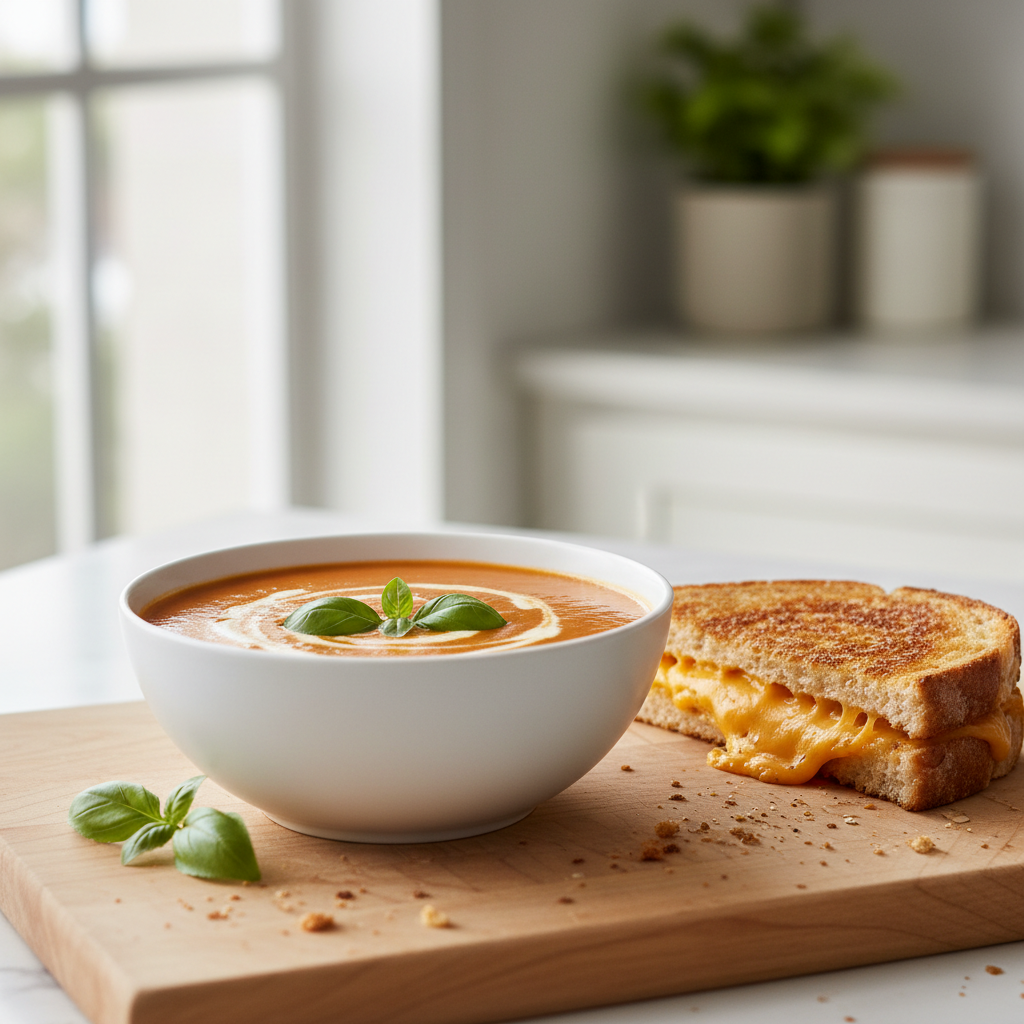
What makes a tomato soup taste “creamy” (without feeling heavy)
Creamy tomato soup isn’t just about pouring in heavy cream. A bowl can feel silky because of texture, fat balance, and how you manage tomato acidity.
- Texture: Blending fully, then simmering briefly, creates that smooth, spoon-coating body.
- Fat + emulsification: Butter, olive oil, cream, or coconut milk help carry flavor and soften sharp notes.
- Sweetness and acidity balance: Caramelized onion, a small amount of sugar or honey, and enough salt keep tomatoes from tasting harsh.
- Starch (optional): A little potato, rice, or even a small amount of flour can thicken without “gloopy” vibes.
According to the U.S. Food & Drug Administration (FDA), food safety basics still matter even for simple soups: keep hot foods hot, cool leftovers quickly, and reheat thoroughly before serving.
Best easy creamy tomato soup recipe (one pot, 30 minutes)
This is the core version I’d use for weeknights. It’s flexible, but it has enough structure that you won’t end up with watery tomato broth.
Ingredients (serves 4)
- 2 tbsp olive oil or 2 tbsp butter (or 1 tbsp each)
- 1 medium yellow onion, diced
- 3 cloves garlic, minced
- 2 tbsp tomato paste
- 1 (28 oz) can whole peeled tomatoes (or crushed)
- 2 cups low-sodium vegetable broth or chicken broth
- 1 tsp kosher salt, plus more to taste
- 1/2 tsp black pepper
- 1/2 tsp dried oregano or Italian seasoning
- Pinch of red pepper flakes (optional)
- 1/3 to 1/2 cup heavy cream (or half-and-half)
- 1 tsp sugar or 1 tsp honey (optional, adjust to taste)
- 1 tbsp balsamic vinegar or a squeeze of lemon (optional, at the end)
Steps
- Warm oil or butter in a pot over medium heat, add onion, cook until soft and slightly golden, 6–8 minutes.
- Add garlic, cook 30 seconds, then stir in tomato paste and cook 1–2 minutes until it darkens a bit.
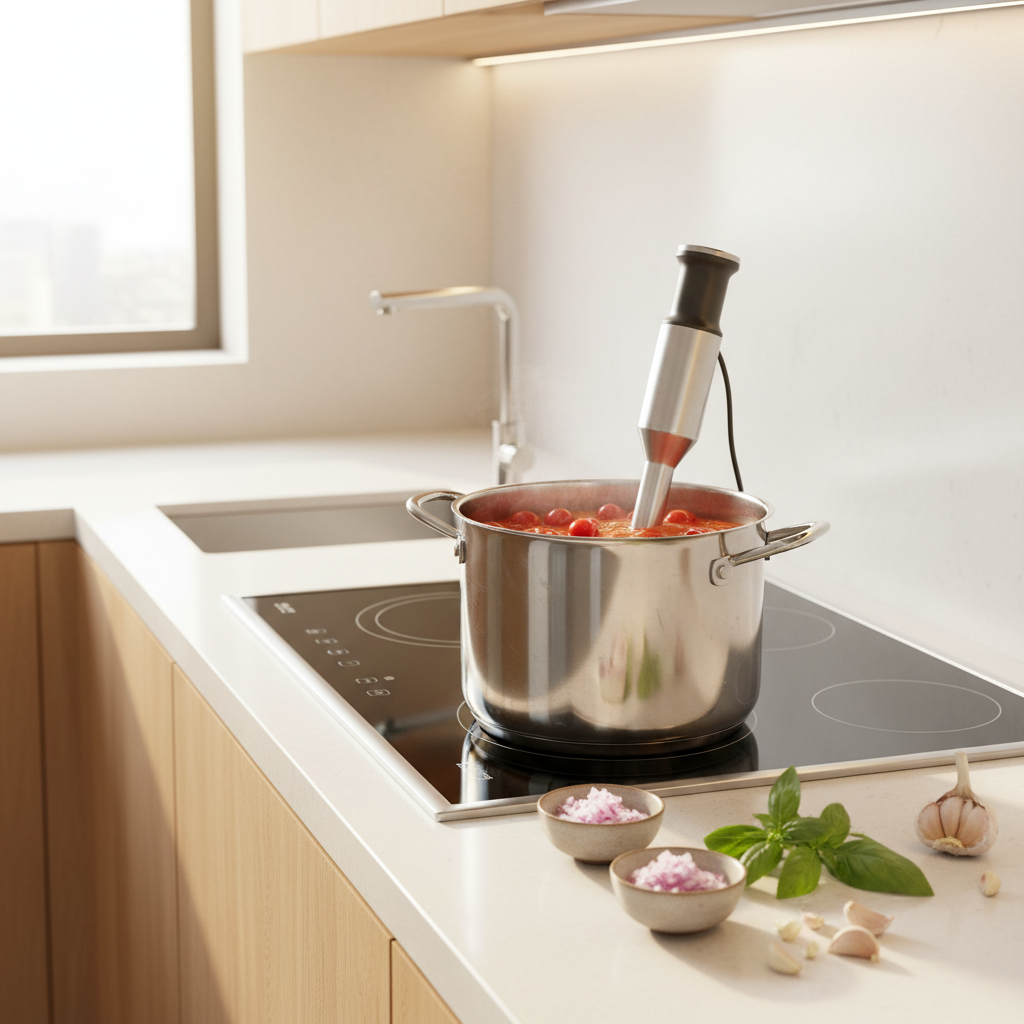
- Add tomatoes and broth, break up whole tomatoes with a spoon, bring to a gentle simmer, cook 10 minutes.
- Blend until smooth (immersion blender is easiest). If using a countertop blender, blend in batches and vent the lid carefully.
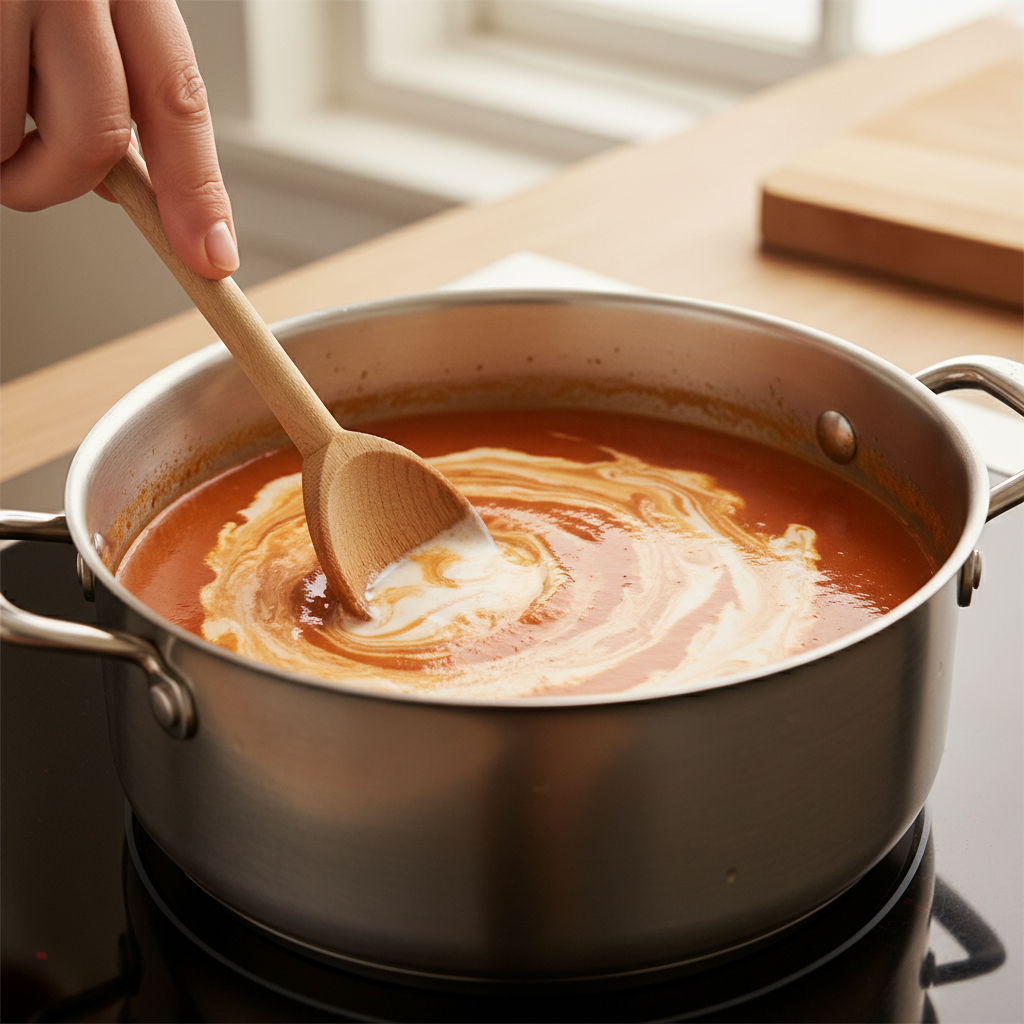
- Return to low heat, stir in cream, then taste, add salt, pepper, and optional sugar/honey if the soup tastes sharp.
- Finish with a tiny splash of balsamic or lemon if the flavor feels dull, serve hot.
Key point: cooking tomato paste briefly in fat is the small step that often separates “fine” soup from the best tomato soup recipe creamy easy searches are trying to find.
Quick flavor upgrades (choose 1–3, not all)
Many people overcorrect by adding too many extras. Pick a few upgrades based on what your soup lacks, then stop.
- Soup tastes acidic: add a touch more cream, a small pinch of baking soda, or 1 tsp sugar/honey. Go slow, baking soda can change flavor fast.
- Soup tastes flat: more salt, a pat of butter, or a tiny splash of vinegar at the end.
- Soup tastes “tomato-canny”: sauté tomato paste longer, add a pinch of smoked paprika, or simmer 5–10 minutes more.
- Want a roasted vibe without roasting: add 1/2 tsp smoked paprika plus a drizzle of good olive oil before serving.
- More body: toss in 1 small diced potato with the broth, blend it smooth.
If you’re trying to nail that diner-style comfort bowl, a grilled cheese really does help, the crunch and salt make the soup taste better even if the recipe stays the same.
Ingredient swaps that still taste like “the good one”
This is where “easy” actually matters. The best tomato soup recipe creamy easy needs to survive real pantry situations.
| What you have | Swap | What changes |
|---|---|---|
| No heavy cream | Half-and-half, whole milk, or evaporated milk | Still creamy, slightly lighter; keep heat low to avoid curdling |
| Dairy-free | Full-fat coconut milk or cashew cream | Coconut adds mild sweetness; cashew stays more neutral |
| No canned whole tomatoes | Crushed tomatoes or passata | Smoother faster, sometimes a bit sweeter |
| Need gluten-free thickening | Potato or a small handful of cooked rice | Silky thickness without flour |
| Want higher protein | Blend in a scoop of white beans | Thicker, mild flavor, surprisingly creamy |
Self-check: why your tomato soup keeps missing the mark
If your last batch disappointed you, this checklist usually pinpoints the issue in under a minute.
- Too sour: not enough fat, not enough salt, or tomatoes needed balancing with a little sweetness.
- Too watery: broth ratio too high, simmer time too short, or no thickener from blending starch.
- Grainy after adding dairy: heat too high when adding cream, or you added something acidic after dairy without tasting.
- Muted flavor: skipped browning onion, didn’t cook tomato paste, or under-seasoned.
- “Raw tomato” taste: needs a longer simmer, or a better can brand next time.
One honest note: canned tomatoes vary by brand and season, so you may need tiny adjustments, especially salt and sweetness. That’s normal, not a failure.
How to serve it (and store it) without ruining texture
Serving is where “creamy” can disappear, usually because the soup sits too long on high heat or gets reheated aggressively.
Serving ideas
- Classic: grilled cheese, sharp cheddar works especially well.
- Quick garnish: basil, chives, croutons, or a drizzle of olive oil.
- More filling: stir in tortellini, cooked rice, or shredded rotisserie chicken.
Storage and reheating
- Cool leftovers quickly, refrigerate in a sealed container, and use within 3–4 days in many home-kitchen situations.
- Reheat on low, stirring often. If it thickens in the fridge, loosen with a splash of broth.
- If you plan to freeze it, consider freezing before adding dairy, then add cream after thawing for a smoother result.
According to the USDA Food Safety and Inspection Service (FSIS), leftovers should be refrigerated within 2 hours, and reheated to a safe temperature; if you have health concerns, it’s smart to check their latest guidance or consult a professional.
Key takeaways (so you can make it tonight)
- Cook the tomato paste in fat for deeper flavor, it’s the easiest “upgrade” that still feels easy.
- Blend well, then simmer briefly so texture turns silky instead of foamy or thin.
- Add cream on low heat and adjust salt and sweetness at the end, that’s where balance happens.
- Use smart swaps like coconut milk, beans, or potato when your pantry is limited.
Conclusion: a creamy tomato soup you can actually repeat
If you want a best tomato soup recipe creamy easy enough for weeknights, focus less on fancy ingredients and more on the couple of steps that build flavor and protect texture. Make the base once, taste carefully at the end, and you’ll get a soup that feels rich without being fussy.
Next move: cook a batch as written, then on your second round try just one upgrade, like white beans for body or a splash of balsamic to brighten, keeping everything else the same so you can actually tell what helped.
FAQ
How do I make creamy tomato soup without heavy cream?
Half-and-half, whole milk, evaporated milk, or a dairy-free option like cashew cream can work. Keep the heat low when adding it, that’s where most “curdled” texture problems start.
Why does my tomato soup taste too acidic even after adding cream?
Cream helps, but salt and a little sweetness often matter just as much. Try a small pinch of sugar or honey, then re-taste, and consider simmering a bit longer to mellow the tomatoes.
Can I use fresh tomatoes instead of canned?
You can, but it may take longer to cook down and the flavor varies a lot by season. For most people chasing the best tomato soup recipe creamy easy, canned tomatoes stay more consistent.
What’s the easiest way to thicken tomato soup?
Blend thoroughly and simmer a few extra minutes. If it’s still thin, add a small diced potato early on, or blend in a handful of cooked rice or white beans.
Is tomato soup healthy?
It can be, depending on sodium, portion size, and what you pair it with. If you manage a health condition or need a specific diet, it’s safer to consult a qualified professional for personalized guidance.
How do I keep cream from splitting in tomato soup?
Lower the heat before adding dairy, stir gently, and avoid boiling afterward. If you’re using something lighter like milk, temper it with a ladle of warm soup first.
Can I make this in advance for meal prep?
Yes, and it often tastes better the next day. For the smoothest texture, reheat slowly and add a splash of broth if it tightens up in the fridge.
If you’re trying to get this on the table even faster, prep the onion and garlic ahead, keep a solid canned tomato brand in your pantry, and treat the soup like a “template” you can repeat, it’s the easiest way to make weeknight comfort food feel effortless.