
best fried fish recipe crispy easy is really about one thing, getting a crunchy coating that stays crunchy long enough to serve, without turning dinner into a weekend project.
If your fish comes out pale, greasy, or the breading slides off, it usually isn’t your oil “being wrong,” it’s the small setup details, moisture, coating order, and temperature control.
This guide keeps it practical, pick the right fish, choose a coating that fits your patience level, dial in oil heat, then finish with a few habits that stop sogginess. You’ll also get a quick troubleshooting table for the common failures people don’t talk about until it’s too late.
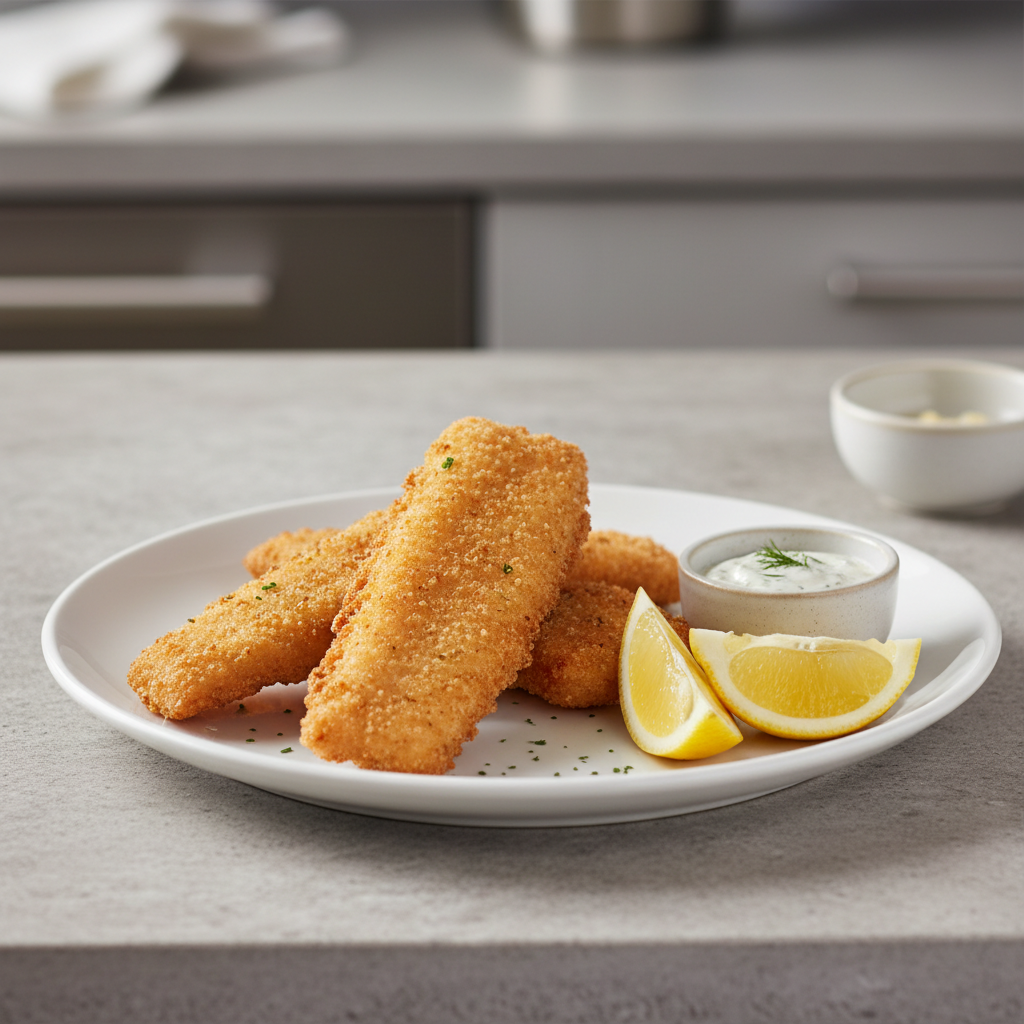
What actually makes fried fish “crispy” (and why it goes wrong)
Crispiness comes from fast moisture loss and a coating that sets before steam can soften it. When it fails, one of these is usually happening.
- Wet surface: water or fish juice turns flour into paste, paste turns into soft spots.
- Coating mismatch: breadcrumbs can brown before they dry, some batters stay fragile if the fish steams.
- Oil too cool: food absorbs oil before the crust sets, and “greasy” is the inevitable result.
- Overcrowding: oil temperature drops, steam gets trapped, crust goes limp.
- Wrong hold: covering with foil or stacking traps steam and undoes your work.
According to USDA Food Safety and Inspection Service (USDA FSIS), seafood should be cooked to an internal temperature of 145°F for safety. That matters here because if you chase “extra crisp” by overcooking, you’ll often dry the fish out before you improve crunch.
Pick the right fish for frying (easy wins before you even start)
The best fried fish recipe crispy easy starts with fish that stays flaky and forgiving under high heat. In many home kitchens, mild white fish is the easiest lane.
Good everyday choices
- Cod: classic “fish fry” texture, thick fillets, hard to mess up.
- Haddock: slightly sweeter, fries well, popular in Northeast fish fries.
- Pollock: budget-friendly, similar to cod, cooks fast.
- Catfish: richer flavor, pairs well with cornmeal coatings.
- Tilapia: cooks very quickly, can be delicate, handle gently.
Thickness matters more than people think
Aim for fillets about 3/4 to 1 inch thick, if they’re too thin, they overcook before the crust browns, too thick and you risk a dark coating before the center hits temp.
The best easy crispy fried fish recipe (simple, repeatable)
This is the version most people can repeat on a weeknight. It uses a light flour-starch dredge plus a quick dip that helps the coating grab, no fussy long batter rests.
Ingredients (serves 4)
- 1 1/2 to 2 lb white fish fillets (cod, haddock, pollock), cut into 4 to 8 pieces
- Kosher salt and black pepper
- 1 tsp garlic powder
- 1 tsp paprika (smoked or sweet)
- 1/2 tsp cayenne (optional)
- 3/4 cup all-purpose flour
- 1/4 cup cornstarch (helps crisp and lightness)
- 2 large eggs
- 2 tbsp water or milk
- Neutral frying oil (canola, peanut, vegetable), enough for 1 to 1 1/2 inches in a skillet
- Lemon wedges, tartar sauce or hot sauce, optional
Equipment
- Heavy skillet or Dutch oven
- Instant-read thermometer (strongly recommended)
- Wire rack over a sheet pan (for holding)
Steps
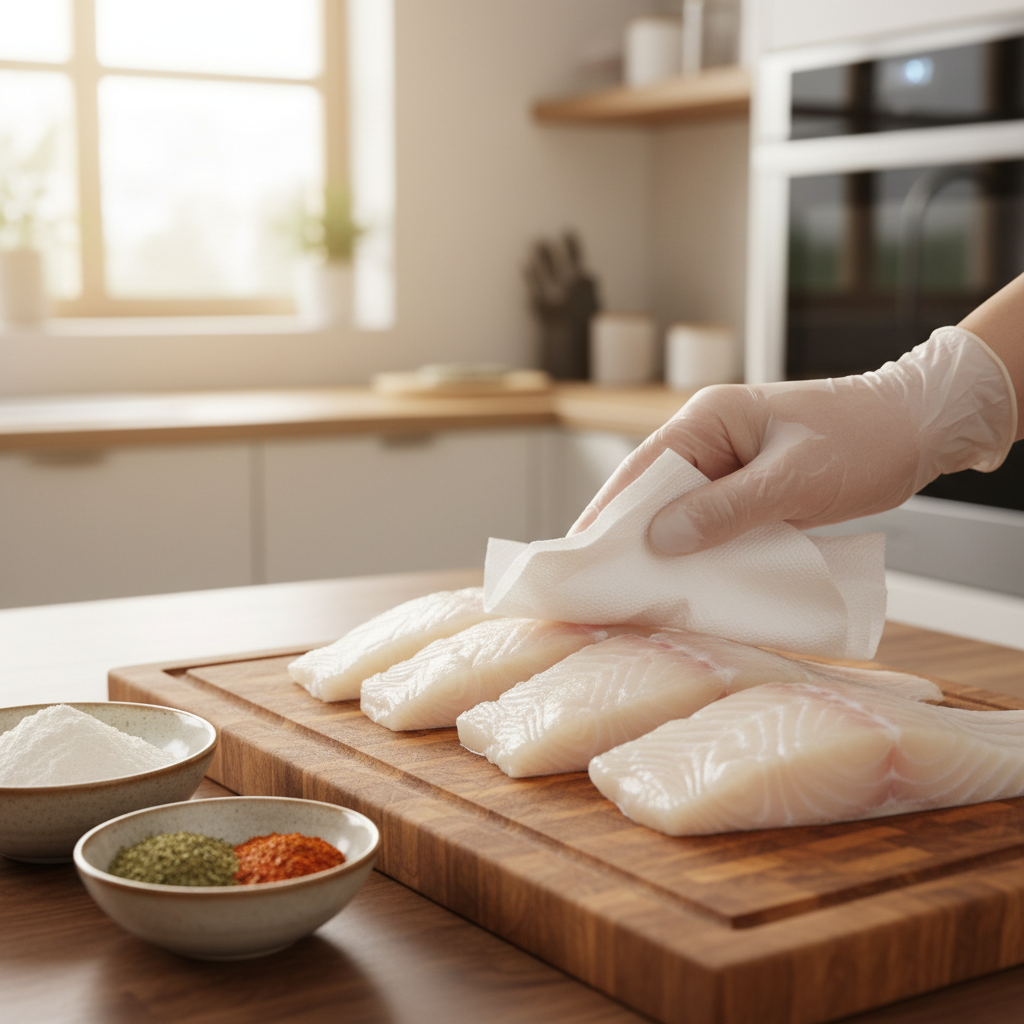
1) Dry and season the fish. Pat fish very dry with paper towels, then season both sides with salt, pepper, garlic powder, paprika, and optional cayenne.
2) Set up two bowls. Bowl A, flour + cornstarch + a pinch of salt and pepper. Bowl B, eggs whisked with water or milk.
3) Coat with a light hand. Dredge fish in Bowl A, shake off excess. Dip in Bowl B. Dredge again in Bowl A, press gently so it adheres, then shake off loose flour. Let pieces sit on a rack 5 to 10 minutes so the coating hydrates and “glues.”
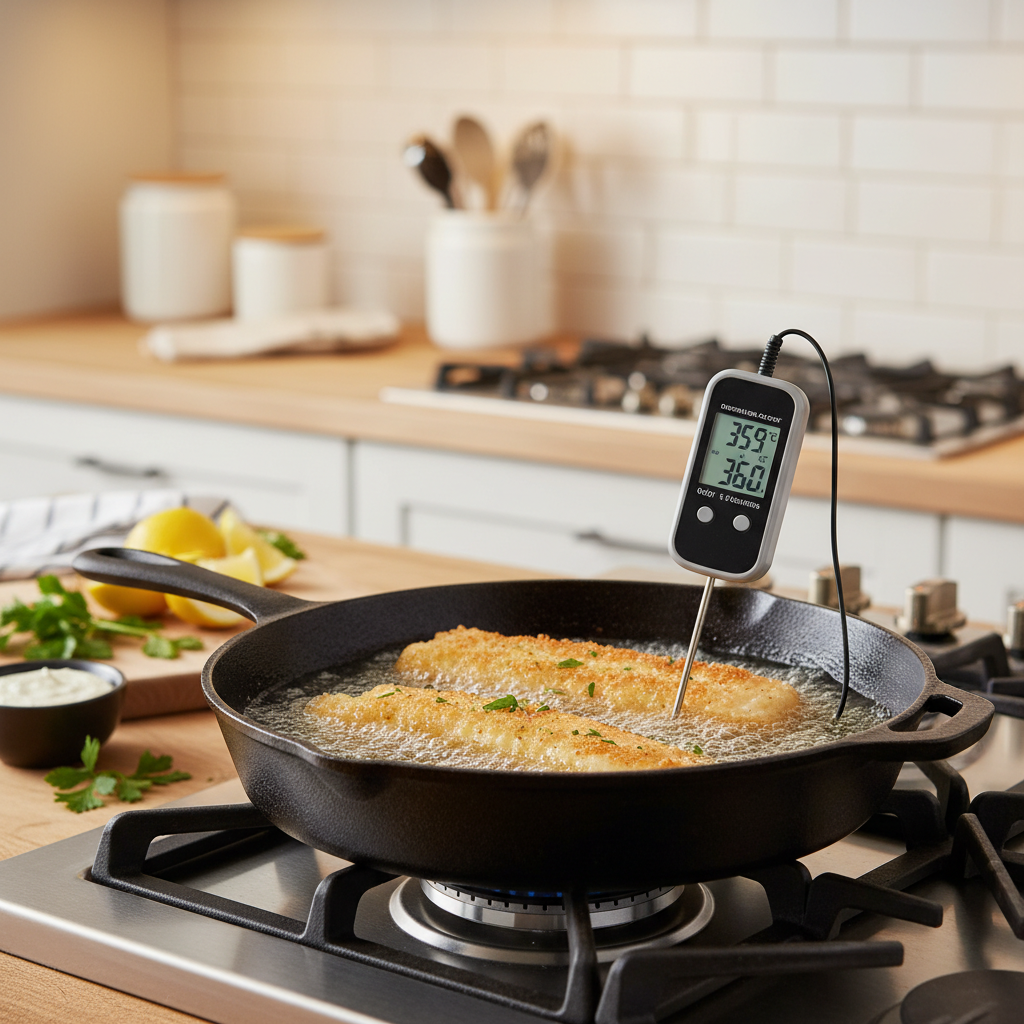
4) Heat oil to 350°F to 365°F. Use medium-high heat and confirm with a thermometer. If you don’t have one, a pinch of flour should sizzle immediately and float, not sink and sulk.
5) Fry in batches. Lay fish away from you, don’t crowd. Fry 2 to 4 minutes per side depending on thickness, aiming for deep golden brown.
6) Drain correctly. Move fried pieces to a wire rack, not paper towels, paper traps steam and softens the crust.
7) Check doneness. The center should hit 145°F and flake easily. If you’re unsure, pull one piece and test, it’s better than guessing.
Quick “crisp factor” upgrades (choose one, not all)
If you like tinkering, a small tweak can push crunch further without making the recipe complicated. Pick the one that matches your style.
- Swap water for club soda in the egg dip: bubbles can lighten the coating a bit, especially if your flour dredge runs heavy.
- Add 1/2 tsp baking powder to the flour mix: can help with airy texture, though too much tastes “chemical.”
- Use fine cornmeal for a Southern crunch: replace 1/4 cup flour with fine cornmeal, great with catfish.
- Double-fry for extra crunch: fry once to light golden, rest 5 minutes, fry again 45 to 60 seconds, watch closely.
Troubleshooting table: why it’s soggy, greasy, or falling apart
This is the part that saves dinner. When something’s off, it’s usually a single cause, not “the whole recipe.”
| Problem | Most likely cause | Fix next time |
|---|---|---|
| Soggy crust after 5 minutes | Fish not dried, or held covered | Pat dry aggressively, hold on wire rack, skip foil |
| Greasy coating | Oil too cool, overcrowding | Keep oil 350–365°F, fry in batches, preheat longer |
| Breading falls off | Too much flour, rushed coating, wet spots | Shake off excess, rest 5–10 min, ensure dry fish |
| Burnt outside, raw inside | Oil too hot, fillets too thick | Lower to ~350°F, cut thick fillets into smaller portions |
| Pale and tough | Oil too cool or overcooked to “get color” | Heat oil properly, pull at 145°F, let color come from temp control |
Practical tips that make this recipe feel “easy” in real life
A lot of “easy” recipes ignore the messy parts. These habits reduce cleanup, stress, and rework, which is what easy really means on a Tuesday.
- Use a rack from the beginning: rack for resting coated fish, rack for draining fried fish, same setup.
- Season your flour mix, not just the fish: flavor ends up in the crust where you taste it.
- Batch plan: keep cooked pieces in a 200°F oven on a rack while finishing the rest, the airflow helps.
- Stay consistent with piece size: mixed thickness forces you to choose between overcooking and undercooking.
- Salt at the end, lightly: a small pinch right after frying tastes brighter than heavy pre-salting.
Key takeaway: if you want the best fried fish recipe crispy easy, most of the work happens before the fish touches oil, dry surface, stable temperature, and a draining method that doesn’t steam the crust.
Food safety and oil safety (worth the 30-second check)
Hot oil is unforgiving, and seafood safety has less wiggle room than people assume. If you’re cooking for kids, pregnant people, older adults, or anyone immunocompromised, it’s smart to be stricter, and in medical edge cases, you may want to consult a healthcare professional.
- Cook to 145°F internal: According to USDA FSIS, that’s the recommended safe temperature for fish.
- Keep water away from oil: wet hands, wet utensils, or rinsed fish can cause dangerous splatter.
- Cool oil safely: turn off heat, let it cool completely before straining, store away from light.
- Ventilation helps: use your hood fan, smoke usually means oil is too hot or bits are burning.
Conclusion: your next fry should be crunchy, not complicated
If you’ve been chasing crunch with extra flour, extra time, or extra heat, it’s usually the wrong lever. Dry the fish, use a light flour-cornstarch dredge, keep oil in the 350°F to 365°F range, and drain on a rack, that combination gets you very close to restaurant-style results without turning your kitchen into a science lab.
If you cook this once and something still feels off, don’t scrap the whole approach, use the troubleshooting table, change one variable, and try again. That’s how you land on your personal “best.”