
Best dal makhani recipe black dal is really about two things most home cooks underestimate: the bean texture (creamy, not mushy) and the finish (rich, not greasy). If your dal tastes flat, splits badly, or feels heavy, it usually isn’t your spice list, it’s process.
This version aims for that North Indian restaurant vibe, but with realistic American-kitchen tools, no specialty equipment required. You’ll get a clear ingredient strategy, timing that makes sense on a weeknight, and fixes for the usual issues like watery sauce or chalky lentils.
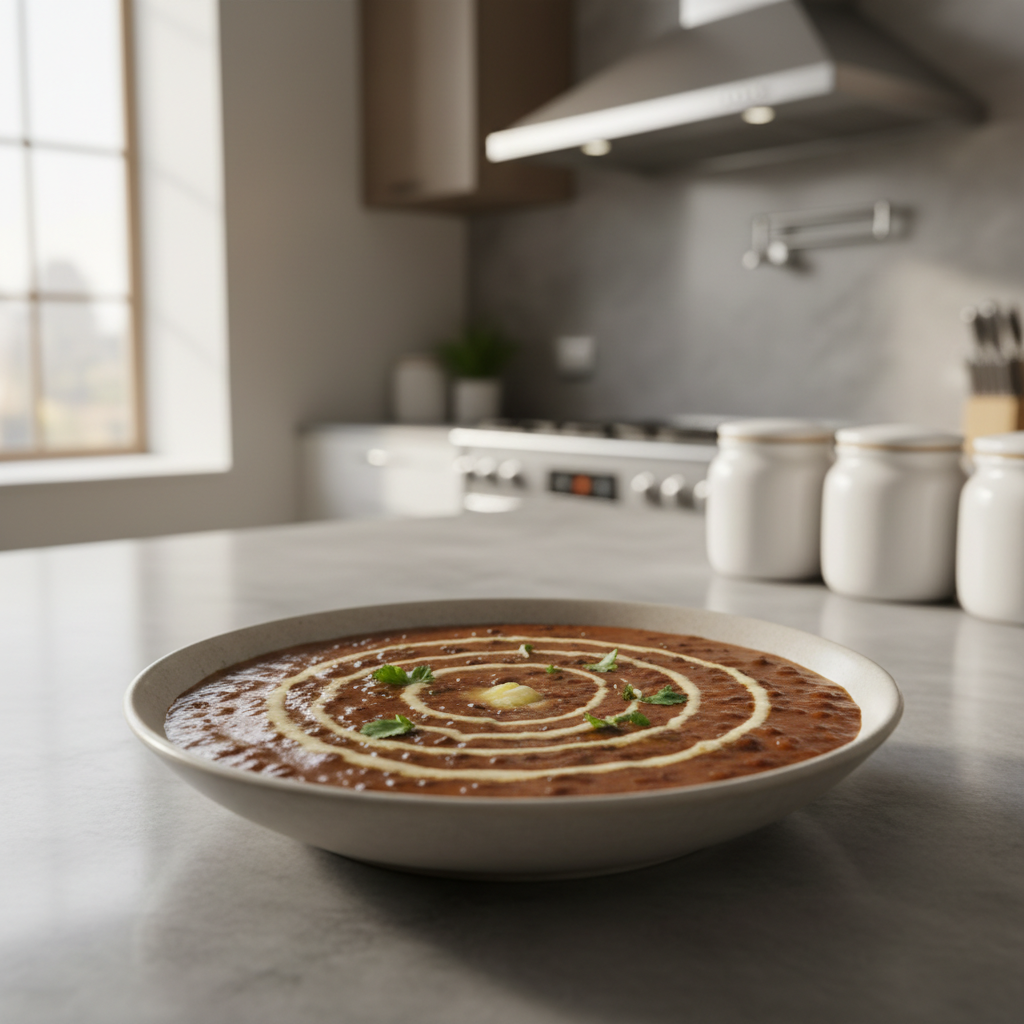
One quick note before we cook: dal makhani has lots of “family versions.” If you prefer less smoke, less dairy, or a lighter finish, you can still keep the core method and adjust the ending, that’s where most of the personalization sits.
What “Black Dal” Means in the U.S. (and What to Buy)
In many Indian recipes, “black dal” for dal makhani refers to whole black gram, often labeled as whole urad or black urad. Some bags say “black lentils,” but they’re not always the same as beluga lentils.
- Primary bean: whole urad dal (black gram), skin-on.
- Classic add-in: kidney beans (rajma), optional but common in restaurant-style.
- Avoid swapping with: beluga lentils if your goal is the traditional creamy body, they cook differently and won’t give the same texture.
If you’re shopping at a U.S. grocery store, Indian markets or online retailers usually have the right urad. Check the label for “whole urad” rather than “split.” Split urad can work, but the final dish tends to lose that signature bite.
Ingredients That Actually Matter (Not a 30-Spice List)
The best dal makhani recipe black dal doesn’t need a huge spice rack, but it does need a few “non-negotiables” for depth.
Core ingredients
- Whole urad dal: 1 cup
- Kidney beans: 1/4 cup (optional), or use canned later
- Onion: 1 medium, finely chopped
- Tomatoes: 1 cup crushed or 2 medium grated (tomato paste also helps)
- Ginger-garlic paste: 1–2 tbsp (or grated ginger + minced garlic)
- Butter: 2–3 tbsp (ghee works too)
- Cream: 1/4 cup heavy cream (or half-and-half, see notes)
- Spices: cumin seeds, Kashmiri chili powder (or mild paprika), garam masala
- Kasuri methi (dried fenugreek leaves): small handful, crushed
- Salt: to taste
Flavor boosters (optional, but noticeable)
- Black cardamom: 1 pod for smoky backbone
- Smoked paprika: tiny pinch if you skip the charcoal smoke step
- Tomato paste: 1–2 tbsp for deeper color and sweetness
Soaking, Cooking, and Texture: The Part That Makes or Breaks It
If your beans never turn creamy, it’s usually soaking time, water ratio, or not cooking long enough after the beans are “technically done.” Urad needs time to release starch and thicken the pot.
- Soak whole urad: 8–12 hours in plenty of water.
- Soak kidney beans: 8–12 hours too, unless using canned.
- Rinse well: until water looks mostly clear.
For cooking, a pressure cooker or Instant Pot is practical in the U.S. A stovetop simmer works, but it’s a longer commitment.
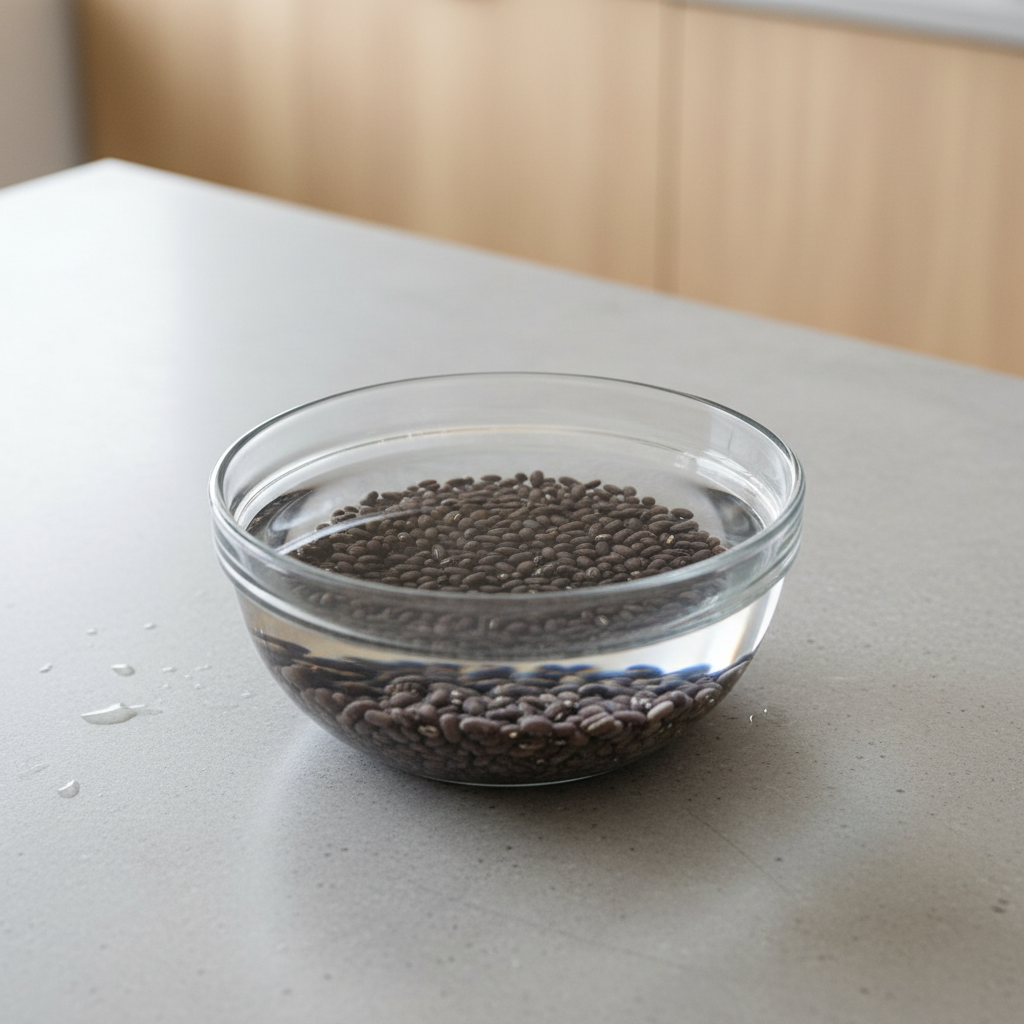
Instant Pot guide (typical): cook soaked urad with 3–3.5 cups water on High Pressure 25–30 minutes, natural release 15 minutes. Kidney beans need longer; cook separately 25–35 minutes depending on age/brand, or use canned and add later.
When you open the lid, you want beans that mash easily between fingers, but still hold shape. If they feel firm in the center, give another 5 minutes pressure and recheck.
Step-by-Step Best Black Dal Makhani (Restaurant-Style, Home-Friendly)
This is the workflow that tends to keep flavor clean and texture consistent. You’ll build a masala base, then slow-simmer the cooked beans in it until the pot turns glossy.
1) Cook the beans
- Pressure-cook soaked whole urad until soft and creamy.
- If using canned kidney beans, rinse and set aside.
2) Make the masala
- In a heavy pot, melt 2 tbsp butter over medium heat.
- Add 1 tsp cumin seeds, let them sizzle 20–30 seconds.
- Add chopped onion, cook until golden-brown edges show.
- Add ginger-garlic paste, cook until raw smell fades.
- Add tomatoes (and tomato paste if using), cook until the mixture looks thicker and butter starts separating a bit.
- Stir in chili powder/paprika and salt.
3) Combine and simmer for body
- Add cooked urad (and kidney beans if cooked) into the masala.
- Add water as needed for a loose stew consistency, it thickens as it simmers.
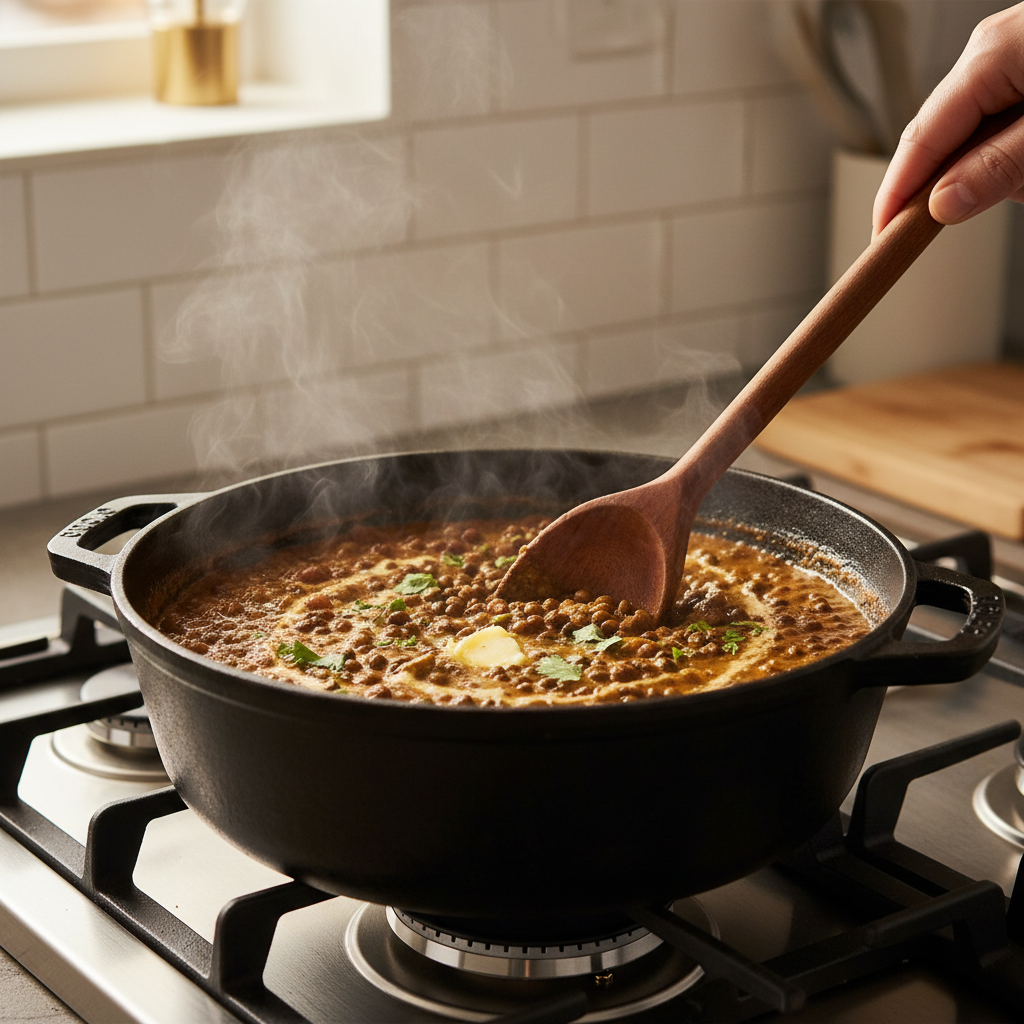
- Simmer on low 25–45 minutes, stir often and gently mash a few spoonfuls against the pot wall to release starch.
4) Finish like a restaurant kitchen
- Add 1 tbsp butter and kasuri methi (crushed between palms).
- Add garam masala (start with 1/2 tsp).
- Turn heat to low, stir in cream, simmer 2–3 minutes.
If you stop too early, the dish tastes “tomato-forward” rather than mellow. That last simmer is where the best dal makhani recipe black dal earns its reputation.
Timing, Heat, and Flavor: A Quick Reference Table
Dal makhani is forgiving, but a few checkpoints keep you out of trouble.
| Step | What you’re aiming for | Common mistake | Fix |
|---|---|---|---|
| Soak | Beans plump, skin relaxed | Short soak, tough center | Soak longer or pressure-cook a bit more |
| Tomato masala | Thick, less raw acidity | Stopping when it’s still watery | Cook down longer, add a little butter |
| Simmer together | Glossy, creamy, coats spoon | Thin broth, separated fat | Low simmer, mash a few beans, stir often |
| Cream finish | Round, mellow, not oily | Boiling after adding cream | Keep heat low, short simmer |
Self-Check: Which Dal Problem Are You Having?
Before you add more spices, check what’s really off. Most “bland dal” complaints are texture and balance issues.
- Watery and flat: not enough simmer time after combining, or too much water early.
- Too sour: tomato base didn’t cook down, or tomatoes were extra acidic.
- Grainy texture: beans undercooked or old stock; urad can take longer when older.
- Greasy finish: too much butter/cream too early, or heat too high after dairy.
- “Missing restaurant flavor”: often kasuri methi and black cardamom, plus longer mellow simmer.
Practical Variations for U.S. Kitchens (and Dietary Tweaks)
You can keep the soul of the dish and still adjust for your pantry. Just don’t change everything at once, or you’ll never know what helped.
No Instant Pot
- Stovetop: simmer soaked urad gently until soft, often 60–90 minutes, sometimes longer.
- Add hot water as needed, keep the pot from sticking.
Lighter finish
- Swap heavy cream for half-and-half, use less, and keep heat very low.
- Use 1–2 tbsp butter total, and rely on long simmer for body.
Vegan-friendly approach
- Use neutral oil or plant-based butter.
- Use cashew cream or unsweetened oat cream, small amounts at the end.
For anyone managing cholesterol, sodium, or other health concerns, adjusting butter and salt may help, but individual needs vary, so it’s sensible to check with a qualified professional if you’re unsure.
Common Mistakes (What Not to Do)
- Adding cream early: it can split, and the flavor turns dull.
- Skipping the masala cookdown: you keep tomato sharpness instead of a rounded sauce.
- High heat “to save time”: scorched bottom, bitter notes, and broken texture.
- Over-spicing to compensate: too much garam masala makes it perfumey, not deep.
According to USDA Food Safety and Inspection Service (FSIS), cooked foods should not be left at room temperature for more than 2 hours, so cool leftovers promptly and refrigerate in shallow containers.
How to Serve, Store, and Reheat Without Losing Creaminess
Dal makhani often tastes better the next day because the beans keep thickening the sauce. That’s a rare win.
- Serve with: basmati rice, naan, roti, or even a simple salad to cut richness.
- Reheat: low heat, add a splash of water, stir gently.
- Storage: 3–4 days refrigerated is common for cooked beans; if in doubt, follow food-safety guidance and your senses.
- Freeze: freeze before adding cream if you can, then finish with dairy after thawing.
Key takeaways: soak well, cook beans fully, build a cooked-down tomato base, then simmer low until glossy and creamy, and keep dairy for the end.
Conclusion: Your Next Pot Will Taste Like You Meant It
If your goal is the best dal makhani recipe black dal for 2026 standards, think less about chasing secret ingredients and more about the “slow finish”: cooked masala, gentle simmer, and a calm hand with butter and cream. Pick one upgrade for your next batch, longer masala cookdown or kasuri methi, and you’ll usually taste the difference immediately.
Make a pot when you have an extra 30 minutes to let it mellow, then save leftovers for the next day lunch, that’s when this dish really shows off.