
How to make chutney mint coriander comes down to two things most people miss, balancing the herbs with the right acid and controlling bitterness while blending.
If your green chutney turns muddy, tastes sharp, or separates in the fridge, it usually isn’t your “recipe” so much as herb quality, stem choice, and the order you add ingredients. The good news, you can fix all of that in one batch without fancy tools.
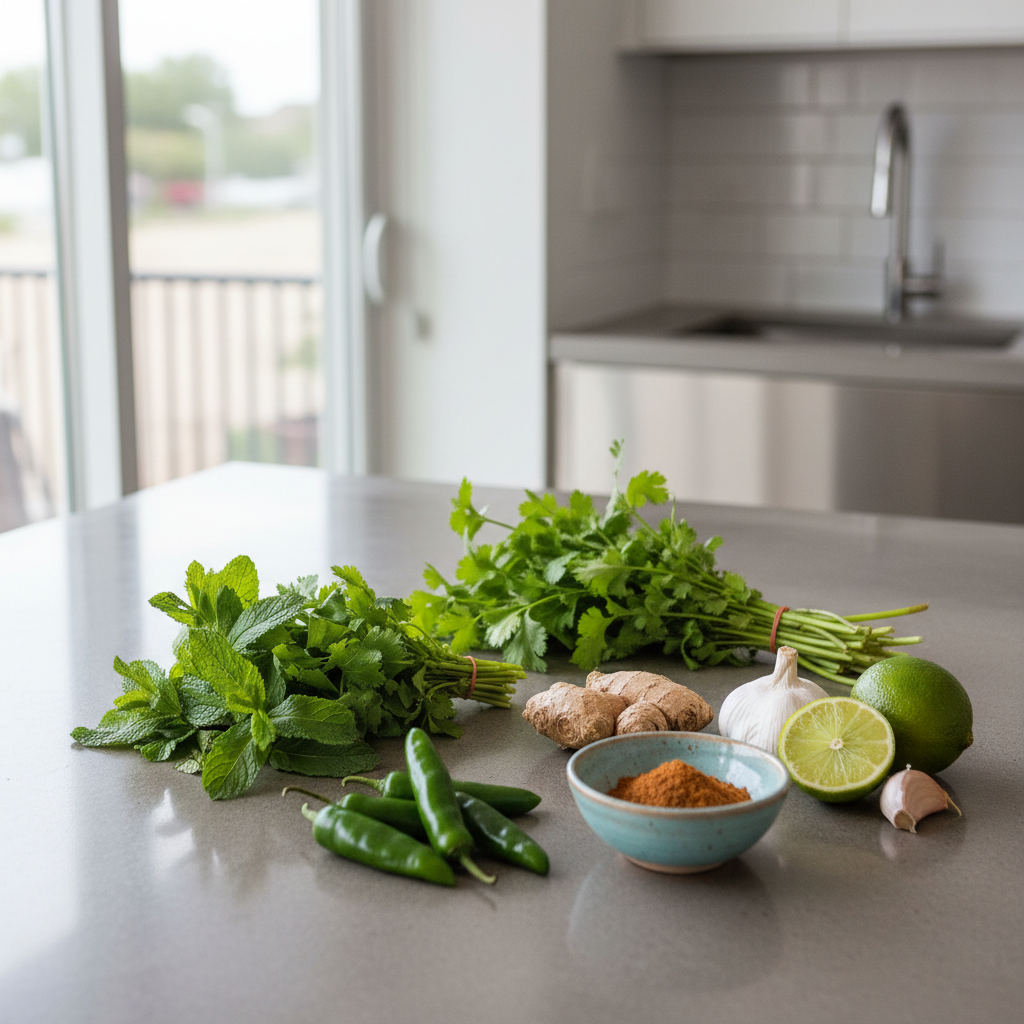
This guide walks you through a reliable method, a quick troubleshooting checklist, and a few variations Americans typically like, from a yogurt-mint dip vibe to a brighter, street-food style green chutney for tacos, kebabs, sandwiches, and bowls.
What Mint Coriander Chutney Is (and Why It Goes Wrong)
Mint-coriander chutney is a blended herb sauce, usually built on cilantro (coriander leaves), mint, green chili, and an acid like lime or lemon. It should taste fresh, green, and punchy, not grassy or bitter.
When it goes wrong, it’s often one of these real-world issues:
- Too many tough cilantro stems, the blend tastes fibrous and slightly bitter.
- Old mint with black spots or limp leaves, it reads “muddy” even if your salt is right.
- Acid added too late, the herbs oxidize faster and lose that bright edge.
- Over-blending with heat, especially in a small blender, which can dull flavor and darken color.
- Wrong balance, too much mint can feel medicinal, too much cilantro can taste soapy for some people.
One more thing people underestimate, water. If you thin it with plain water, the flavor spreads out and you keep chasing it with more salt and chili, which can make the chutney feel harsh.
Ingredients and Ratios That Usually Work
Below is a baseline batch that tastes “classic” but still friendly for a U.S. palate. You can scale it up easily.
Core ingredients (about 1 to 1 1/4 cups)
- Cilantro: 2 packed cups leaves and tender stems
- Mint: 1 packed cup leaves (aim for mostly leaves, fewer stems)
- Green chili: 1–2 (jalapeño or serrano), seeded if you want mild
- Ginger: 1-inch piece, roughly chopped
- Garlic: 1 small clove (optional, but it helps savory dishes)
- Lime or lemon juice: 1 1/2–2 tablespoons
- Salt: 1/2 teaspoon, then adjust
- Roasted ground cumin: 1/2 teaspoon (or toasted cumin seeds)
- Water or ice: 2–4 tablespoons, only as needed
Key point: if you want the chutney to stay bright, start with less liquid and add it gradually. You can always thin later, but you can’t un-water a chutney without muting it.
Quick ratio table (use as a cheat sheet)
| Flavor goal | Herb ratio (cilantro:mint) | Acid | Notes |
|---|---|---|---|
| Classic all-purpose | 2:1 | 1.5–2 Tbsp | Balanced, works for sandwiches and grilled meats |
| More “minty” and cooling | 1.5:1 | 2 Tbsp | Great with spicy foods, watch mint stems |
| Cilantro-forward | 3:1 | 1–1.5 Tbsp | Brighter herb taste, less medicinal |
| Yogurt-style dip | 2:1 | 1 Tbsp | Add yogurt after blending, salt carefully |
How to Make Mint Coriander Chutney (Step-by-Step)
How to make chutney mint coriander is easier when you treat it like a flavor concentrate, blend thick, taste, then loosen it to your final texture.
Step 1: Wash, dry, and trim smart
- Rinse herbs well, then shake and pat dry. Extra water can dilute and flatten flavor.
- Trim off thick cilantro stems. Tender stems are fine, but thicker ones can push bitterness.
- Pick mint leaves off the thickest stems, especially if the mint is mature.
Step 2: Build the blender jar in the right order
- Add lime or lemon juice first (it helps protect color).
- Add ginger, garlic, chili, salt, and cumin.
- Pack in cilantro and mint.
- Add 2 tablespoons cold water or a few ice cubes.
Step 3: Blend in short bursts, scrape, then finish
- Pulse 6–10 times to break herbs down.
- Scrape sides, then blend to your preferred smoothness.
- If it won’t move, add 1 tablespoon water at a time.
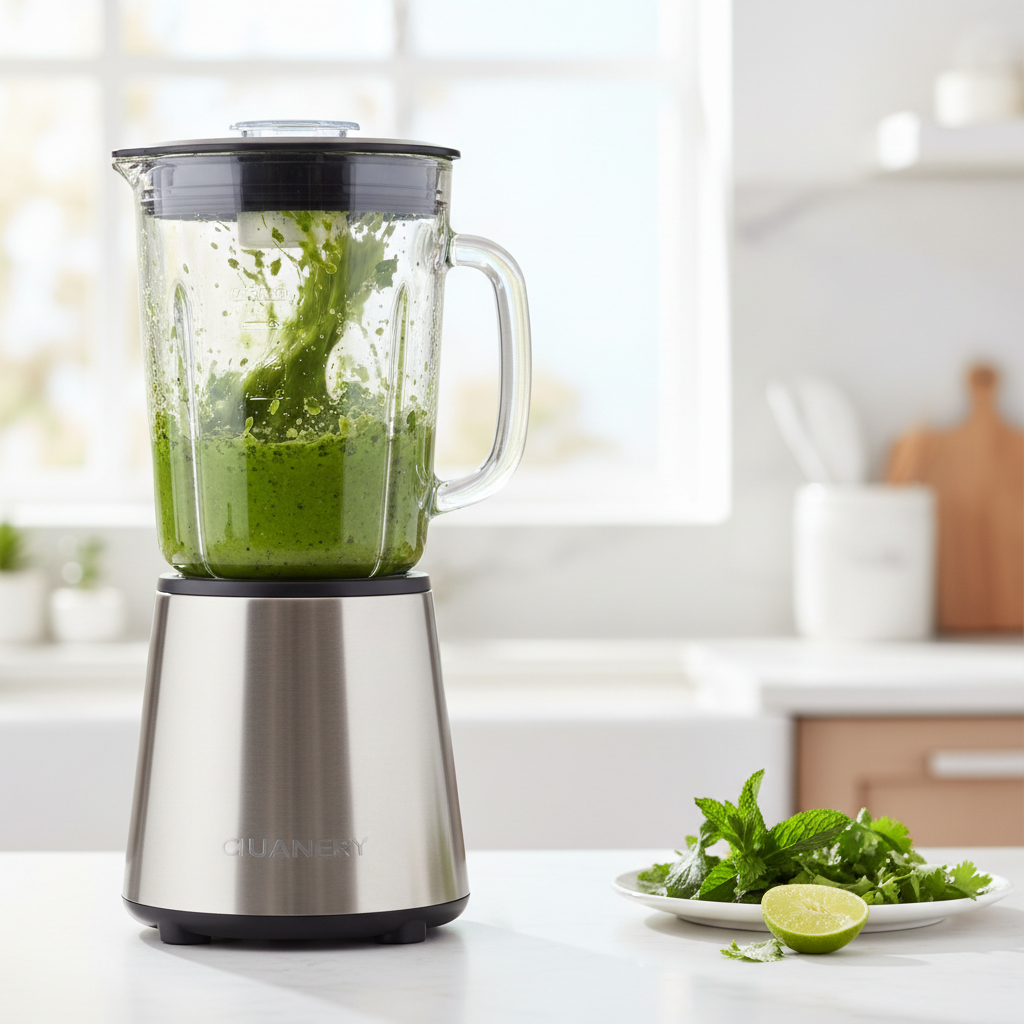
Stop once it tastes fresh and looks evenly green. Over-blending can warm the mixture, and heat tends to dull herbs.
Step 4: Taste and tune (this is where it becomes “your” chutney)
- Too bitter? Add a little more lime, or a pinch of sugar, then re-check salt.
- Too sharp? Add 1–2 tablespoons yogurt or a bit more herbs.
- Not bright enough? A tiny pinch more salt often fixes it before you add more chili.
According to USDA Food Safety and Inspection Service, perishable foods should not sit out at room temperature for more than 2 hours, so if you are batch-prepping for guests, keep the chutney chilled until serving.
Quick Self-Check: Why Your Chutney Tastes “Off”
If you’re troubleshooting, don’t guess randomly. Run through this list and change one thing at a time.
- Chutney looks dark or brownish: likely oxidation, add acid earlier next time, blend in shorter bursts, keep it cold.
- Chutney tastes grassy: too much stem, or herbs not fresh, trim more stems and increase cumin slightly.
- Chutney tastes bitter: older mint, too much mint stem, or too much raw garlic, reduce garlic and add more lime.
- Chutney separates in the fridge: it happens, stir before using, or blend in a spoon of yogurt for stability.
- Chutney tastes flat: needs salt or acid, and sometimes a little roasted cumin to “round” the herbs.
Also, if cilantro tastes soapy to you, that can be a personal sensitivity. In that case, a mint-forward version with spinach as a filler leaf can be more enjoyable.
Variations Americans Tend to Love (Without Losing the Point)
Once you nail the base, you can take it in a few directions depending on what you’re eating.
1) Yogurt mint-coriander chutney (cooling dip)
- Blend the base chutney thick.
- Stir in 1/3 to 1/2 cup plain yogurt.
- Add a pinch of cumin and salt, taste again.
This one plays nicely with grilled chicken, roasted veggies, and even as a sauce for wraps. If you have dietary restrictions, choose a yogurt that fits your needs, or use a non-dairy option that tastes clean and tangy.
2) Tamarind-lime “street style” (sweet-tangy)
- Add 1–2 teaspoons tamarind concentrate or tamarind chutney.
- Add a small pinch of sugar if needed.
It’s easy to go too sweet here, so keep it subtle. The herbs should still lead.
3) Coconut green chutney (milder, thicker)
- Add 2–4 tablespoons unsweetened shredded coconut (or coconut meat).
- Increase lime slightly to keep it lively.
Great with dosa-style meals, but honestly also good with fish tacos if you like a creamy green sauce without mayo.
Practical Serving Ideas (So It Doesn’t Die in the Fridge)
You made it, it tastes good, now use it in ways that make sense for your week.
- Sandwich spread: mix 1 tablespoon chutney with mayo or Greek yogurt.
- Grain bowl drizzle: thin with a little lime and water, then spoon over rice, quinoa, or lentils.
- Marinade starter: combine with yogurt, salt, and a neutral oil for chicken or tofu.
- Snack dip: pair with veggies, chips, samosas, or roasted potatoes.
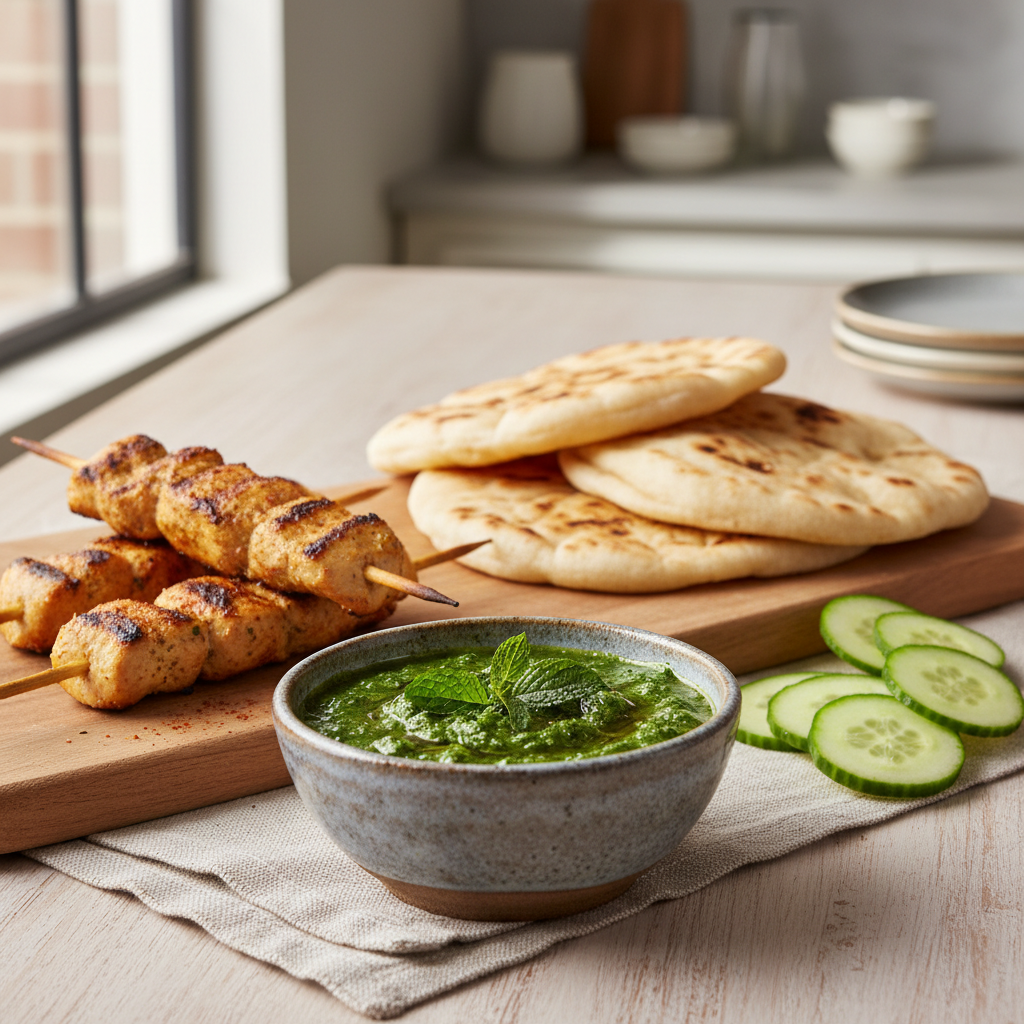
Key takeaways: keep the chutney thick until serving, add acid early, and don’t treat water like a default ingredient.
Storage, Food Safety, and Make-Ahead Tips
Fresh herb sauces are perishable. For most home kitchens, the safest approach is to refrigerate promptly and use common sense if anything smells “off.” If you have higher risk concerns, it’s worth checking with a healthcare professional for personalized guidance.
- Fridge: store in a clean, airtight jar, press plastic wrap on the surface if you want less oxidation.
- Flavor tomorrow: it may mellow overnight, so you might add a squeeze of lime before serving.
- Freeze: portion into ice cube trays, then move cubes to a freezer bag for quick meals.
According to U.S. Food & Drug Administration, refrigeration slows bacterial growth but does not stop it, so avoid keeping fresh sauces for long stretches, especially if they contain dairy.
Conclusion: A Bright Green Chutney You Can Repeat
How to make chutney mint coriander isn’t about hunting for one perfect recipe, it’s about controlling freshness, bitterness, and thickness so the herbs stay vivid and the flavor stays clean. Start with the 2:1 cilantro-to-mint ratio, add acid early, blend in short bursts, then adjust salt and lime with a calm hand.
If you try one action this week, make a small batch, freeze half in cubes, and note what you changed when you tuned it. That tiny habit makes your next batch taste intentional, not accidental.