
Roast recipes can feel deceptively simple, until dinner comes out dry, bland, or unevenly cooked. This guide keeps it practical: what to roast, how to season, what temperature to trust, and how to time sides so everything hits the table together.
If you cook for family or guests, roasting is one of the few methods that can look impressive without fancy tools, but it does punish small mistakes like skipping rest time or crowding the pan. The good news, most “roast problems” have boring fixes that work.
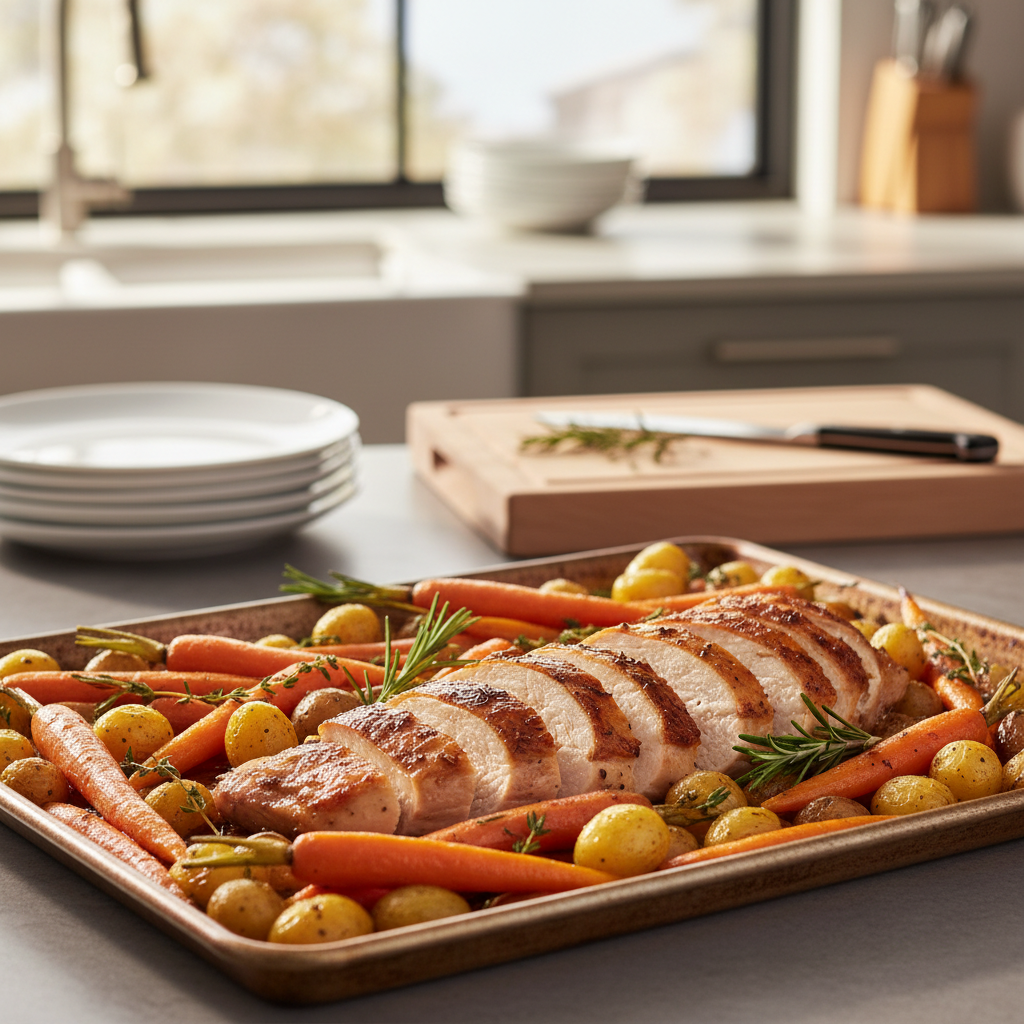
Also, “roast” doesn’t have to mean a big holiday prime rib. A tray of vegetables, a pork tenderloin, or bone-in chicken thighs can deliver that same cozy payoff, with less risk and less cost.
Pick the right roast for the night you’re having
When people search roast recipes, they usually want one of two things: a reliable centerpiece, or a low-effort dinner that still tastes like you tried. Start by matching the cut to your schedule, not your ambition.
- 30–45 minutes: salmon fillet, pork tenderloin, chicken thighs, mixed vegetables, cauliflower “steaks.”
- 60–90 minutes: whole spatchcock chicken, meatloaf-style roast, bone-in pork chops with vegetables on the same pan.
- 2–4 hours (weekend energy): chuck roast, pork shoulder, brisket-style roasts, whole turkey breast.
For weeknights, look for forgiving cuts with some fat: thighs over breasts, chuck over lean round. Lean roasts can still work, but they require tighter temperature control and usually benefit from a sauce.
Why roasts go wrong (and what’s usually to blame)
Most roast disappointments come from a handful of repeat errors. Fixing them often matters more than changing the recipe.
- Overcooking while “waiting for color”: browning happens faster at higher heat, but the inside may already be past ideal.
- No dry surface: wet meat steams, it doesn’t roast. Pat dry, salt, then give it a few minutes uncovered.
- Crowded pan: packed ingredients trap moisture. Use a bigger pan or split into two.
- Seasoning only the top: salt needs coverage. For thicker cuts, season all sides; for poultry, season under skin if possible.
- Skipping rest time: carving too soon lets juices run out, the slices look dry even if you cooked it right.
According to USDA Food Safety and Inspection Service (USDA FSIS), a food thermometer is the most reliable way to know when meat is safely cooked. If you roast often, this one tool saves more dinners than any “secret” ingredient.
A quick self-check before you start (saves real time)
Before the oven even preheats, run this short checklist. It’s the difference between “effortless” and “why is everything taking forever.”
- Do I have a thermometer or a clear doneness plan?
- Is the protein dry on the surface and evenly seasoned?
- Is the pan large enough to leave space between pieces?
- Do I know when I’ll add vegetables so they don’t overcook?
- Is there a rest window (5–20 minutes) built into serving time?
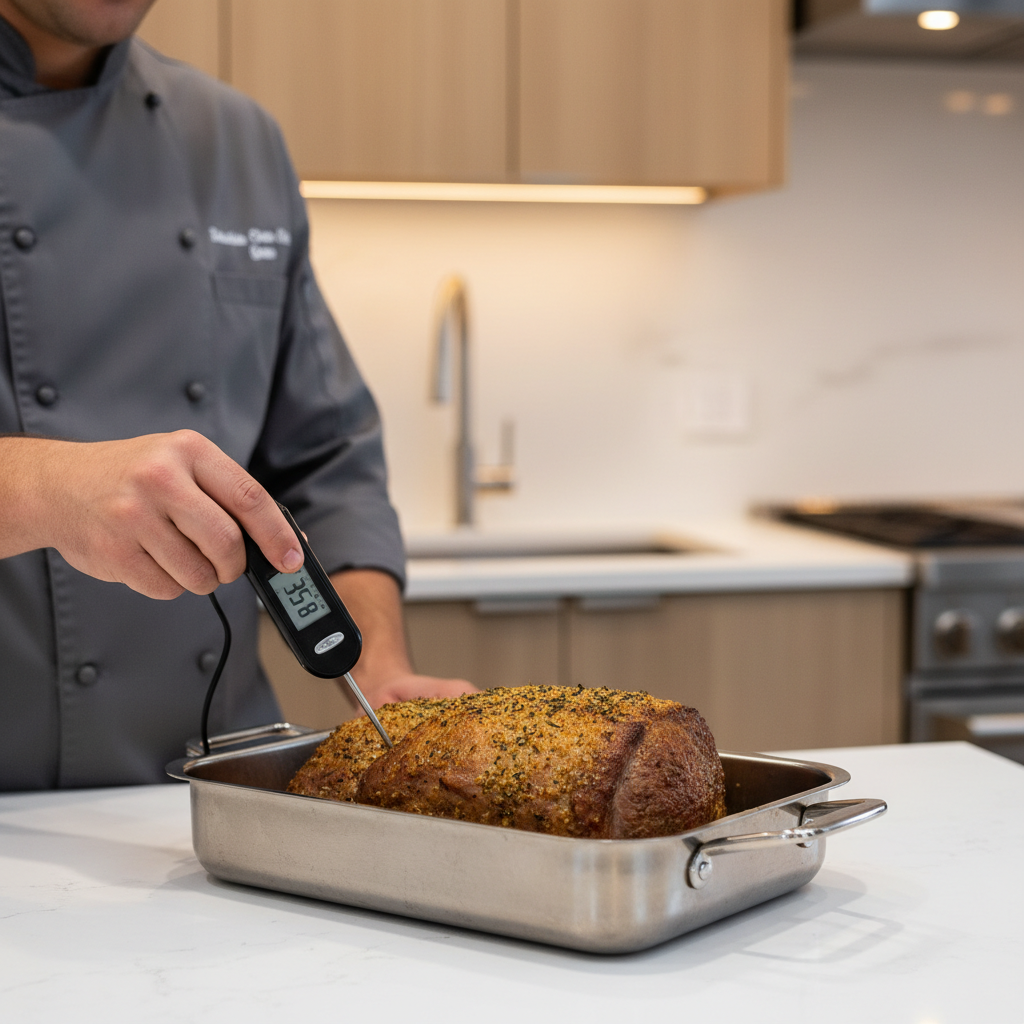
If you’re missing two or more items above, choose simpler roast recipes that are more forgiving, like chicken thighs or a vegetable-forward sheet pan dinner with sausage.
Core method: a simple roast framework you can reuse
This is the repeatable pattern behind many great roast recipes. You can swap proteins and seasonings without reinventing dinner each time.
1) Preheat with intention
Most home ovens run a little off, so preheating “until the beep” isn’t always enough. Give it an extra 10 minutes if you can, especially for high-heat roasting where browning matters.
2) Season early when possible
Even 20–30 minutes of salted resting time improves flavor and surface browning. If you can’t, season right before roasting and consider finishing with a sauce or pan juices.
3) Use heat in two phases
- Option A (easy): Roast at 425°F most of the way for color and speed.
- Option B (more control): Start at 450°F for 10–15 minutes, then drop to 350–375°F to finish evenly.
Option B is useful for thicker cuts where you want a browned exterior but a gentler finish.
4) Rest, then slice against the grain
Resting isn’t a chef flex, it’s physics. Give small cuts 5–10 minutes, larger roasts 15–30 minutes. Slice across the grain for tenderness, especially beef.
5 dinner-ready roast recipes (with timing you can trust)
Below are five roast recipes designed for dinner, not for perfectionist weekends. Times are starting points; ovens and thickness vary, so treat internal temperature as the final call.
| Recipe | Oven Temp | Estimated Time | Best With |
|---|---|---|---|
| Sheet Pan Chicken Thighs + Carrots | 425°F | 35–45 min | Rice, salad, lemon-yogurt sauce |
| Roasted Salmon + Asparagus | 425°F | 12–18 min | Couscous, potatoes, dill sauce |
| Pork Tenderloin + Roasted Apples | 425°F then 375°F | 25–35 min | Green beans, mustard pan sauce |
| Garlic-Rosemary Roast Vegetables | 425°F | 25–40 min | Sausage, chickpeas, tahini drizzle |
| Cozy Chuck Roast (Dutch oven) | 300–325°F | 3–4 hours | Mashed potatoes, crusty bread |
1) Sheet Pan Chicken Thighs with Lemon and Garlic
- Seasoning: salt, pepper, garlic, lemon zest, a little paprika, olive oil.
- Method: Roast thighs skin-side up, add carrots or broccoli after 10–15 minutes if they’re quick-cooking.
- Finish: squeeze lemon after roasting, rest 5–10 minutes before serving.
This is one of those roast recipes that stays juicy even when you’re distracted by homework or emails.
2) Roasted Salmon with Dijon-Herb Crust
- Seasoning: Dijon, chopped parsley or dill, lemon, a little honey, salt.
- Method: Roast on a lined pan; add asparagus tossed with oil and salt alongside.
- Tip: Pull early and let carryover finish the center.
If you’re aiming for “healthy-ish,” this is the least fussy path, but you still want to avoid overcooking.
3) Pork Tenderloin with Roasted Apples and Onions
- Seasoning: salt, pepper, sage or thyme, a touch of brown sugar, mustard.
- Method: Sear first if you have time, then roast; add apples/onions around the tenderloin for the last 20 minutes.
- Finish: deglaze pan with a splash of broth for quick sauce.
4) Garlic-Rosemary Roasted Vegetables (the “make it a meal” tray)
- Best mix: potatoes + red onion + Brussels sprouts + carrots.
- Method: cut to similar size, toss with oil, salt, pepper, chopped rosemary; roast, flipping once.
- Make it dinner: add sausage coins or drained chickpeas halfway through.
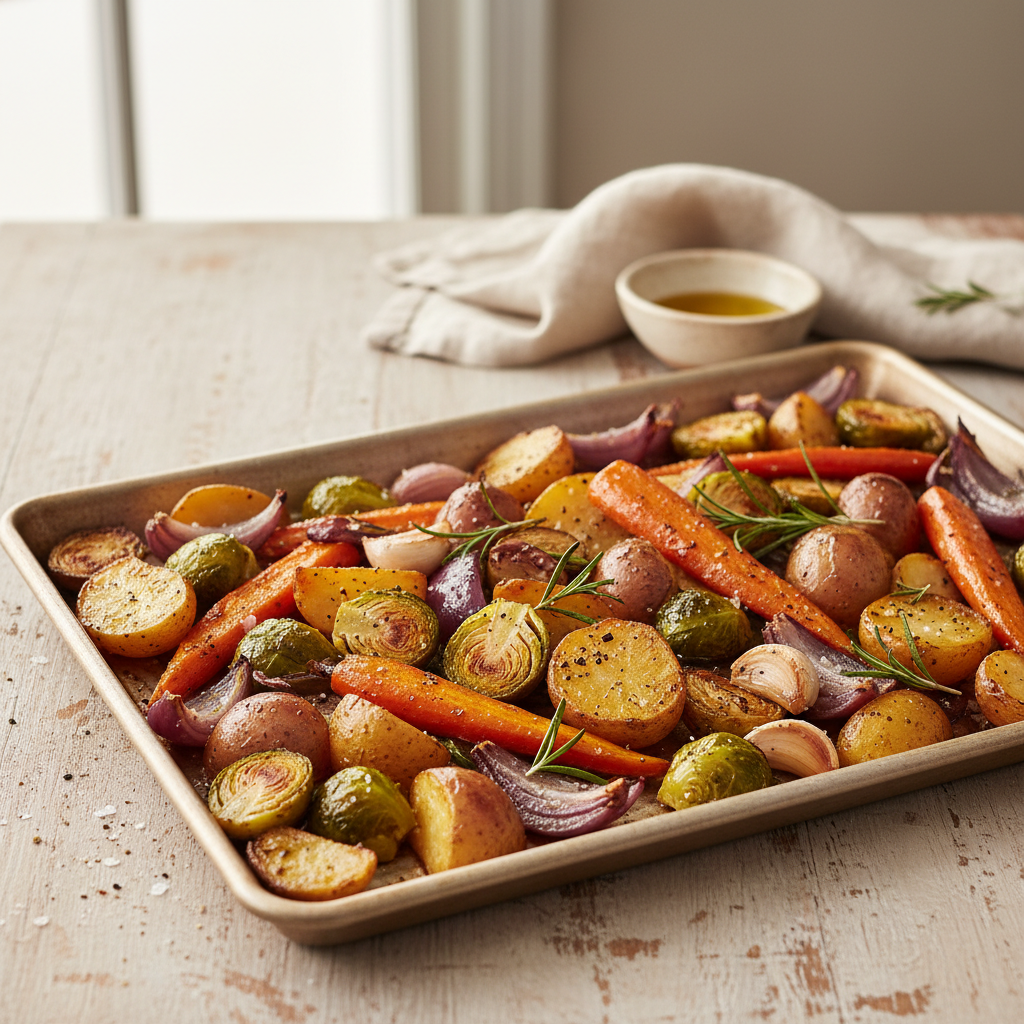
When people say they “need more roast recipes,” sometimes they really need a dependable vegetable tray they can pair with anything.
5) Dutch Oven Chuck Roast with Onions and Carrots
- Seasoning: salt, pepper, tomato paste, bay leaf, thyme.
- Method: Brown roast, add onions, a little broth, cover and slow-roast until fork-tender.
- Finish: uncover for the last 20–30 minutes to thicken the liquid.
For safety, follow internal temperature guidance and handling basics. According to USDA FSIS, keeping hot foods hot and using a thermometer are key steps to reduce foodborne illness risk.
Practical timing: how to get the roast and sides done together
The most annoying part of dinner roasting is when the main is resting but the sides still need 25 minutes. A simple schedule keeps your kitchen calmer.
- Long cook items first: potatoes, carrots, whole onions.
- Fast cook items later: asparagus, broccoli, green beans, fish.
- Use resting time: finish salad, warm bread, reduce pan juices into sauce.
If you’re working with one oven rack, don’t be afraid to roast vegetables on a separate pan and rotate once. Crowding to “save dishes” often costs you texture.
Common mistakes that quietly ruin roast recipes
- Using a glass dish at high heat: many glass pans can brown poorly and may not be ideal for very high temps; check manufacturer guidance.
- Cutting vegetables too small: they can burn before the roast finishes, then you chase the problem with foil.
- Relying on time alone: weight matters less than thickness and starting temperature.
- Too much sugar in the rub: it can scorch at 425–450°F; save sweet glazes for the end.
Key takeaway: the combination of space on the pan, dry surfaces, and temperature checks solves more issues than changing ingredients.
When it’s worth asking for extra help
If you’re cooking for someone who is pregnant, immunocompromised, or has specific medical dietary needs, it’s smart to be conservative with doneness and food handling. For personalized guidance, you may want to consult a qualified professional, especially if you’re unsure about safe internal temperatures or cross-contamination risks.
And if roasts keep coming out uneven even with a thermometer, your oven might run hot or cool. An inexpensive oven thermometer can clarify what’s really happening.
Conclusion: make roasting feel easy again
Good roast recipes are less about secret tricks and more about repeating a few reliable moves: pick forgiving cuts, keep the pan uncrowded, season with intention, and trust temperature over guesswork. If you want one action step, choose a single sheet-pan roast dinner this week, then repeat it with one seasoning change next week, you’ll build confidence fast.
If you’re short on time, put chicken thighs and vegetables on a tray at 425°F, set a timer, and commit to resting before slicing, it’s a small habit that pays off every time.
FAQ
- What are the easiest roast recipes for weeknight dinners?
Sheet-pan meals usually win: chicken thighs, sausage with vegetables, or salmon with quick-cooking greens. They’re forgiving and keep cleanup simple. - How do I keep a roast from drying out?
Don’t cook by time alone, and don’t skip rest time. Also, choose cuts with a bit more fat when possible, lean cuts dry faster and need tighter control. - Should I cover my roast with foil?
Covering traps steam, which can soften browning. It can help if the surface darkens too quickly, but many roast recipes do better uncovered most of the time. - Why do my roasted vegetables turn soggy?
Crowding is the usual culprit. Give pieces space, use enough heat, and dry vegetables after washing so they roast instead of steam. - What oven temperature is best for roasting?
Many dinners do well around 425°F for color and speed, but thicker roasts often benefit from a two-phase approach, hot start then lower finish for even doneness. - Can I prep roast dinners ahead of time?
Yes, you can chop vegetables and pre-mix seasoning, then store separately. Salting meat a few hours early often helps, but keep food safety in mind and refrigerate promptly. - Do I really need a meat thermometer?
If you cook roast recipes often, it’s one of the most practical tools you can buy. It reduces guesswork, especially with pork, poultry, and thicker cuts.
If you’re trying to build a small “repeatable” roster of roast dinners, start with one sheet-pan chicken option, one fish option, and one vegetable tray you actually like, then rotate seasonings rather than hunting for brand-new recipes every week.