
Grain bowls are one of the easiest ways to eat well without obsessing over recipes, you pick a hearty base, add protein and veggies, then finish with a sauce that makes everything taste intentional.
If your “healthy lunch” routine keeps falling apart, it’s usually not motivation, it’s friction, too many steps, bland leftovers, or meals that don’t hold up in the fridge. A solid bowl solves that because it’s flexible, forgiving, and built for batch prep.
This guide gives you a practical formula, smart ingredient swaps, and a handful of dependable combos, plus a quick table so you can build your own bowls based on what’s in your pantry.
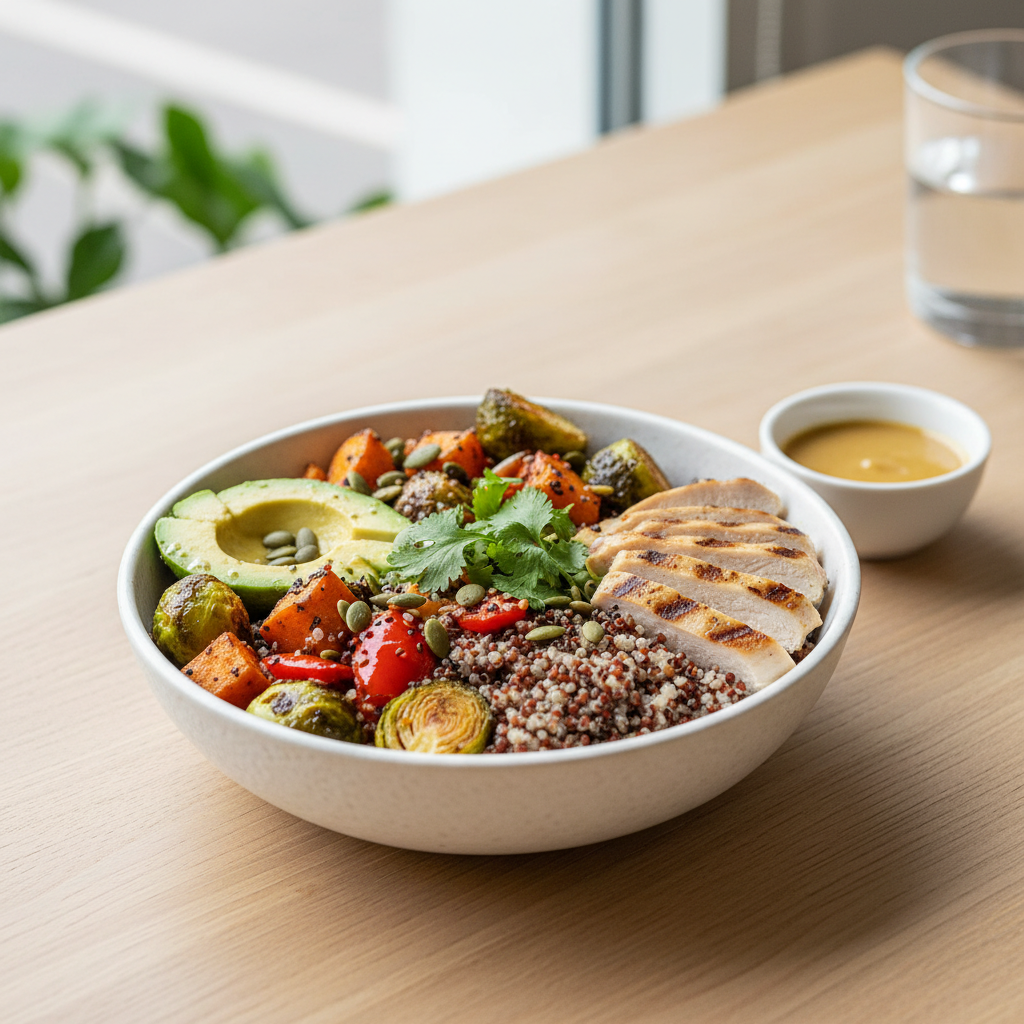
What makes a grain bowl “healthy” in real life
Healthy usually means balanced, satisfying, and something you can repeat without feeling deprived. A bowl can look virtuous and still leave you hungry an hour later if it’s mostly veggies with no protein or fat, and the opposite can happen too, it can be calorie-dense if the add-ons quietly pile up.
According to the USDA... building a balanced plate often includes vegetables, protein foods, and grains, with an emphasis on whole grains when possible. In bowl terms, that’s a base that provides energy, a protein that keeps you full, and produce that adds volume and micronutrients.
- Whole grains (brown rice, quinoa, farro, barley, oats) for fiber and staying power
- Lean or plant protein (chicken, salmon, tofu, beans, lentils, Greek yogurt sauces)
- Colorful produce (raw + roasted mix tends to keep texture interesting)
- Flavor + fat (olive oil, tahini, avocado, nuts) so it tastes like a meal, not a chore
If you manage blood sugar, sodium, or specific medical needs, bowl ingredients still work, but portioning and sauce choices matter, it can be worth checking with a registered dietitian.
Why grain bowls are so easy to mess up (and how to avoid it)
Most bowl frustration comes from a few predictable issues, and the fixes are pretty straightforward once you see the pattern.
- Too dry, plain grains plus chicken and greens needs a sauce that clings, not a watery drizzle
- Too mushy, all soft ingredients means no contrast, add crunchy veg, nuts, or pickles
- Flavor mismatch, “random leftovers” taste random, keep to one flavor direction
- Not filling, missing protein or fat, or portions too small for your day
- Doesn’t keep well, dressing added too early, delicate greens stored wrong
One simple rule: decide your sauce first, then build around it. When the dressing has a clear vibe, the rest of the bowl falls into place.
A quick self-check: what kind of bowl eater are you?
Pick the closest description, this helps you choose the right prep style and ingredients without overthinking.
- “I need lunch in 5 minutes”: rely on microwavable grains, bagged salads, rotisserie chicken, canned beans
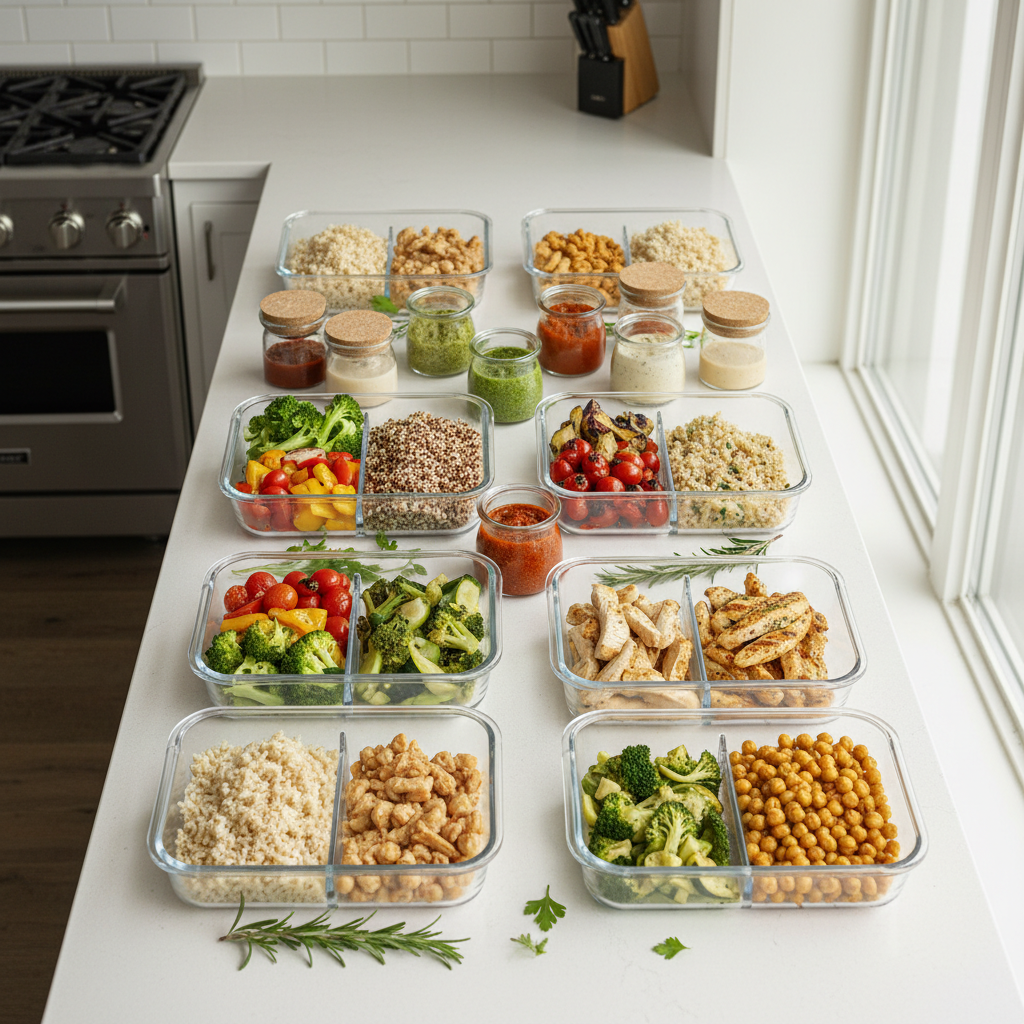
- “I can prep once, eat all week”: batch-cook grains, roast a sheet pan of vegetables, make 1–2 sauces
- “I get bored fast”: keep one base and rotate sauces and toppings, swap cuisines
- “I’m watching macros”: portion protein first, then add grains and fats with a measuring habit that feels doable
- “I’m plant-forward”: build around beans, tofu, tempeh, lentils, plus a bold dressing for satisfaction
The mix-and-match formula (with a build-your-own table)
When you want dependable grain bowls, a simple structure beats collecting dozens of recipes. Use this as a template, then improvise based on what you already have.
Core formula
- 1 grain (about 3/4–1 cup cooked, adjust to appetite and goals)
- 1 protein (roughly a palm-size portion, or 3/4–1 cup beans)
- 2 vegetables (one roasted or sautéed, one fresh or pickled)
- 1 sauce (2–4 tablespoons, thicker sauces go farther)
- 1 texture topper (nuts, seeds, crunchy veg, croutons, tortilla strips)
Build-your-own grain bowl table
| Choose a base | Add a protein | Add veg + extras | Finish with a sauce |
|---|---|---|---|
| Quinoa, brown rice, farro, barley, bulgur, oats | Chicken, turkey, salmon, shrimp, tofu, tempeh, eggs, lentils, chickpeas | Roasted sweet potato, broccoli, peppers, spinach, cucumbers, tomatoes, pickled onions, kimchi | Tahini-lemon, pesto yogurt, salsa-lime, peanut-ginger, miso-sesame, chimichurri |
Key takeaway: if you keep 2 grains, 2 proteins, 2 sauces in rotation, you can create a lot of variety with minimal shopping.
Healthy grain bowl recipes you can actually repeat
These combos are intentionally realistic, they use supermarket staples and don’t require specialty prep. Adjust spice and portion sizes to fit your needs.
1) Lemon-tahini chickpea bowl
- Base: quinoa
- Protein: chickpeas, tossed with cumin and smoked paprika
- Veg: chopped cucumber, roasted cauliflower
- Sauce: tahini + lemon + garlic + water to thin
- Topper: chopped parsley, toasted sesame
2) Salmon + brown rice “weeknight” bowl
- Base: brown rice
- Protein: baked salmon or canned salmon if time is tight
- Veg: quick sautéed spinach, cherry tomatoes
- Sauce: Greek yogurt + dill + lemon zest
- Topper: capers or sliced pickles for punch
3) Southwest turkey taco bowl
- Base: farro or brown rice
- Protein: ground turkey with taco seasoning
- Veg: corn, romaine, pico de gallo
- Sauce: salsa + lime, add a small spoon of Greek yogurt if you want creaminess
- Topper: crushed tortilla chips, cilantro
4) Crunchy tofu peanut-ginger bowl
- Base: barley or quinoa
- Protein: baked or air-fried tofu cubes
- Veg: shredded carrots, cucumber, edamame
- Sauce: peanut butter + soy sauce + rice vinegar + ginger
- Topper: chopped peanuts, scallions
5) Mediterranean “clean out the fridge” bowl
- Base: bulgur or farro
- Protein: grilled chicken, or white beans
- Veg: roasted zucchini, mixed greens
- Sauce: olive oil + red wine vinegar + oregano, or store-bought Greek dressing
- Topper: feta, olives, toasted pine nuts
Practical prep: how to make grain bowls fast all week
Meal prep does not need to be a Sunday project, but it does need a plan. A small amount of prep done consistently beats an ambitious session you never repeat.
- Cook 1–2 grains and cool them quickly, then store in airtight containers
- Roast one sheet pan of vegetables, use higher heat so they caramelize instead of steaming
- Make one “bold” sauce and one “neutral” sauce, bold helps when ingredients are plain
- Keep crunchy items separate so they stay crunchy, same for dressings
- Use shortcuts on purpose, frozen veg, pre-cut slaw, rotisserie chicken, microwavable grains
According to the FDA... leftover safety and storage matters, many cooked foods should be refrigerated promptly and used within a reasonable time window. If you have questions about storage times for specific foods, check FDA food safety guidance or ask a food safety professional.
Common mistakes and how to fix them
Most “I tried grain bowls and got tired of them” complaints are fixable with one tweak.
- It tastes bland: add acid and salt in the sauce, lemon juice, vinegar, pickles, capers, kimchi
- It’s too heavy: reduce grain portion a bit and increase vegetables, keep sauce but measure it
- It falls apart at work: pack in layers, sauce in a small container, greens on top
- Too expensive: use beans, eggs, canned fish, and seasonal produce, reserve pricier proteins for dinner
- You’re hungry later: add protein or healthy fat, or swap to a higher-fiber grain like barley
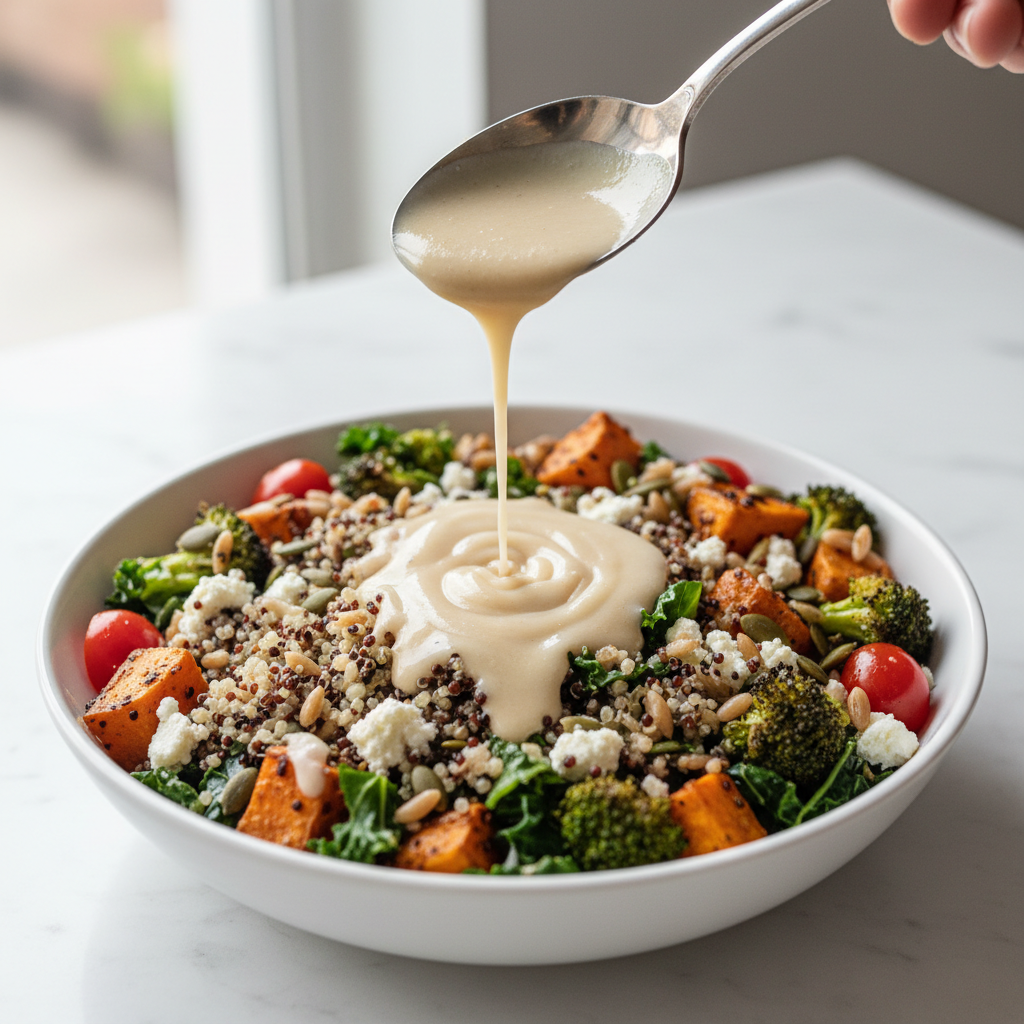
Small truth: sauces are where bowls win or lose. Even a simple yogurt-lemon dressing can make leftovers feel fresh.
When it makes sense to get personalized help
If you have kidney disease, diabetes, food allergies, GI issues, or you’re managing cholesterol or blood pressure with medication, “healthy” has more rules than a blog post should pretend to cover. In those cases, it’s smart to bring your usual bowl ingredients to a registered dietitian or your clinician and ask for a version that fits your targets.
Also, if you notice fatigue, dizziness, or unintended weight changes after changing how you eat, it’s worth checking in with a professional, sometimes the issue is total intake or nutrient balance, not willpower.
Conclusion: your next bowl should be boring to plan, not boring to eat
If you want grain bowls to stick, aim for a repeatable system, one or two grains, a couple proteins, a weekly veggie roast, and a sauce you actually look forward to. Pick one recipe above, shop once, and build it twice this week, that’s usually enough to prove the concept.
Action ideas: choose one “default lunch bowl” for busy days, then keep one fun sauce on deck so you don’t get bored.
FAQ
- What are the best grains for grain bowls?
Quinoa, brown rice, farro, and barley are common because they reheat well and stay pleasantly chewy, but the best option is the one you’ll actually keep stocked. - Are grain bowls good for weight loss?
They can be, mainly because you can control portions and build in protein and fiber, but sauces, cheese, and toppings add up fast, so measuring for a week can help you learn your “right” amount. - How do I meal prep grain bowls without soggy greens?
Store greens separately or place them on top, keep dressing in a small container, and use sturdier greens like kale or cabbage when you know a bowl will sit for a day or two. - What’s a high-protein grain bowl idea without meat?
Try quinoa plus roasted tofu or tempeh, edamame, and a peanut-ginger sauce, you can also add lentils or Greek yogurt-based dressings for another protein bump. - How long do cooked grains last in the fridge?
It varies by food and fridge conditions, so use reputable food safety guidance, but many people plan to use cooked grains within a few days and reheat until steaming hot. - Can I use frozen vegetables in a healthy grain bowl?
Yes, frozen veg is often practical and consistent, roast or sauté them to remove excess moisture so your bowl keeps texture. - What sauce works when I’m trying to cut added sugar?
Tahini-lemon, olive oil and vinegar, salsa and lime, or a yogurt-herb sauce tend to be lower in added sugar, but check labels since bottled sauces vary a lot.
If you’re building bowls for a busy week and want a more “plug-and-play” approach, it can help to set up a simple rotation, two bases, two proteins, two sauces, then shop from that list so decisions don’t pile up at lunchtime.