
Low sugar recipes don’t have to taste like “diet food”, but they do require a slightly different playbook than simply removing sugar and hoping for the best. If your bakes turn dry, your sauces taste flat, or you end up snacking more later, it’s usually because sweetness was doing more than one job.
What makes this worth caring about is pretty practical: added sugars show up in the most ordinary places, breakfast bowls, salad dressings, “healthy” smoothies, even your go-to pasta sauce. Cutting back can support steadier energy and fewer cravings for many people, but the real win is learning how to cook so you don’t feel deprived.
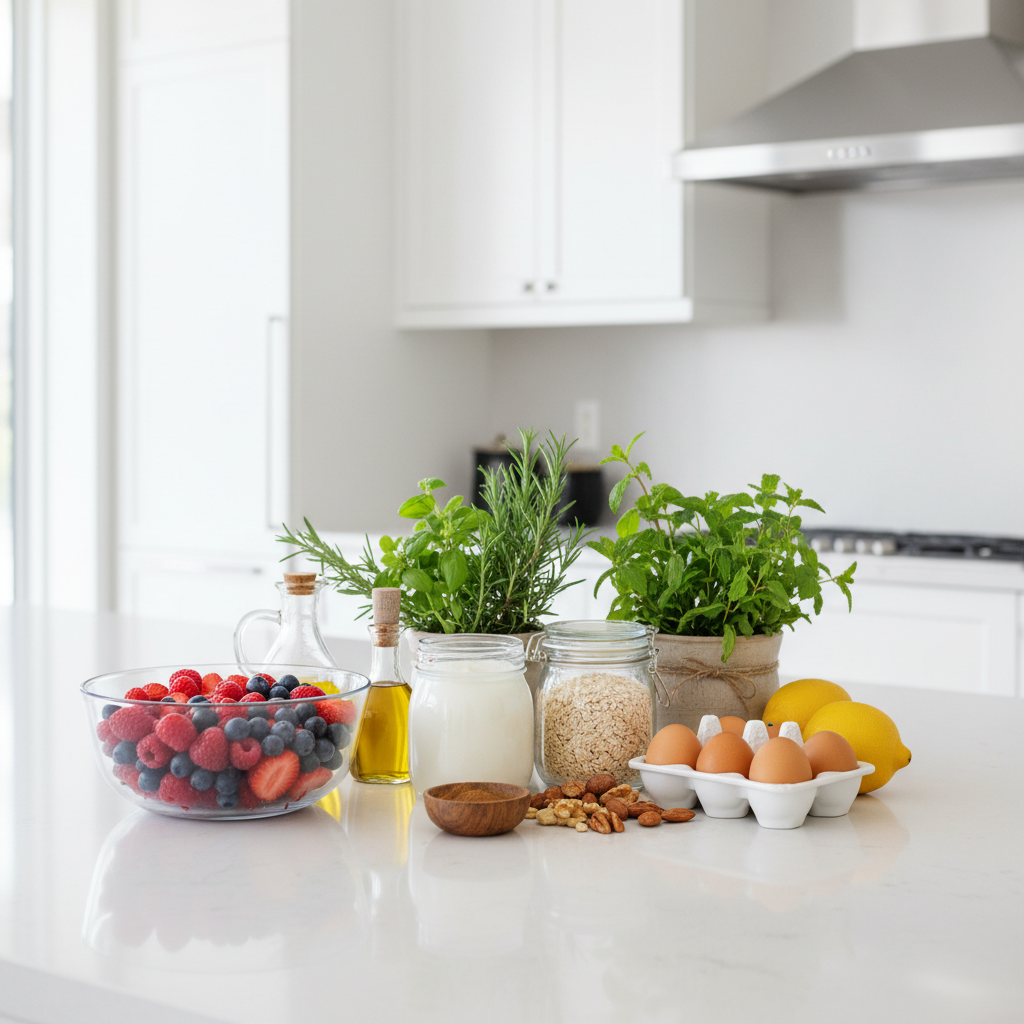
This guide focuses on flavor-first strategies, not perfection. You’ll get a quick self-check, reliable swaps, and a set of recipes and templates you can reuse. Health-wise, individual needs vary, especially for diabetes, pregnancy, or kidney issues, so consider checking with a registered dietitian or clinician if you’re unsure where your targets should land.
Why “just use less sugar” often backfires
In real kitchens, sugar isn’t only sweetness. It also affects texture, moisture, browning, and even how we perceive acidity and bitterness. When you cut it without adjusting anything else, the recipe can feel off.
- Texture changes: Sugar helps tenderize baked goods and retain moisture, so reducing it can make muffins or quick breads feel dry.
- Flavor balance shifts: Less sweetness can make citrus, cocoa, coffee, and tomatoes taste sharper, which is why sauces may seem “too acidic.”
- Cravings creep in: If a snack becomes unsatisfying, people often compensate later with more grazing.
- Hidden sugar stays hidden: You might cut dessert but keep sweetened yogurt, granola, bottled drinks, or condiments.
According to the Dietary Guidelines for Americans, limiting added sugars is recommended as part of an overall healthy eating pattern. Translating that into everyday meals usually works best when you swap techniques, not only ingredients.
Quick self-check: are you aiming for “low sugar” or “no added sugar”?
People use the phrase differently, and it matters for which recipes will feel realistic. Use this quick checklist to label your goal for the next 2–4 weeks.
- You likely want “lower added sugar” if you still enjoy a lightly sweet breakfast, bake occasionally, and mainly want fewer sugar spikes from drinks and snacks.
- You may prefer “no added sugar” recipes if you’re managing a medical condition, you notice strong cravings, or you do better with clear rules.
- You might need a professional target if you use insulin or glucose-lowering meds, have a history of disordered eating, or your energy crashes feel extreme.
One more reality check: fruit contains natural sugars, and that’s not automatically “bad.” Many low sugar recipes lean on fruit for sweetness because it also brings fiber, water, and flavor.
Smart swaps that keep flavor (and don’t feel like punishment)
If you want food that tastes normal, focus on three levers: sweetness, richness, and aroma. Here’s a practical swap table you can use while cooking.
Ingredient swap table (everyday cooking)
| When a recipe uses… | Try swapping to… | Why it helps |
|---|---|---|
| Sweetened yogurt | Plain Greek yogurt + berries + cinnamon | Protein and spice make it feel satisfying with less sweetness |
| Sugary cereal/granola | Rolled oats + chopped nuts + unsweetened coconut | Crunch and fat reduce the “need” for sugar |
| Bottled salad dressing | Olive oil + lemon + Dijon + herbs | Acid and mustard add brightness without added sugar |
| Sweetened coffee creamer | Half-and-half or milk + vanilla + pinch of salt | Vanilla and salt increase perceived sweetness |
| BBQ sauce/ketchup-heavy glaze | Tomato paste + spices + vinegar + a little fruit puree | Builds body and sweetness with less added sugar |
| White sugar in baking | Reduce 25–35% + add applesauce or Greek yogurt | Moisture support so the bake doesn’t turn dry |
Key point: for baking, reducing sugar is usually easier than replacing it 1:1 with alternative sweeteners. Many sugar substitutes behave differently with heat, browning, and aftertaste, so start with partial reductions.
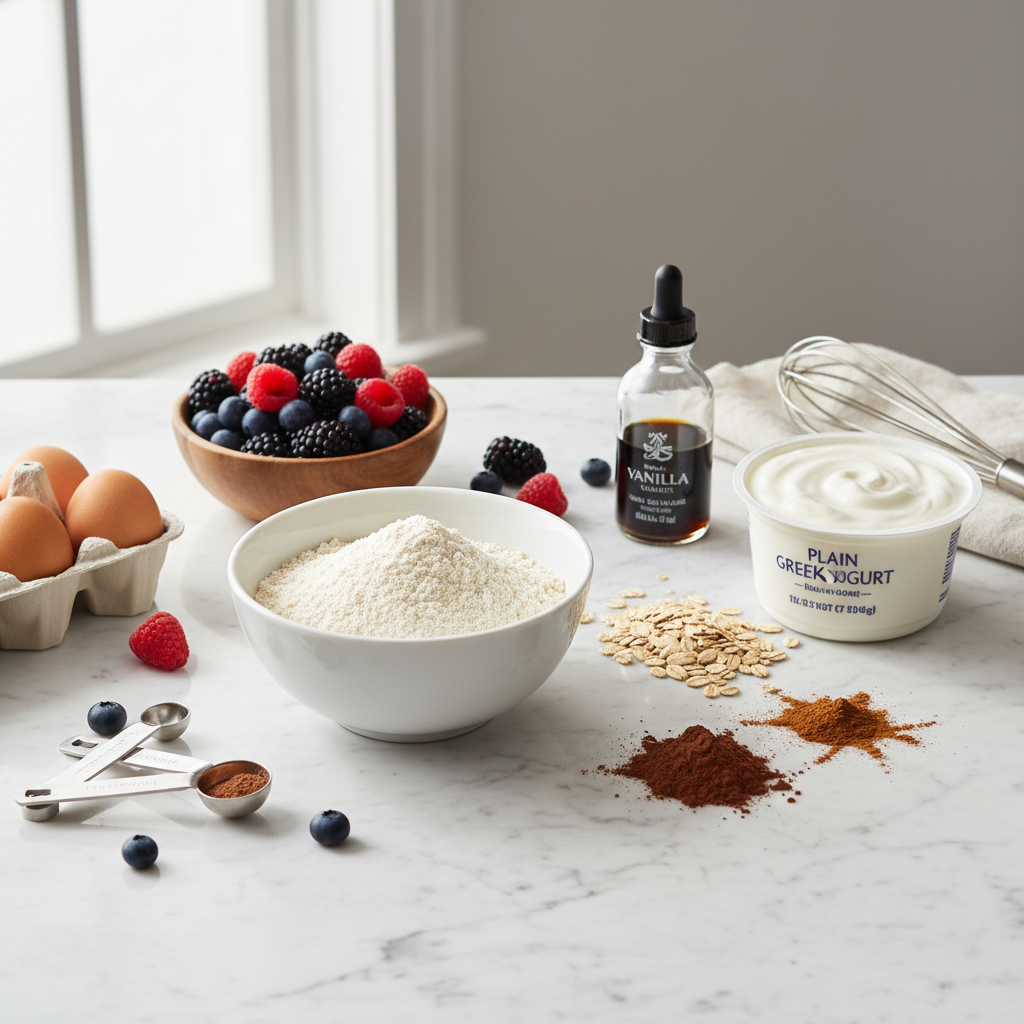
7 low sugar recipes you can rotate all week
These are written as flexible templates, because most people don’t need 30 complicated recipes, they need 7 that actually get repeated. Adjust salt and spices to taste.
1) Cinnamon-Berry Greek Yogurt Bowl (5 minutes)
- Mix: plain Greek yogurt, cinnamon, vanilla extract.
- Top: berries, chopped walnuts or pecans, chia seeds.
- Tip: a pinch of salt makes it taste sweeter without adding sugar.
2) Veggie Egg Muffins (make-ahead breakfast)
- Whisk: eggs, salt, pepper, smoked paprika.
- Add: chopped spinach, bell pepper, onion, a little cheddar.
- Bake: until set, then refrigerate for quick mornings.
3) Lemon-Dijon Chicken Salad (no-sugar dressing)
- Dressing: olive oil, lemon juice, Dijon, garlic, black pepper.
- Build: greens, cucumber, avocado, chicken, herbs.
- Why it works: fat + acid makes flavor pop, so you don’t miss sweetness.
4) “Better-than-takeout” Turkey Lettuce Wraps
- Cook: ground turkey with ginger, garlic, scallions.
- Sauce: low-sodium soy sauce or tamari, rice vinegar, sesame oil, chili flakes.
- Finish: crunch with shredded carrots and chopped peanuts.
5) Roasted Salmon with Herb Yogurt (weeknight dinner)
- Roast: salmon with olive oil, salt, pepper, lemon slices.
- Sauce: plain yogurt, dill/parsley, lemon zest, garlic.
- Serve: with roasted broccoli or asparagus.
6) Cocoa-Chia Pudding (sweet-tooth friendly)
- Stir: chia seeds, unsweetened cocoa, milk of choice, vanilla.
- Sweetness option: mashed ripe banana or a few blended dates.
- Rest: refrigerate until thick, top with raspberries.
7) Warm Apple-Cinnamon Crumble (lower added sugar dessert)
- Fill: sliced apples, cinnamon, lemon juice.
- Topping: oats, almond flour, butter, pinch of salt, chopped nuts.
- Sweetness: keep it light, apples carry most of it.
A simple 3-step plan to stick with it (without obsessing)
This is where most people either make it easy, or burn out by trying to overhaul everything at once. Keep it boring for two weeks, then expand.
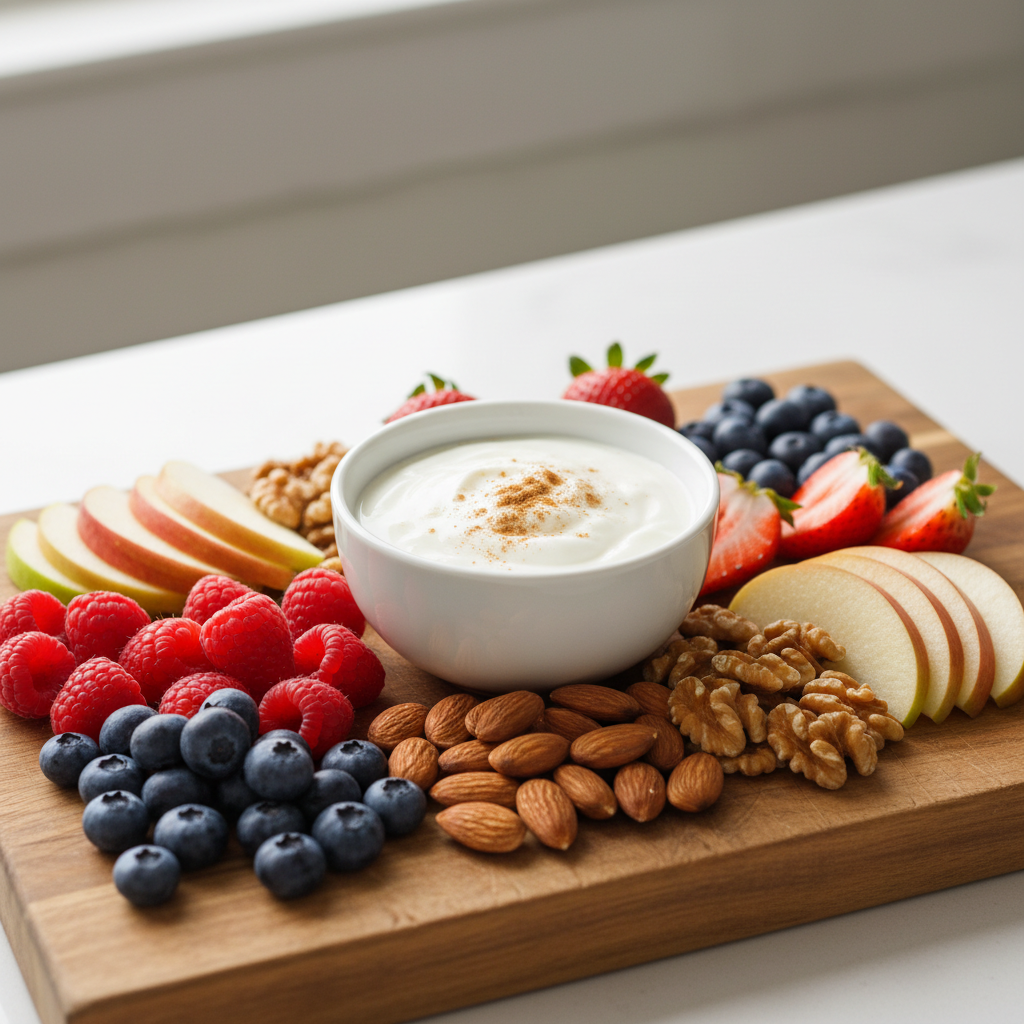
- Step 1: Pick two “sugar hotspots”. Usually drinks and snacks. Swap soda/juice for sparkling water, and sweet bars for yogurt + nuts or cheese + fruit.
- Step 2: Make one batch item. Egg muffins, chia pudding, or roasted chicken. Having something ready reduces impulse sugar grabs.
- Step 3: Add flavor boosters. Vanilla, cinnamon, citrus zest, cocoa, toasted nuts, and salt. These make low sugar recipes taste complete.
If you track anything, track behavior, not just numbers: “I drank water with lunch” or “I ate protein at breakfast.” Those habits tend to move the needle more reliably.
Common mistakes (and what to do instead)
- Mistake: Replacing sugar with “diet” products everywhere. Try: reduce sweetness gradually and use spices, citrus, and fat for satisfaction.
- Mistake: Going ultra-low sugar while skipping carbs entirely. Try: include fiber-rich carbs like oats, beans, and fruit, unless a clinician advised otherwise.
- Mistake: Assuming “natural” sweeteners don’t count. Try: treat honey, maple syrup, coconut sugar as added sugars, just different flavors.
- Mistake: Ignoring sauces and drinks. Try: start there, it’s often the easiest win.
According to the American Heart Association, focusing on reducing added sugars is a common recommendation for heart-healthy eating patterns. That doesn’t mean you can’t enjoy dessert, it usually means being more intentional about when and how.
When to get extra guidance
If you’re experimenting with low sugar recipes for health reasons and something feels off, don’t just push through. A bit of structure can prevent unnecessary stress.
- If you have diabetes or frequent hypoglycemia symptoms, medication timing and carb intake matter, a clinician or dietitian can help personalize it.
- If you’re pregnant, breastfeeding, or managing kidney disease, nutrition needs can shift, so “lower sugar” strategies should be tailored.
- If cutting sugar triggers anxiety, binge-restrict cycles, or obsessive tracking, consider speaking with a qualified mental health professional or dietitian experienced in eating behaviors.
Conclusion: keep the taste, lower the sugar, repeat
You don’t need a perfect pantry or a brand-new identity to eat with less added sugar. Keep a few reliable breakfasts, upgrade your sauces, and build desserts around fruit, yogurt, cocoa, and nuts so they still feel like treats.
If you do one thing this week, pick two recipes from the list, make them twice, and notice what actually reduces cravings for you. That feedback loop beats willpower every time.
FAQ
What counts as a “low sugar recipe” in everyday cooking?
Most people mean recipes with little to no added sugar, while still allowing naturally sweet ingredients like fruit or milk. Labels vary, so it helps to decide whether you’re reducing added sugars or total sugars overall.
Are fruit-based desserts really low sugar?
They can be, especially when fruit provides most of the sweetness and you keep added sweeteners minimal. The fiber and water in fruit often make desserts feel satisfying with less added sugar.
Can I use monk fruit or stevia in baking?
Often yes, but results depend on the product blend and the recipe. Some substitutes don’t provide the same moisture or browning as sugar, so you may need recipe-specific adjustments rather than a simple swap.
Why do my reduced-sugar muffins come out dry?
Sugar helps retain moisture. Try reducing sugar more gradually and adding moisture-support ingredients like applesauce, mashed banana, Greek yogurt, or a bit more fat, and avoid overbaking.
What are the easiest low sugar snacks that still feel filling?
Protein + fiber + fat is the usual formula: plain yogurt with berries, apple with peanut butter, cheese with grapes, nuts with a piece of fruit, or hummus with veggies.
How do I make sauces taste good without adding sugar?
Use acid and aroma: vinegar or citrus for brightness, garlic and herbs for depth, and a pinch of salt to round flavors. For tomato sauces, a little carrot or bell pepper can add sweetness without much added sugar.
Do I need to cut out sugar completely to see benefits?
Not necessarily. Many people do well with a gradual reduction in added sugars, especially from drinks and processed snacks, while keeping meals satisfying. If you have a medical reason, ask a professional what makes sense for you.
If you’re trying to make low sugar recipes work in a busy week, it often helps to build a small rotation and a shopping list you can reuse, rather than chasing new ideas every day. If you want, tell me your usual breakfast, one snack you rely on, and your favorite dessert, and I’ll suggest lower-sugar swaps that still fit your taste.