
Snack recipes for kids get tricky when you want “crunchy” without turning every snack into chips and crackers, and when you also want something that survives backpacks, car rides, and picky phases. The good news, crunchy texture is one of the easiest wins with kids, if you pair it with the right base and a simple dip or spread.
What usually goes wrong is predictable, snacks that crumble everywhere, snacks that are all starch and no staying power, or snacks that look fun but take 45 minutes to make, so nobody repeats them. This guide focuses on repeatable options, the kind you can rotate all week.
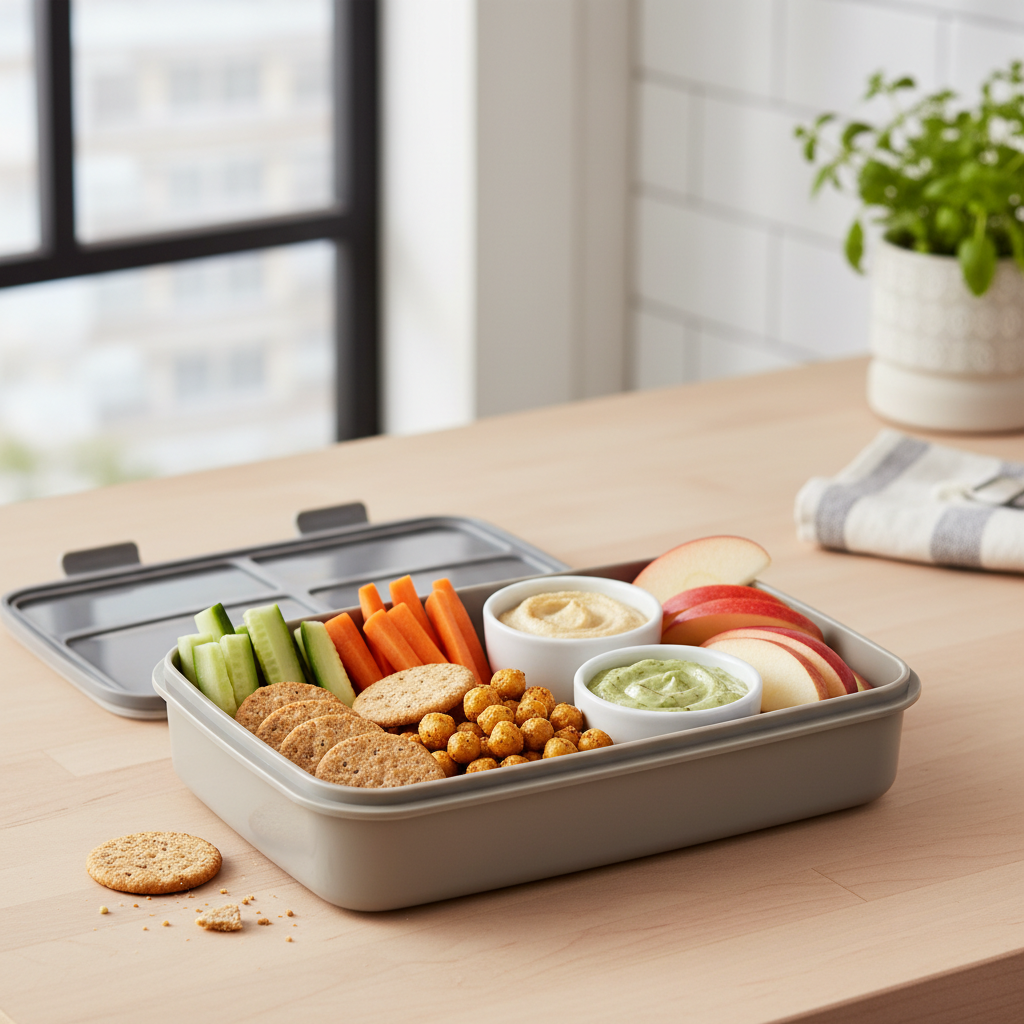
You’ll get a quick “choose-your-own-path” table, a short checklist for common kid constraints like braces or allergies, and a set of crunchy ideas that scale from toddler to tween. I’ll also flag where food safety matters, especially for younger kids.
What makes a snack “crunchy” and kid-approved
Crunch comes from a few predictable structures, dry and crisp (crackers), fibrous and fresh (apples), or roasted and brittle (chickpeas). The trick is picking a crunch type that fits your kid and your moment, and then adding a little protein or fat so it actually satisfies.
- Fresh crunch: apples, cucumbers, sugar snap peas, bell peppers, jicama, celery.
- Baked/roasted crunch: roasted chickpeas, baked tortilla triangles, toasted pita wedges.
- Cracker crunch: whole-grain crackers, pretzel twists, rice crackers, crispbread.
- “Secret” crunch add-ons: toasted seeds, crushed cereal coating, panko baked onto chicken or tofu strips.
According to the USDA, young children have a higher choking risk with some hard, round, or sticky foods, so it’s smart to adjust shapes and textures by age and talk with a pediatric professional if you’re unsure about a specific food for your child.
Quick pick table: choose the right crunchy snack recipes by situation
If you’re staring into the pantry at 3:30 p.m., this is the decision shortcut. Pick your scenario, then choose one option and add water or milk on the side.
| Situation | Best crunch type | Go-to combo | Why it works |
|---|---|---|---|
| Lunchbox (no fridge) | Cracker/roasted | Whole-grain crackers + shelf-stable hummus cup | Stays crisp, less bruising |
| After-school hungry | Fresh + dip | Apple “fries” + peanut/seed butter | Crunch plus staying power |
| Sports practice | Light crunch | Pretzels + cheese stick | Easy carbs with protein |
| Braces or sensitive teeth | Gentle crunch | Soft baked pita chips + guacamole | Crunch without “jaw workout” |
| Allergy-aware classroom | Seed/whole food | Sunflower butter + celery boats | Avoids common nut issues |
Kid constraints checklist (so you don’t waste time)
Before you pick new snack recipes, a 30-second reality check saves the week. Most “my kid won’t eat this” moments come from one of these constraints.
- Age/chewing skills: for younger kids, avoid very hard, small round items, or serve them in safer forms (halved grapes, thin slices, smashed beans).
- Allergies and school rules: many classrooms restrict peanuts/tree nuts, so keep a seed-butter plan ready.
- Orthodontics: very hard chips, nuts, and thick raw carrots can be uncomfortable, thin-slice or choose gentler crunch.
- Mess tolerance: crumbly crackers and powdered coatings might be “yes” at home, “no” in the car.
- Heat and time: if you won’t bake on a Tuesday, prioritize no-cook or batchable options.
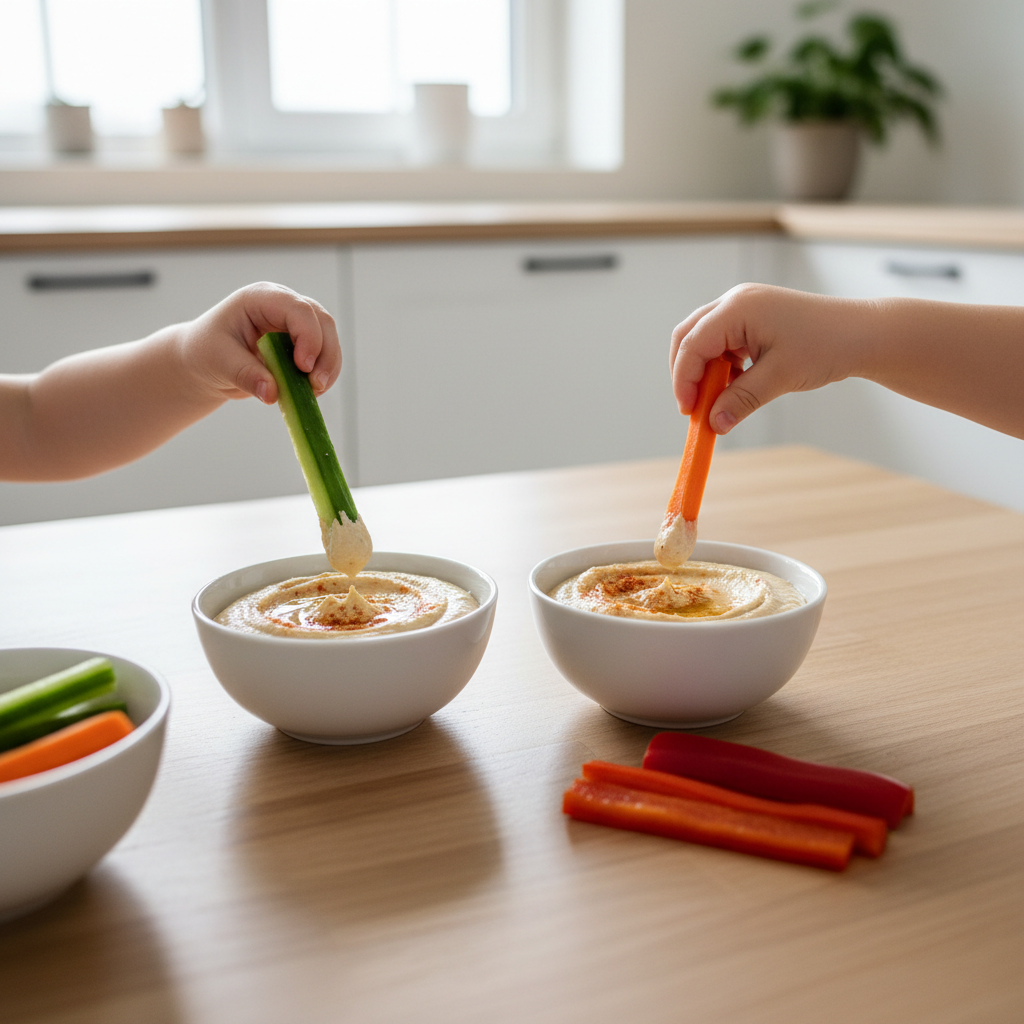
If your child has a medical condition, sensory feeding challenges, or a history of choking, it’s worth checking with a pediatrician or a pediatric dietitian before you introduce new textures. Most families won’t need that step, but it’s the right call in some situations.
Crunchy snack recipes kids can help make (5 easy favorites)
These are meant to be repeatable, not “weekend craft snacks.” Each one has a fast version and a slightly upgraded version when you have time.
1) Cinnamon apple chips (oven or air fryer)
Why kids like it: sweet smell, chip vibe, still basically fruit.
- Ingredients: apples, cinnamon, optional tiny pinch of salt.
- Method: slice very thin, lay in a single layer, cook low and slow until dry and crisp, cool fully to finish crisping.
- Make it stick: pack with a small cup of yogurt dip or a seed butter.
2) Crispy roasted chickpeas (two flavors)
Why it works: crunchy, high in fiber, easy to batch for the week.
- Ingredients: canned chickpeas, oil, salt; choose either cinnamon-sugar or mild taco seasoning.
- Method: dry chickpeas well, roast until crisp, toss with seasoning at the end so it doesn’t burn.
- Kid tip: start with lighter seasoning, you can always add more for adults.
3) “Crunch boats” (celery or mini peppers) with dip
Why it’s reliable: vegetables feel less “vegetable-y” with a filling and a crunchy topping.
- Fillings: cream cheese, hummus, sunflower butter, mashed avocado.
- Toppings: raisins, chia, crushed whole-grain cereal, everything bagel seasoning (watch sodium for younger kids).
4) Baked tortilla triangles with salsa or guac
Why parents like it: cheaper than chips, you control salt and don’t have to deep fry.
- Ingredients: corn or flour tortillas, oil spray, pinch of salt.
- Method: cut into triangles, bake until crisp, cool before packing.
- Upgrade: add a squeeze of lime or mild smoked paprika.
5) Crunchy yogurt parfait cups (yes, still crunchy)
Why it counts: the crunch comes from toppings, not a full bowl of cereal.
- Base: Greek yogurt or regular yogurt.
- Crunch: low-sugar granola, toasted oats, rice cereal, or crushed freeze-dried fruit.
- Keep it crunchy: pack topping separately and let kids pour it in.
Practical prep plan: make crunchy snacks without cooking every day
Most families don’t need more recipes, they need a rhythm. This is the simplest approach that still feels varied.
- Pick 2 batch crunches: roasted chickpeas, baked tortilla triangles, or apple chips.
- Pick 2 fresh crunches: cucumbers, snap peas, bell peppers, apples.
- Pick 2 dips/spreads: hummus, guacamole, yogurt dip, seed butter.
- Pick 1 “fun topper”: granola, toasted seeds, raisins, shredded coconut.
Then build combos, fresh crunch + dip, or batch crunch + spread, and rotate flavors. This is where snack recipes stop being a project and become a system.
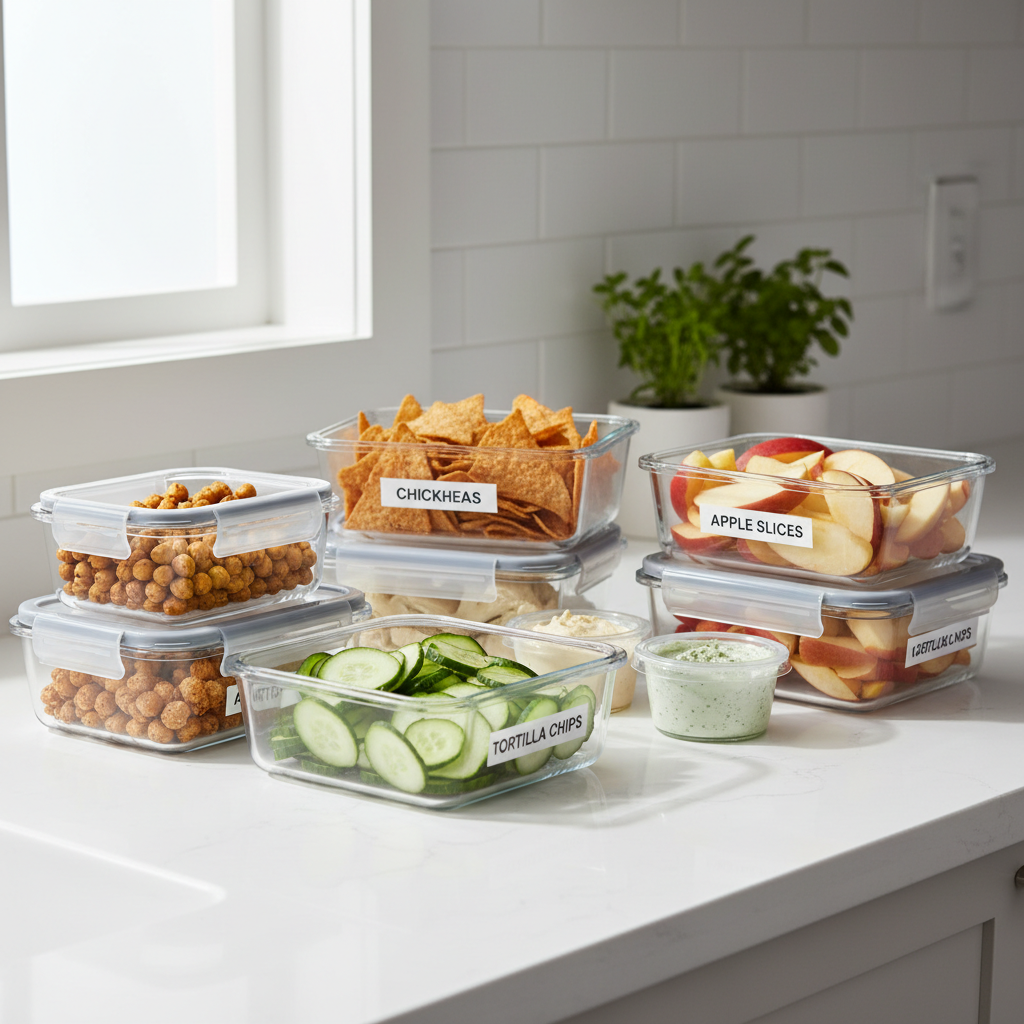
Key takeaways to keep on the fridge: crunchy plus dip usually wins, pack toppings separately, and if a snack keeps coming back untouched, swap texture before you swap flavor.
Common mistakes (that make crunchy snacks flop)
- All crunch, no substance: crackers alone often lead to “I’m hungry again” 20 minutes later, add a dip, cheese, yogurt, or a protein side.
- Too hard for the moment: raw carrots can be a no-go for braces or younger kids, thin-slice or steam-chill for a gentler crunch.
- Packing warm: roasted items lose crispness fast when sealed warm, cool completely before closing containers.
- Over-seasoning: spicy or salty flavors can backfire, especially for kids who prefer “plain,” season lightly and offer optional sprinkles.
- Assuming “healthy” means “accepted”: sometimes the fix is presentation, sticks and dips beat a pile on a plate.
According to the FDA, you should avoid leaving perishable foods at room temperature for too long; if you’re packing yogurt, cheese, or dips for school, using an insulated lunch bag and ice pack is usually the safer move.
When to get extra help (and what kind)
If crunchy textures cause gagging, panic, or consistent refusal across many foods, it may be more than “picky.” That can happen with sensory processing differences, anxiety, or oral-motor challenges, and it’s not a parenting failure.
- If your child has frequent choking episodes or trouble chewing, start with your pediatrician.
- If allergies are suspected, an allergist can guide testing and safe substitutions.
- If eating is highly restricted, a pediatric dietitian or feeding therapist may help build a plan that respects texture preferences while expanding options.
Conclusion: keep it crunchy, but make it count
Crunchy snacks are often the easiest way to get kids interested, but the win comes when you pair crunch with something satisfying and easy to repeat. Pick two batch items, keep one dip ready, and treat “crunch + dip” as your default move for most afternoons.
If you want one simple action today, choose one of the roasted or baked options and make a double batch, then set up a small “snack station” shelf so kids can grab and build their own combos with less negotiating.
FAQ
What are the easiest crunchy snack recipes for kids with no cooking?
Fresh crunch plus a dip is usually the fastest: apple slices with seed butter, cucumber sticks with hummus, or crackers with guacamole. If you keep dip cups on hand, it feels like a “real snack” with almost no prep.
How do I keep snacks crunchy in a lunchbox?
Cool cooked items completely before packing, and store dips separately. For parfaits, pack granola or cereal in a small bag so kids add it right before eating.
Are crunchy snacks always unhealthy?
No, crunch is just a texture. You can get it from produce, roasted beans, toasted grains, or whole-grain crackers, then balance it with protein or healthy fats.
What crunchy snacks work for nut-free schools?
Roasted chickpeas, baked tortilla triangles, pretzels, veggie sticks, and sunflower butter with celery boats are common go-tos. School policies vary, so it helps to confirm the specific classroom rules.
What if my kid only wants crackers and chips?
Keep the preferred crunch, but change the “partner.” Offer the same crackers with hummus, yogurt dip, or cheese, then gradually mix in a second crunch like snap peas or apple “fries” on the side.
Can toddlers have crunchy snacks?
Many can, but texture and shape matter. Some hard or small foods can raise choking risk, so slice thin, soften when needed, and ask a pediatric professional if you’re unsure about a specific item.
How can I add protein to crunchy snack recipes without cooking?
Think add-ons: cheese sticks, yogurt cups, hummus, bean dips, or seed butter. Even a small portion can make the snack feel more filling.
How many snack options should I rotate in a week?
Usually 6–10 is plenty when you mix and match crunch + dip + topper. Too many choices often creates more work without improving what kids actually eat.
If you’re trying to build a calmer after-school routine, these snack recipes work best when you set up a small rotation and keep a “safe” crunchy option available, then experiment with one new flavor at a time instead of reinventing the whole snack plan.