
Onion recipes are one of the fastest ways to make everyday cooking taste intentional, even when the rest of the fridge looks random. If your dinners feel flat, it’s often not the protein that’s missing, it’s the base flavor, and onions do that job better than almost anything.
The catch is that onions can also go wrong: burned edges, harsh bite, or that watery “steam-fried” texture that never browns. A few small technique choices, pan heat, cut size, when you salt, change the outcome more than most people expect.
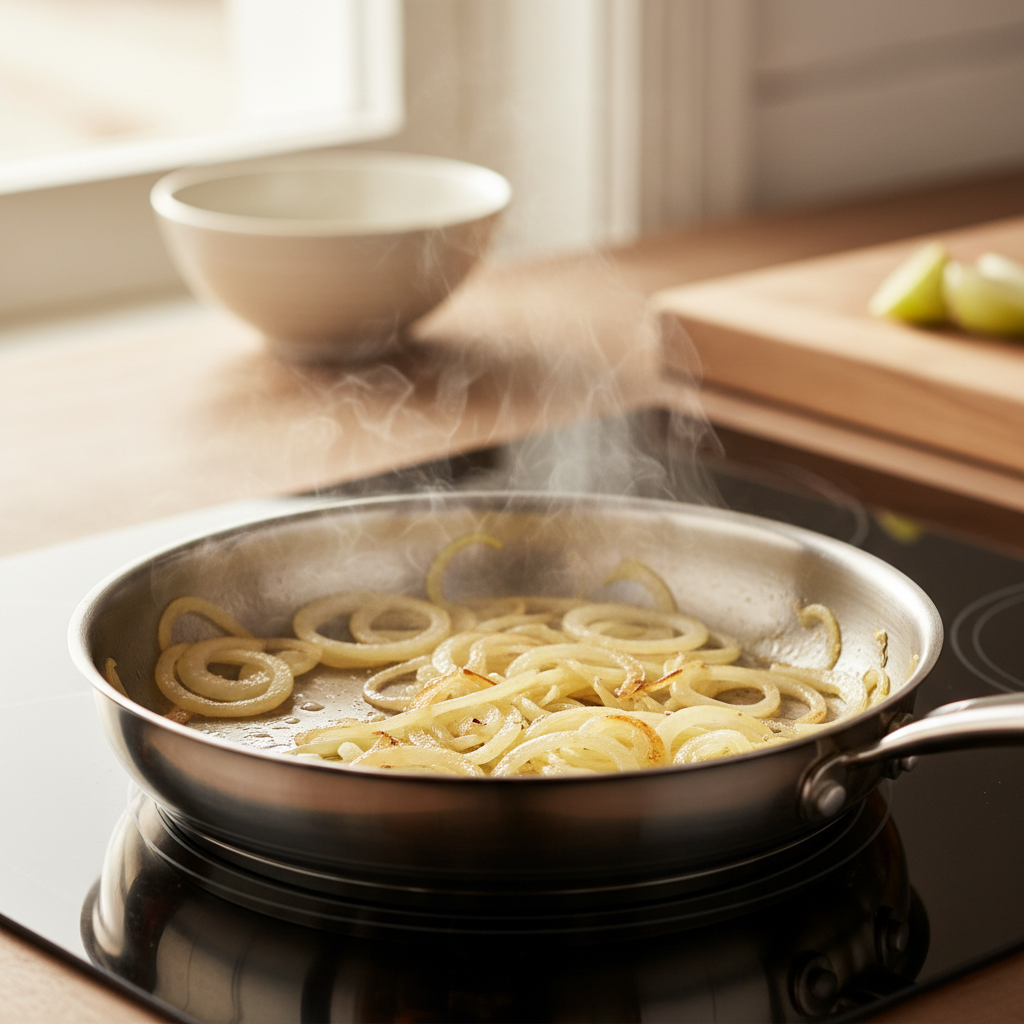
This guide focuses on savory applications: weeknight-friendly dishes, make-ahead options, and a few “small effort, big payoff” toppings that lift everything from burgers to grain bowls. You’ll also get a quick decision checklist, a technique table, and a short plan for using up a bag of onions without repeating the same meal.
Pick the right onion for the job (it matters more than people admit)
Not every onion behaves the same in the pan. Sugar and water content vary, and that changes browning, sweetness, and how sharp the raw flavor feels.
- Yellow onions: the default for most cooked onion recipes, balanced flavor, browns well, great for soups, sautéed bases, and roasted dishes.
- Sweet onions (Vidalia, Walla Walla): milder raw bite, soften quickly, best when you want gentle sweetness without long cooking.
- Red onions: punchier raw, good for quick pickles, salads, and roasting where you still want some bite.
- White onions: brighter, slightly more sulfur-forward, common in Mexican cooking, great for salsas and fast sautés.
- Shallots: “onion energy” but more delicate; ideal for pan sauces, vinaigrettes, and quick sautés.
According to the USDA, onions are part of the allium family and bring naturally occurring sulfur compounds that create their characteristic aroma and bite. In plain terms, that’s why your cutting method and cook time change the final flavor so much.
A quick technique table: how to get the flavor you want
If you only change one thing, change your heat and patience. Browning needs time and a pan that’s not crowded.
| Method | Best for | What it tastes like | Common mistake |
|---|---|---|---|
| Low-and-slow caramelizing | French onion soup, jammy toppings | Deep sweet, savory, almost “meaty” | Heat too high, ends up bitter or patchy |
| Medium sauté (8–12 min) | Weeknight bases, tacos, pasta | Soft, mellow, lightly browned | Pan crowded, onions steam and stay pale |
| High-heat stir-fry (3–6 min) | Fajitas, quick veg mixes | Charred edges, still some crunch | Stirring constantly, no browning develops |
| Roasting | Sheet-pan dinners, sides | Sweet edges, tender centers | Cut too small, dries out |
| Quick-pickling | Sandwiches, bowls, tacos | Tangy, crisp, less bite | Using boiling brine and over-softening |
Self-check: what kind of onion recipe do you actually need tonight?
This sounds obvious, but it saves time: pick based on your constraint, not your aspiration.
- “I have 15 minutes.” Go with a fast sauté, a quick pan sauce, or a crisp topping like quick-pickled red onions.
- “I need dinner to feel hearty.” Build a base with browned onions, then add beans, ground meat, mushrooms, or lentils.
- “I’m meal-prepping.” Roast a big tray of onions, or caramelize a batch to portion into the freezer.
- “Raw onions wreck my stomach.” Choose cooked applications, or soak sliced onions in cold water for 10 minutes to soften bite; if sensitivities persist, consider asking a clinician for personalized advice.
- “I want more flavor with less salt.” Use long-cooked onions, plus acid at the end (lemon, vinegar) to make flavors pop.
Core savory onion recipes (with flexible, real-life steps)
1) Weeknight sautéed onions and peppers (tacos, bowls, sausages)
Slice onions pole-to-pole for strands that hold shape. Heat a skillet to medium, add oil, then onions with a pinch of salt. After 3 minutes, add sliced bell peppers, cook until soft with some browning, finish with pepper and a small splash of vinegar or lime.
- Use it with: fajitas, grain bowls, bratwurst, scrambled eggs.
- Shortcut: add a spoon of salsa or tomato paste near the end for instant depth.
2) Roasted onion wedges (easy side that tastes slow-cooked)
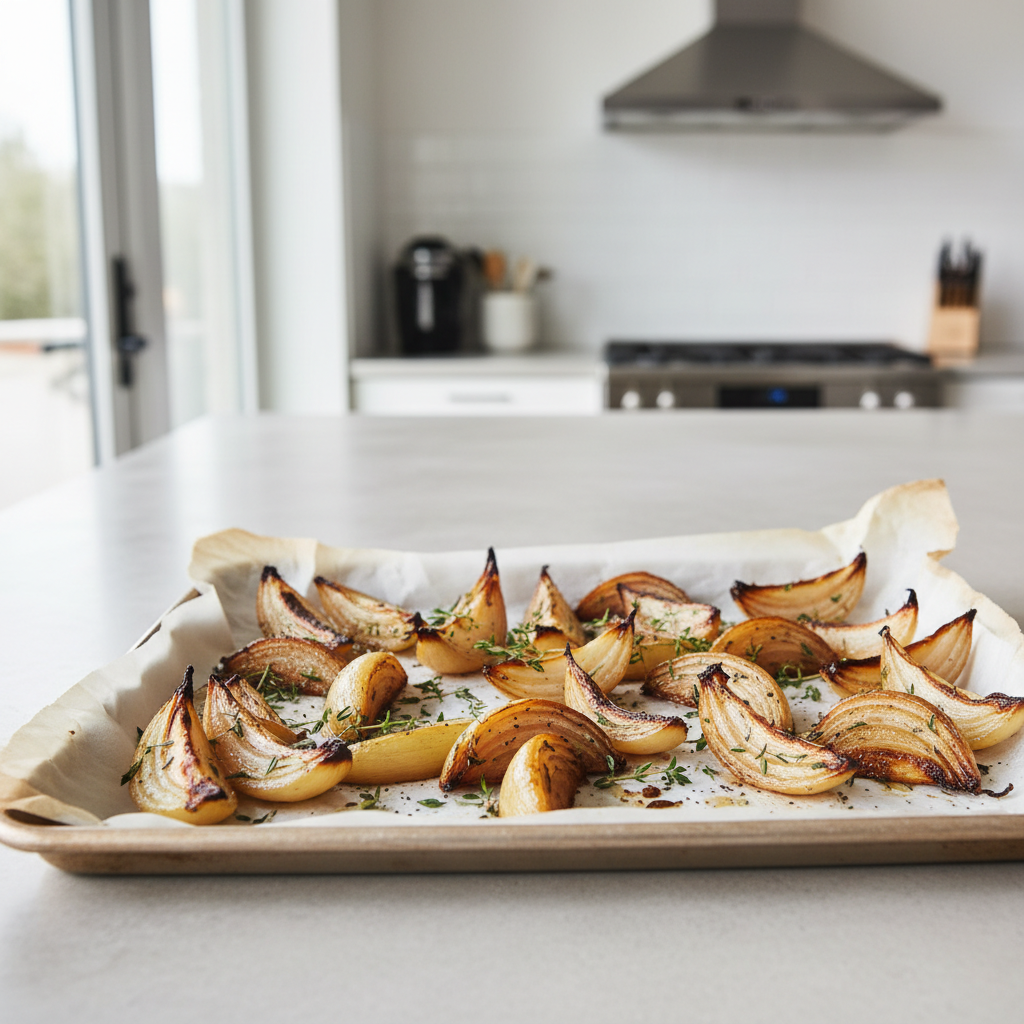
Cut onions into wedges, keep the root end attached so they don’t fall apart. Toss with oil, salt, and smoked paprika, roast at 425°F until edges brown and centers turn silky. Finish with a little lemon juice.
- Use it with: chicken thighs, salmon, chickpeas, steak salads.
- Extra: add a few sprigs of thyme or rosemary for a more “Sunday dinner” vibe.
3) Simple French onion-style soup (without pretending it’s quick)
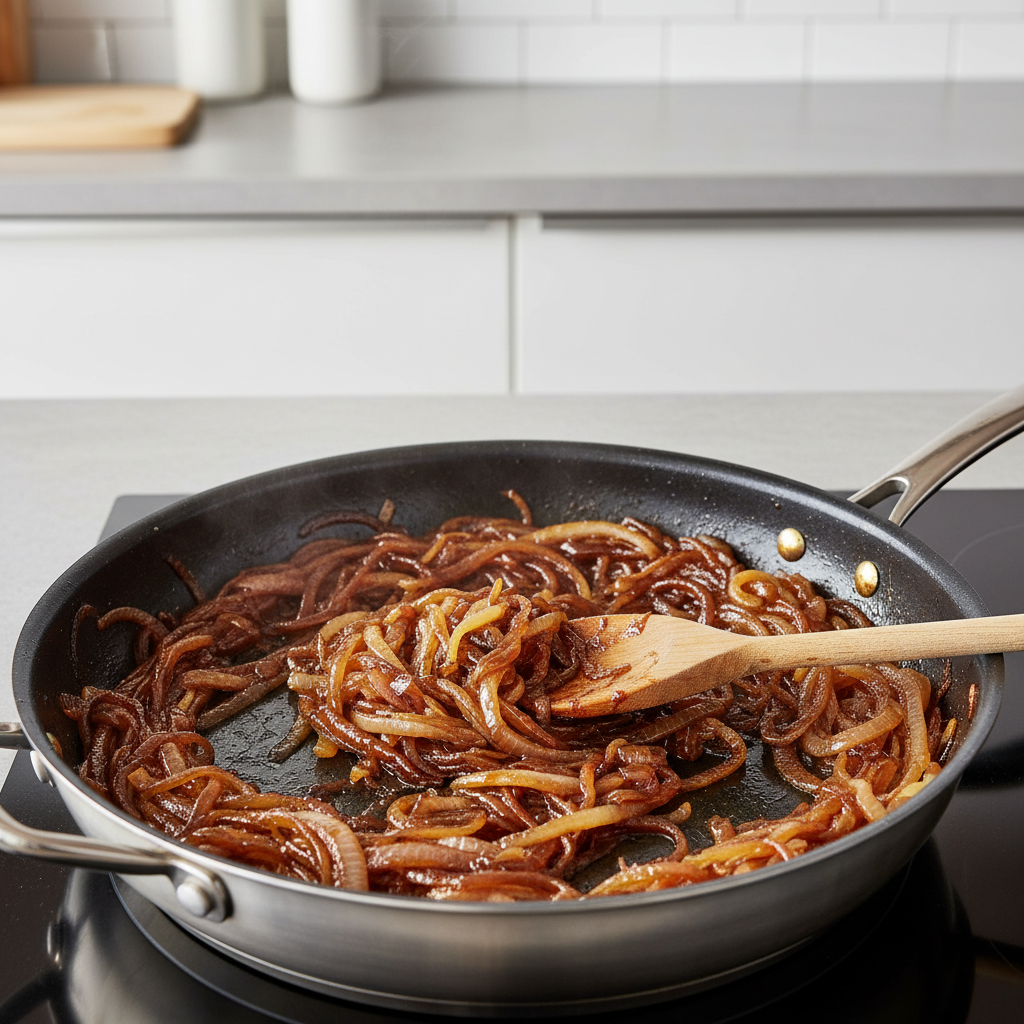
This is where patience pays rent. Slice yellow onions, cook on low to medium-low with butter and a pinch of salt, stir occasionally until deep brown and jammy. Deglaze with a splash of wine or broth, add beef broth (or a richer vegetable broth), simmer, then top with toasted bread and cheese.
For food safety, keep soup hot if serving right away, and cool quickly before refrigerating. If you’re unsure about storage times, local food-safety guidance can vary, so check reliable sources.
4) Onion gravy for mashed potatoes, meatloaf, or mushrooms
Brown sliced onions in a skillet, sprinkle flour, cook 1 minute, then whisk in broth. Simmer until thick, finish with black pepper and a tiny splash of soy sauce or Worcestershire for savory depth.
- Vegetarian option: use mushroom broth or vegetable broth plus a bit of miso.
5) Quick-pickled red onions (the 10-minute flavor upgrade)
Thinly slice red onion. Cover with warm (not aggressively boiling) vinegar brine with salt and a little sugar. Rest 10–20 minutes. You get tang, crunch, and less raw bite.
- Use it with: tacos, salads, pulled pork, hummus plates.
- Keep in fridge: usually a few days, but if anything smells “off,” discard and remake.
Practical tips that make onion recipes taste better fast
- Don’t crowd the pan. If onions pile up, they steam. Use a wider pan or cook in batches.
- Salt timing is a lever. Early salt draws water and speeds softening, late salt helps browning stay cleaner. For most savory onion recipes, a small early pinch works, then adjust at the end.
- Deglaze on purpose. When browned bits stick, add a splash of water, broth, or wine and scrape. That’s flavor you already paid for.
- Cut changes texture. Pole-to-pole slices hold strands, crosswise slices collapse faster, diced onions “melt” into sauces.
- Add acid at the end. A teaspoon of vinegar or citrus brightens sweetness and makes dishes taste more seasoned.
Common mistakes (and what to do instead)
Most onion frustration comes from heat control and timing, not from the recipe itself.
- Bitter onions: usually heat too high or dry pan. Lower heat, add a touch more fat, and stir less often.
- No browning: pan crowded or heat too low. Use a wider pan and let onions sit 1–2 minutes before stirring.
- Too sharp in raw dishes: slice thinner, rinse briefly, or quick-pickle. If raw alliums consistently cause discomfort, it may be worth discussing with a professional.
- Everything tastes sweet: caramelization is great, but not for every dish. For savory balance, stop earlier, add garlic later, and use herbs, pepper, or umami boosters.
Key takeaways (save this for later)
- Yellow onions are your best all-around choice for cooked meals.
- Heat + space determine whether onions brown or steam.
- Batch-cook caramelized onions or roasted wedges to make weeknight dinners easier.
- Finish with acid to keep savory onion recipes from tasting heavy.
Conclusion: make onions your “flavor base” habit
If you want cooking to feel easier without relying on extra salt, onion recipes are a dependable place to start. Pick one fast method for busy nights, keep one topping in the fridge, and do one bigger batch on a weekend, that trio covers a surprising amount of meals.
Tonight, choose a lane: either quick-pickle a red onion for instant lift, or roast wedges while you cook the main. Once you taste the difference, you’ll stop treating onions as an afterthought and start using them as the plan.
FAQ
What are the best onions for caramelizing?
Yellow onions are the most reliable for deep browning and balanced flavor. Sweet onions can work too, but they often go soft faster, so you may need gentler heat to avoid scorching.
How do I make onions taste less sharp in salads?
Slice them thin, then soak in cold water for about 10 minutes and drain well, or use quick-pickled red onions. Both approaches reduce harsh bite without killing onion flavor.
Why won’t my onions brown even after 15 minutes?
Most of the time the pan is crowded or there’s too much moisture. Use a wider skillet, cook in batches, and let onions sit undisturbed briefly so the surface can brown.
Can I freeze caramelized onions for later recipes?
Yes, many home cooks freeze small portions flat in bags or in ice-cube trays. Thaw in the fridge when possible, then rewarm in a pan to bring back aroma and texture.
What onion recipe is easiest for beginners?
Roasted onion wedges are hard to mess up because the oven does the work. If you can cut wedges and set a timer, you’ll usually get sweet, savory results.
How do I keep onions from burning when I’m multitasking?
Lower the heat and add a splash of water if the pan looks dry, then stir. Burning often happens in the “I’ll check in a minute” window, so a slightly lower heat buys you forgiveness.
Are onions healthy, and can they cause issues?
Onions can be part of a balanced diet, but some people are sensitive to alliums and may get digestive discomfort. If that’s you, cooked preparations may be easier, and for ongoing symptoms it’s reasonable to consult a clinician.
If you’re trying to cook more at home and want a more predictable “savory baseline,” keep a short rotation of onion recipes on hand, one quick topping, one roasted side, one long-cooked batch, and dinner gets easier without feeling repetitive.