
Kitchen hacks work best when they remove friction you feel every day: the slow prep, the constant cleanup, the “where is that tool?” moment that kills momentum. The goal isn’t gourmet perfection, it’s getting a solid meal out with less effort and fewer steps.
If weeknights feel like a race between hunger and exhaustion, small process changes beat big resolutions. A smarter setup, a couple of repeatable shortcuts, and a few default meals can save real time without turning your kitchen into a lab.
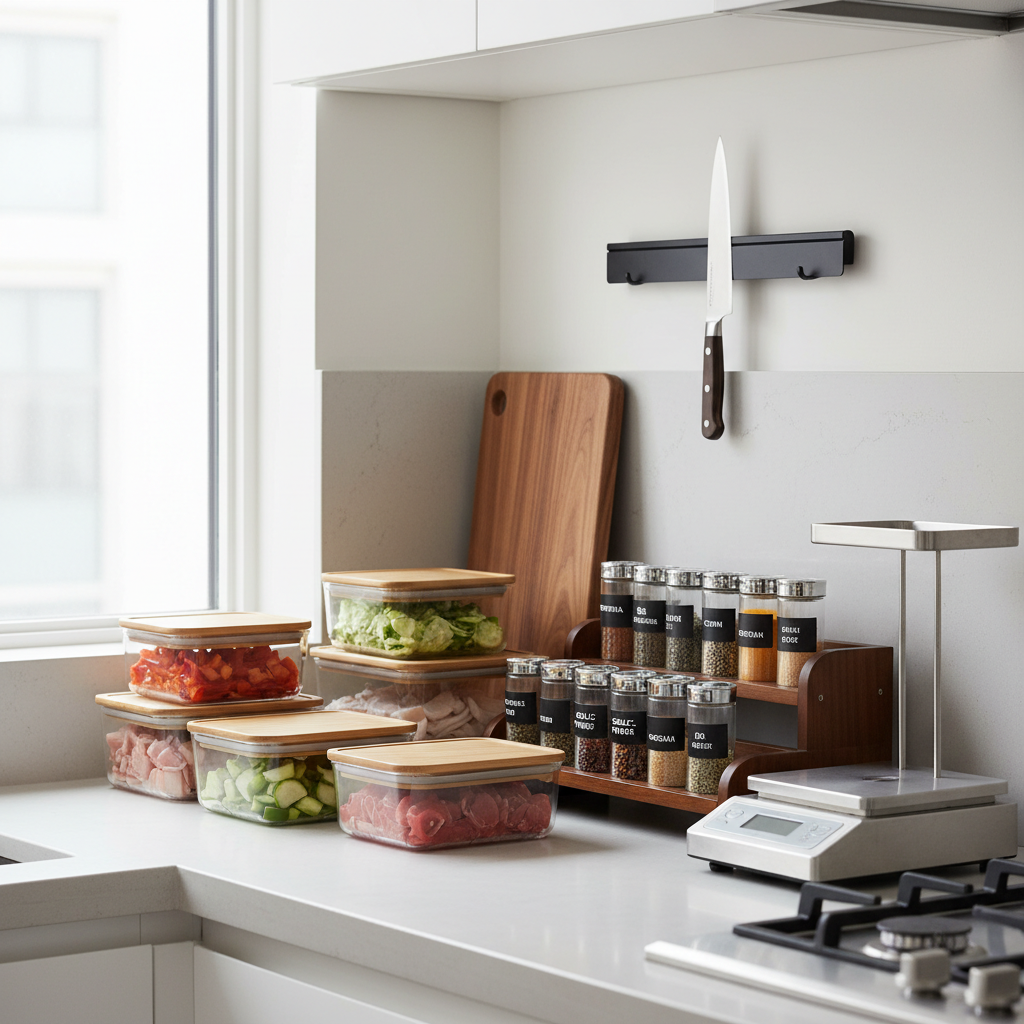
Also, a quick reality check: time savings usually come from planning and layout more than “secret tricks.” Once you set the system, the hacks feel almost boring, which is exactly why they keep working.
Where time really goes in most home kitchens
Before you change anything, it helps to name the culprits. In many households, cooking time expands because of a few repeat patterns, not because the recipe is hard.
- Tool hunting: digging for the right pan, finding the measuring spoons, searching for the one lid that fits.
- Too many micro-steps: opening five containers of spices, mincing garlic, zesting, washing, drying, putting away.
- Clean-as-you-go gaps: you mean to wipe and rinse, but the sink fills, then everything slows down.
- Decision fatigue: choosing what to cook takes longer than cooking, then you default to takeout.
According to USDA Food Safety and Inspection Service (FSIS), safe food handling depends on basics like clean hands, avoiding cross-contamination, and cooking to safe temperatures. Time-saving is great, but not when it pushes you into risky shortcuts with raw meat or poultry.
A fast self-check: which “time leak” is yours?
Use this quick checklist to figure out where to focus. One or two fixes usually matter more than adding ten new kitchen hacks.
- If you start cooking and realize you’re missing ingredients, your issue is shopping and staging.
- If prep feels endless, you’re likely losing time to knife work and repetition.
- If the sink is stacked halfway through, your issue is workflow and cleanup.
- If you stare into the fridge at 6:10 p.m., it’s planning and defaults.
- If you cook fine but dinner still runs late, it’s often heat management and timing.
Pick one category for the next week. That constraint keeps things realistic.
Prep smarter: the few moves that save the most time
These are the kitchen hacks that tend to pay off quickly because they reduce repeated tasks, not just minutes here and there.
1) Build a 10-minute “mise en place” habit (without going full chef)
Instead of prepping everything perfectly, do a quick staging pass: pull ingredients, set out the pan, grab the cutting board, place a trash bowl. You’re buying flow, not perfection.
- Keep a small bowl on the counter for scraps to avoid constant trips to the trash.
- Measure only what’s easy; for spices, pre-combine blends in a small dish.
2) Use pre-cut or frozen strategically, not apologetically
Frozen chopped onions, mirepoix blends, and pre-washed greens can shave serious time. The tradeoff is texture in some dishes, so aim them at soups, stir-fries, tacos, and sheet-pan meals where it barely matters.
3) Set “batch anchors” once or twice a week
Cook one or two building blocks you can remix: a tray of roasted veggies, a pot of rice or quinoa, browned ground meat, or shredded chicken. Then weeknight meals become assembly instead of starting from zero.
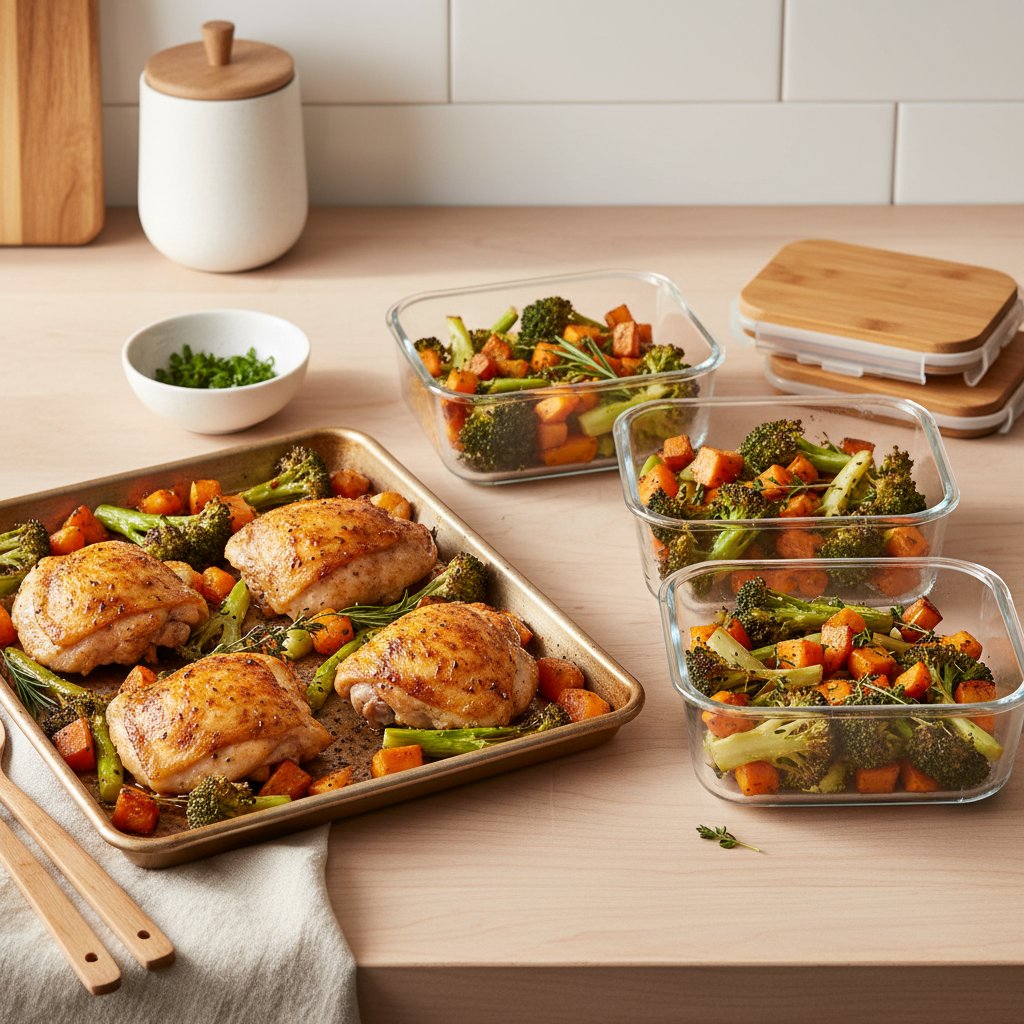
Key point: Batch cooking does not need to be an all-day Sunday event. Even 25 minutes while you tidy up can create the “future you” shortcut.
Cook faster with heat and timing (the part most people skip)
A lot of “quick recipes” still run long because the pan never gets hot enough, or tasks happen in the wrong order. A few rules help almost every dish.
- Preheat with purpose: pans and ovens need time. Turn heat on first, then prep.
- Cut for cooking: thinner pieces cook faster and more evenly. Chicken cutlets beat thick breasts; halved potatoes roast faster than whole.
- Use the right pan size: overcrowding traps steam, slows browning, and drags time.
- One timer, one focus: set timers for the longest step and build backward from it.
When you’re cooking meat or poultry, a thermometer is a legitimate time-saver because it reduces guesswork. According to USDA FSIS, using a food thermometer helps confirm food reaches a safe internal temperature; if you have health concerns or special dietary needs, it may be worth checking with a qualified professional.
Clean less, not harder: low-friction cleanup kitchen hacks
Cleanup is often the hidden second job. These moves reduce the number of items you touch and the mess you create in the first place.
Keep a “wash zone” routine
- Fill a bowl or one sink corner with warm soapy water early, drop tools in as you go.
- Wipe cutting board between ingredients with a damp paper towel, then wash at the end.
- Line sheet pans with parchment or foil when appropriate, especially for sticky sauces.
Choose meals that self-limit dishes
- Sheet-pan dinners
- Stir-fries and sauté meals
- One-pot soups, chili, pasta
- “Build-your-own” bowls (grain + protein + veg + sauce)
None of this is glamorous, but it keeps weeknights from feeling endless.
A simple “weeknight system” you can actually maintain
If you want kitchen hacks that stick, set up defaults. You’re not trying to cook a new thing every night, you’re trying to reduce decision-making.
Start with three default dinners
Pick meals you can cook with pantry and freezer staples. Example categories:
- Taco night: tortillas, beans or ground meat, bagged slaw, salsa.
- Stir-fry night: frozen veg, quick-cook noodles or rice, sauce you like.
- Sheet-pan night: sausage or chicken, one sturdy vegetable, one quick sauce.
Use this quick table to match the hack to the situation
| Problem | What to do | Why it helps |
|---|---|---|
| No time to chop | Frozen chopped onion/veg; pre-washed greens | Removes repetitive prep steps |
| Too many dishes | Sheet-pan or one-pot meals; parchment lining | Limits cookware and stuck-on mess |
| Dinner runs late | Preheat first; cut thinner; don’t overcrowd pan | Speeds cooking and improves browning |
| Can’t decide what to cook | 3 default dinners + a “backup pantry meal” | Reduces decision fatigue |
| Food goes bad | Plan 2-3 fresh meals; freeze extra portions | Aligns cooking with real schedule |
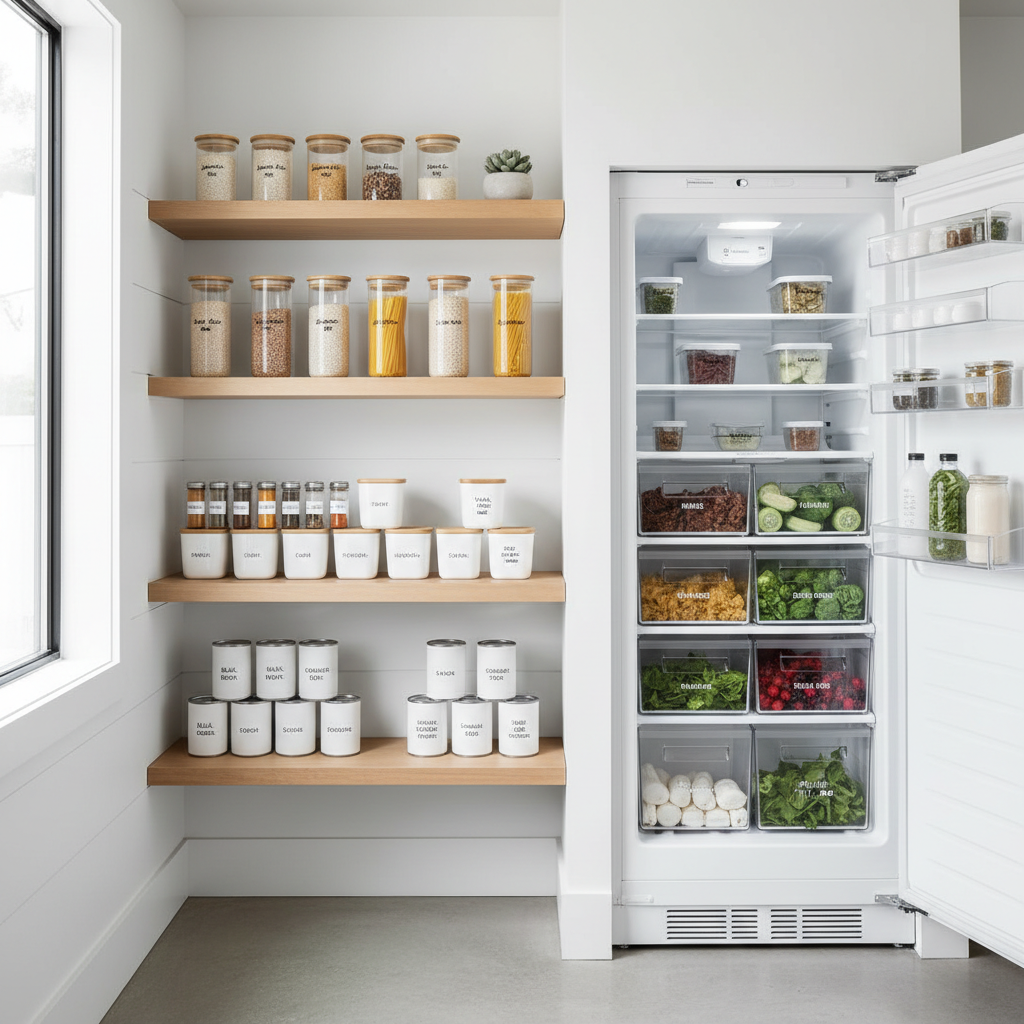
Practical tip: Put your backup meal on a sticky note inside the pantry door. When you’re tired, you want the answer to be visible.
Common mistakes that make “time-saving” backfire
Some shortcuts look efficient but cost more time later, or create safety issues.
- Skipping knife maintenance: a dull knife slows prep and increases accident risk. If you’re unsure how to sharpen safely, ask a pro at a kitchen shop.
- Over-batching: cooking five components at once can create stress and wasted food. Start with one anchor item.
- Washing raw poultry: this can spread bacteria around the sink area. According to CDC, washing raw poultry is not recommended because it can splash germs; focus on proper cooking and clean surfaces instead.
- Using high heat for everything: it burns sauces, smokes oils, and creates more scrubbing.
Action plan: your next 7 days (no big lifestyle overhaul)
If you want this to feel easier quickly, keep it small and repeatable.
- Pick one time leak from the self-check and fix that first.
- Choose three default dinners and shop for those only.
- Do one batch anchor (roasted veg or cooked grain) on a day you already cook.
- Set up a simple cleanup routine: scrap bowl + soapy soak bowl.
That’s enough for noticeable change. After a week, you can add one more habit if the first ones feel automatic.
Conclusion: make kitchen hacks boring, and they’ll keep working
The best kitchen hacks are the ones you stop thinking about: a counter setup that makes sense, a couple of defaults you genuinely like, and a workflow that doesn’t explode the sink. Start with one fix, run it for a week, then layer in the next. If you want a small win tonight, preheat first, cut thinner, and choose a one-pan meal, you’ll feel the difference immediately.
FAQ
What are the best kitchen hacks for busy families?
Focus on defaults and assembly meals: tacos, bowls, sheet-pan dinners, and one-pot pasta. Families usually save more time by repeating a few reliable meals than by chasing new “quick recipes” every night.
Do frozen vegetables really work for weeknight cooking?
In many dishes, yes. Frozen veg can be a smart shortcut for stir-fries, soups, casseroles, and sheet-pan meals. For salads or dishes where crunch matters, fresh may still taste better.
How can I cut cooking time without sacrificing food safety?
Use a food thermometer for meat and poultry and avoid risky shortcuts like washing raw poultry. According to USDA FSIS and CDC guidance, safe temps and clean handling matter more than extra rinsing or guesswork.
What’s the fastest way to reduce cleanup?
Cook with fewer vessels and prevent stuck-on mess: parchment-lined sheet pans, one-pot meals, and a scrap bowl on the counter. Cleanup gets easier when you generate less mess during cooking.
Which tools are actually worth it for saving time?
A sharp chef’s knife, a sturdy cutting board, a sheet pan, and a decent nonstick skillet cover most weeknight needs. Specialty gadgets can help, but only if you use them weekly and store them where you can grab them fast.
Why do my “30-minute meals” always take 60 minutes?
Usually it’s preheat time, slow chopping, or overcrowded pans. Start heat first, simplify prep with frozen or pre-cut options, and give ingredients space to cook properly.
How do I meal prep if I hate meal prepping?
Skip the full menu plan and prep one anchor item, like roasted veggies or cooked rice. That small step still gives you flexibility and makes weeknight dinners feel less like starting over.
If you’re trying to make weeknights smoother, it can help to treat these kitchen hacks like a simple system: one prep anchor, three default dinners, and a cleanup routine you can repeat even when you’re tired. If you want, tell me what you usually cook and how many people you feed, and I can suggest a short “default menu” that fits your schedule.