
italian cannoli easy is mostly about getting the filling right: smooth ricotta, the right sweetness, and a texture that pipes cleanly without turning watery in the fridge. If your past cannoli filling tasted grainy, leaked out of the shell, or went oddly “wet” overnight, you’re in the most common camp.
This guide focuses on a practical, bakery-style cannoli filling you can make at home with grocery-store ingredients, plus quick troubleshooting. I’ll also call out the few steps people skip because they look optional, even though they’re usually the difference between “fine” and “I’d serve this.”
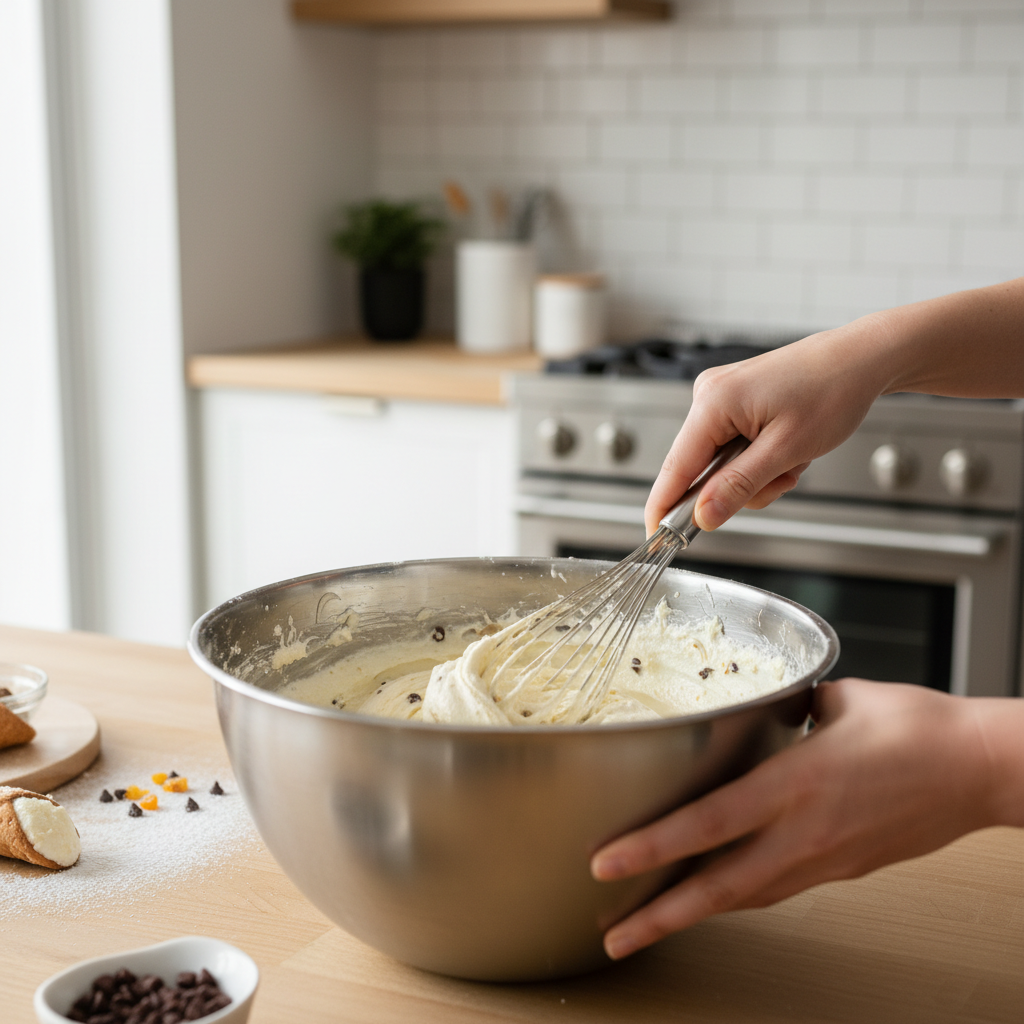
One more note before we start: the “easy” version should still respect moisture control. According to USDA Food Safety and Inspection Service, dairy-based mixtures should be kept refrigerated and handled quickly, so this recipe also includes safe make-ahead and storage timing.
Why cannoli filling turns out runny or grainy (and how to avoid it)
Most cannoli filling problems come from ricotta choice and moisture. Ricotta varies a lot by brand, and even the same brand can feel different week to week.
- Too wet: ricotta holds whey, and sugar pulls out more liquid as it sits, so a filling can look thick at 2:00 pm and loose by dinner.
- Grainy texture: some ricotta has larger curds; mixing alone won’t fully smooth it.
- Overmixed with thin tools: beating forever can make it looser, especially if you add liquid flavorings early.
- Warm kitchen: warmth softens the mixture, and it “looks wrong” fast.
If you only do one “extra” step, make it draining the ricotta. That’s usually what keeps italian cannoli easy instead of stressful.
Quick self-check: what kind of filling do you need?
Use this as a fast decision tree before you shop or start mixing.
- You’re serving within 30–60 minutes: a lightly drained ricotta filling works, and you can be less strict.
- You’re serving in 2–6 hours: drain well and keep the filling chilled; pipe close to serving time.
- You need next-day cannoli: plan to store filling and shells separately, then fill right before serving.
- You hate grainy texture: choose whole-milk ricotta and plan to sieve or briefly food-process.
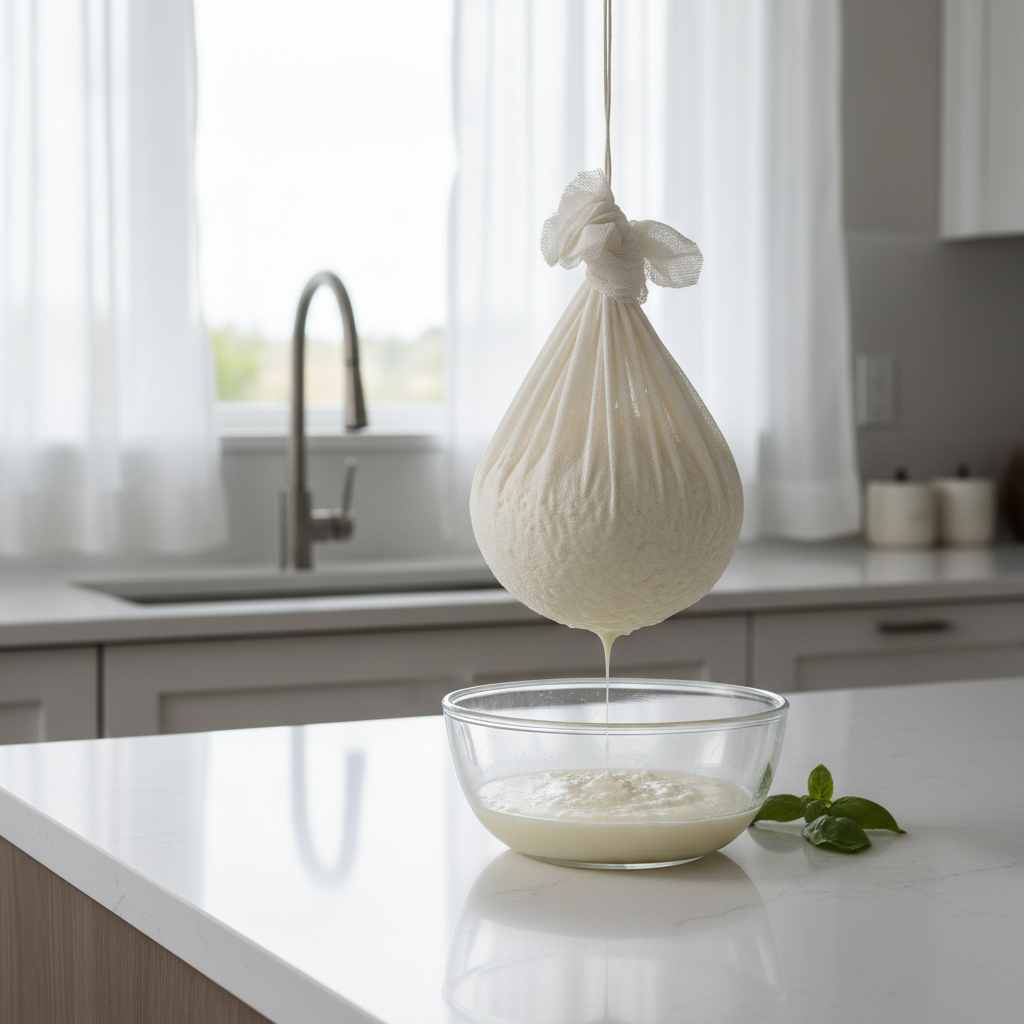
If you’re aiming for a dependable party dessert, the “serve within a few hours” approach is the sweet spot: good texture, less fuss, fewer soggy shells.
Easy Italian cannoli filling recipe (classic ricotta cream)
This recipe keeps the flavor traditional, not overly sweet, and the texture pipeable. It’s designed so italian cannoli easy still tastes like you meant it.
Ingredients (fills about 10–12 medium shells)
- 16 oz whole-milk ricotta (drained)
- 3/4 cup powdered sugar, plus more to taste
- 1/2 tsp vanilla extract
- 1/4 tsp ground cinnamon (optional, but classic)
- 1/4 cup mini chocolate chips
- 1–2 tbsp finely chopped pistachios (optional, for garnish)
- Pinch of salt
Step-by-step (the way that avoids common texture issues)
- Drain ricotta: spoon into cheesecloth (or a clean, lint-free towel) over a bowl, chill 30 minutes to overnight. Even 30 minutes helps.
- Smooth it: press ricotta through a fine mesh sieve with a spatula, or pulse briefly in a food processor. Don’t overdo it; you want creamy, not loose.
- Sweeten: mix in powdered sugar, salt, vanilla, and cinnamon until just combined.
- Fold in chips: add mini chocolate chips at the end to keep the mixture thick and scoopable.
- Chill: refrigerate 20–30 minutes, then pipe or spoon into shells right before serving.
Key point: if the filling looks perfect right after mixing but you plan to wait, chill it before judging. Cold texture tells the truth.
Texture and sweetness guide (table you’ll actually use)
Ricotta brands vary, so it helps to adjust with simple knobs. Here’s a quick reference.
| Problem | Likely cause | Fix (fast) | Fix (best) |
|---|---|---|---|
| Runny filling | Ricotta too wet, sugar drawing moisture | Chill 30–60 min | Drain longer; sieve; add sugar after draining |
| Grainy filling | Large curds | Sieve once | Sieve twice or brief food processor pulse |
| Too sweet | Powdered sugar amount high for your taste | Add more ricotta | Start with 1/2 cup, then creep up |
| Flat flavor | No salt, not enough vanilla/cinnamon | Pinch of salt | Add citrus zest or a touch more vanilla |
| Soggy shells | Filled too early | Serve sooner | Store shells separate, fill right before eating |
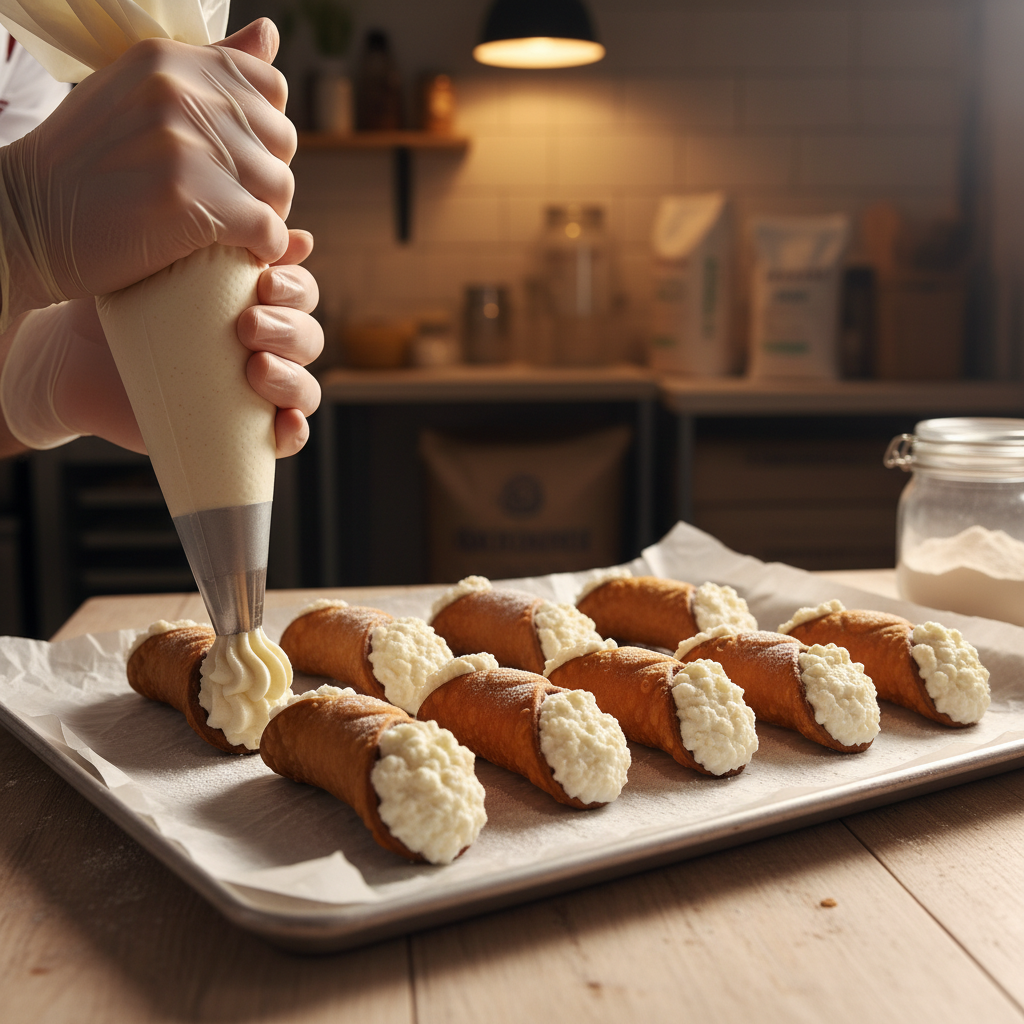
This is also why “easy” doesn’t mean “do everything early.” In a lot of kitchens, filling is the part you can make ahead, shells are the part you protect.
Flavor variations that still taste Italian (without getting weird)
You can keep the classic vibe and still make it feel special. The trick is using small, dry flavor boosters, not extra liquid.
- Orange zest: 1–2 tsp finely grated zest makes the filling brighter without thinning it.
- Chocolate-forward: swap mini chips for finely chopped dark chocolate, it melts slightly and tastes richer.
- Pistachio: fold in 2–3 tbsp chopped pistachios and roll the ends in more nuts.
- “Cannoli cream” vibe: add 2–3 tbsp mascarpone for a slightly silkier mouthfeel, then chill to set.
If you want a boozy note, add it sparingly. A teaspoon can be plenty; more than that often pushes the filling toward runny.
Make-ahead, storage, and food safety (what’s realistic)
You can prep this filling ahead, but don’t fill shells early if you care about crunch. According to FDA, perishable dairy foods should be kept refrigerated, and time at room temperature should be limited, so treat cannoli filling like any other creamy dessert.
- Make-ahead filling: 1–2 days is usually reasonable if kept tightly covered in the fridge; texture may loosen slightly, so stir gently before piping.
- Filled cannoli: best within 1–2 hours for crunch; if you must, fill and refrigerate briefly, but expect softening.
- Freezing: shells freeze better than filled cannoli; filling can change texture when thawed, so test a small batch if you plan to freeze.
Practical move: store filling in a piping bag (or zip-top bag) in the fridge, then snip and fill when guests arrive. It’s the cleanest “italian cannoli easy” hack without cutting corners on quality.
Common mistakes (and the small fixes that matter)
- Skipping the drain: if you remember nothing else, remember this step. It prevents most failures.
- Using granulated sugar: it can feel gritty; powdered sugar dissolves more smoothly.
- Over-flavoring with liquids: too much extract, juice, or liqueur thins the mixture fast.
- Filling too early: even perfect filling can’t stop a shell from absorbing moisture over time.
- Not tasting after chilling: cold dulls sweetness slightly, so adjust once the mixture is chilled.
Conclusion: the easiest way to get cannoli filling “right”
If you want italian cannoli easy, aim for two wins: drain ricotta until it behaves, then fill shells close to serving so the crunch stays. Once you nail that rhythm, the rest becomes fun, chocolate chips and pistachios included.
Do this next: drain your ricotta now, even if you’re not mixing until later, then chill the finished filling before you decide it needs “fixing.” Those two habits solve most cannoli drama.
FAQ
How do I make cannoli filling thicker without changing the flavor?
Drain the ricotta longer and chill the mixture before piping. If you already mixed it, a few hours in the fridge often helps, but the best fix is moisture control before adding sugar.
Can I use mascarpone instead of ricotta for easy cannoli filling?
You can, and it’s smoother, but it tastes less traditional and can feel heavier. Many home cooks blend a little mascarpone into ricotta rather than replacing it fully.
Why does my cannoli filling get watery overnight?
Sugar pulls moisture from ricotta and any mix-ins. Drain well, store tightly covered, and keep shells separate; filling cannoli the night before usually leads to soft shells.
What’s the best way to drain ricotta quickly?
Cheesecloth over a bowl in the fridge for 30–60 minutes is the quickest “good enough” approach. If you have time, a few hours or overnight drains more whey and makes piping easier.
Can I make this recipe without a piping bag?
Yes. Spoon filling into a zip-top bag and cut a small corner, or use a spoon to pack gently. Piping just makes the ends look cleaner.
Should I add heavy cream to make it fluffier?
Some recipes do, but it can make the filling looser and more sensitive to warmth. If you want lighter texture, consider folding in a small amount of mascarpone instead, then chill well.
How far in advance can I fill cannoli shells for a party?
For crisp shells, aim for 30–60 minutes before serving. If timing is tight, fill closer to guests arriving and keep trays chilled; it’s usually a better trade-off than filling hours ahead.
If you’re trying to keep cannoli stress-free for a party, a simple system helps: make the filling early, keep it cold, set out shells and toppings, then fill in batches as you serve, it feels relaxed and still tastes fresh.