
French crepes sweet are one of those “looks fancy, actually simple” breakfasts, until they start sticking, tearing, or turning rubbery. If that has been your experience, you’re not doing anything “wrong”, you just need a batter that behaves and a few pan habits that make crepes predictable.
The payoff is big: one basic batter makes a weekend brunch, a quick dessert, or a snack that feels like a café treat. Plus, you can keep the sugar modest and let fruit, jam, or chocolate do the heavy lifting.
In this guide you’ll get a reliable recipe, the why behind each step, and a practical troubleshooting list. I’ll also share make-ahead options, because crepes are even better when you don’t feel rushed.
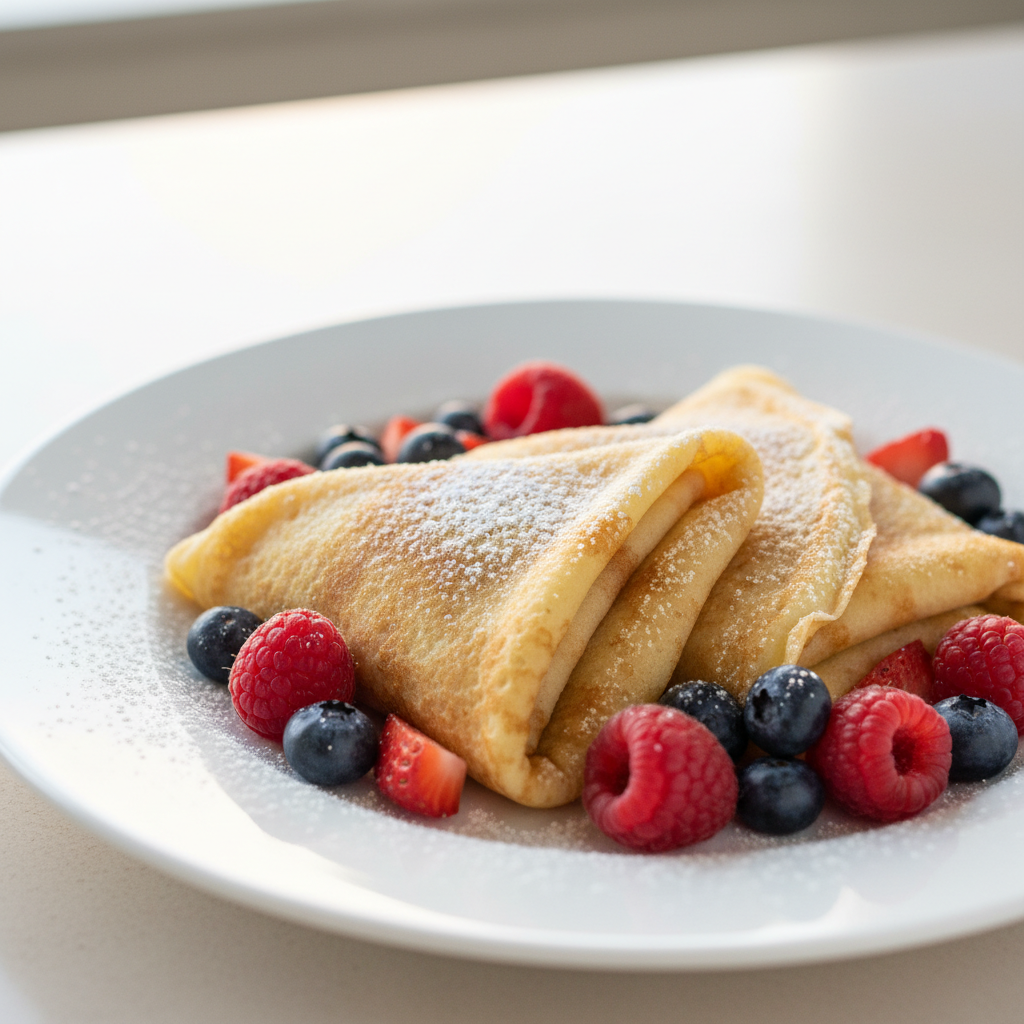
What makes sweet French crepes different (and why they tear)
Sweet crepes are essentially a thin pancake with a smoother batter, a lower “puff” goal, and a surface you want supple, not cakey. Most problems come from thickness, heat, and gluten development.
- Batter too thick: it won’t spread fast, so you get uneven thickness and weak spots that rip when you flip.
- Pan too hot: edges set before the center flows, leading to lacy holes or brittle crepes.
- Not resting the batter: flour needs time to hydrate, and gluten relaxes, which often improves tenderness and reduces tearing.
- Too much butter in the pan: sounds harmless, but excess fat can “fry” the surface and make it fragile.
According to USDA food safety guidance, eggs and dairy should be kept out of the temperature danger zone; if your batter sits out for longer prep sessions, it’s safer to refrigerate between batches.
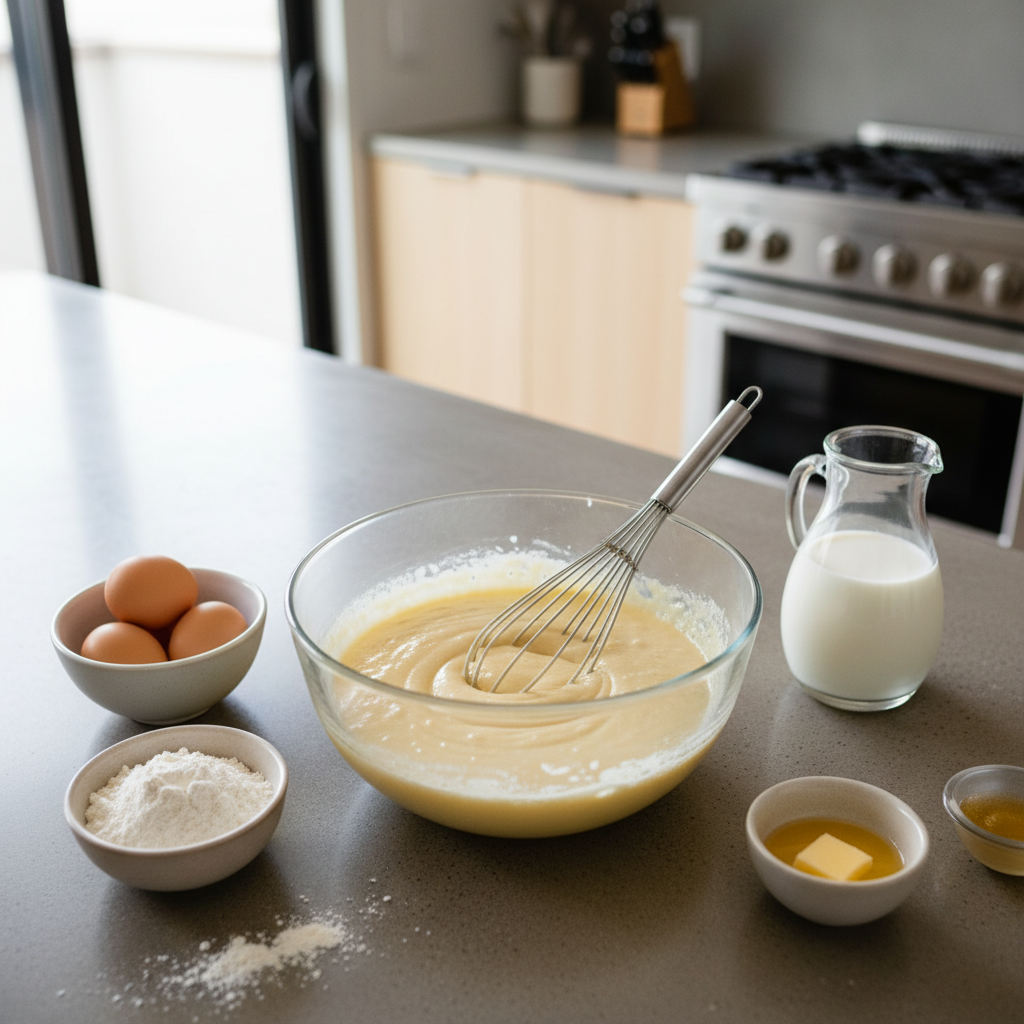
Easy sweet crepe batter (no fancy gear required)
This batter aims for a pourable consistency, like heavy cream. A blender is convenient, but a bowl and whisk work fine if you’re patient with lumps.
Ingredients (makes about 10–12 crepes)
- 1 cup all-purpose flour
- 2 large eggs
- 1 1/4 cups milk (whole or 2% tends to taste richer)
- 2 tbsp melted butter, plus more for the pan
- 1 tbsp sugar (optional, adjust to filling)
- 1/4 tsp salt
- 1 tsp vanilla extract (optional but nice for dessert-style crepes)
- Optional: 1–2 tsp orange zest or a small splash of orange liqueur for a classic vibe
Method
- Whisk flour, sugar, and salt in a bowl.
- Add eggs, whisk until thick and smooth.
- Slowly stream in milk while whisking, then whisk in melted butter and vanilla.
- Rest batter 20–30 minutes (or refrigerate up to overnight). If chilled, stir before cooking.
If you want extra-smooth french crepes sweet batter, blend for 15–20 seconds and let it rest anyway; blending helps texture, resting helps structure.
Pan setup and technique that makes crepes predictable
The technique is simple, but the timing feels fast at first. After 2–3 crepes you’ll find your rhythm, and your “ugly first crepe” might stop happening.
Pick the right pan
- 8–10 inch nonstick skillet is the easiest option.
- A dedicated crepe pan works, but it’s not required.
- Avoid heavily textured pans; they can snag thin batter.
Heat and grease (the part people overdo)
- Preheat on medium for a few minutes.
- Lightly grease: rub butter with a folded paper towel so the surface looks barely shiny, not puddled.
Pour, swirl, set
- Lift the pan off the heat, pour about 1/4 cup batter (adjust by pan size).
- Immediately tilt and swirl to coat in a thin layer.
- Return to heat, cook 30–60 seconds until the edges look dry and lightly golden.
- Flip with a thin spatula or your fingers (carefully); cook 10–20 seconds more.
Stack finished crepes on a plate and cover with a clean towel to keep them soft. If you’re cooking a batch for dessert, you can keep them warm in a low oven, but watch for drying.
Quick self-check: why your crepes aren’t working yet
If you’re stuck, don’t change five variables at once. Use this checklist and tweak one thing, then test again.
- Crepes tear when flipping: batter too thick, pan too hot, or you’re flipping before the first side sets.
- Crepes stick: pan not preheated, coating worn, or not enough light greasing between crepes.
- Crepes turn rubbery: overmixing without rest, cooking too long, or heat too low causing drying.
- Holes and lace everywhere: pan too hot, batter too thin, or you’re swirling too aggressively.
- Thick pancake vibe: too much batter per pour, not swirling fast enough, or batter needs a splash more milk.
When you dial it in, french crepes sweet should feel flexible and thin, with light browning rather than deep crisp edges.
Sweet fillings and toppings (choose your level of effort)
Crepes taste “French” mostly because of how they’re served: simple, fragrant, and not overloaded. Pick a lane and keep it balanced.
| Style | Great options | Tip |
|---|---|---|
| Classic | Butter + sugar, lemon + sugar | Warm crepe helps the sugar melt into a syrupy layer |
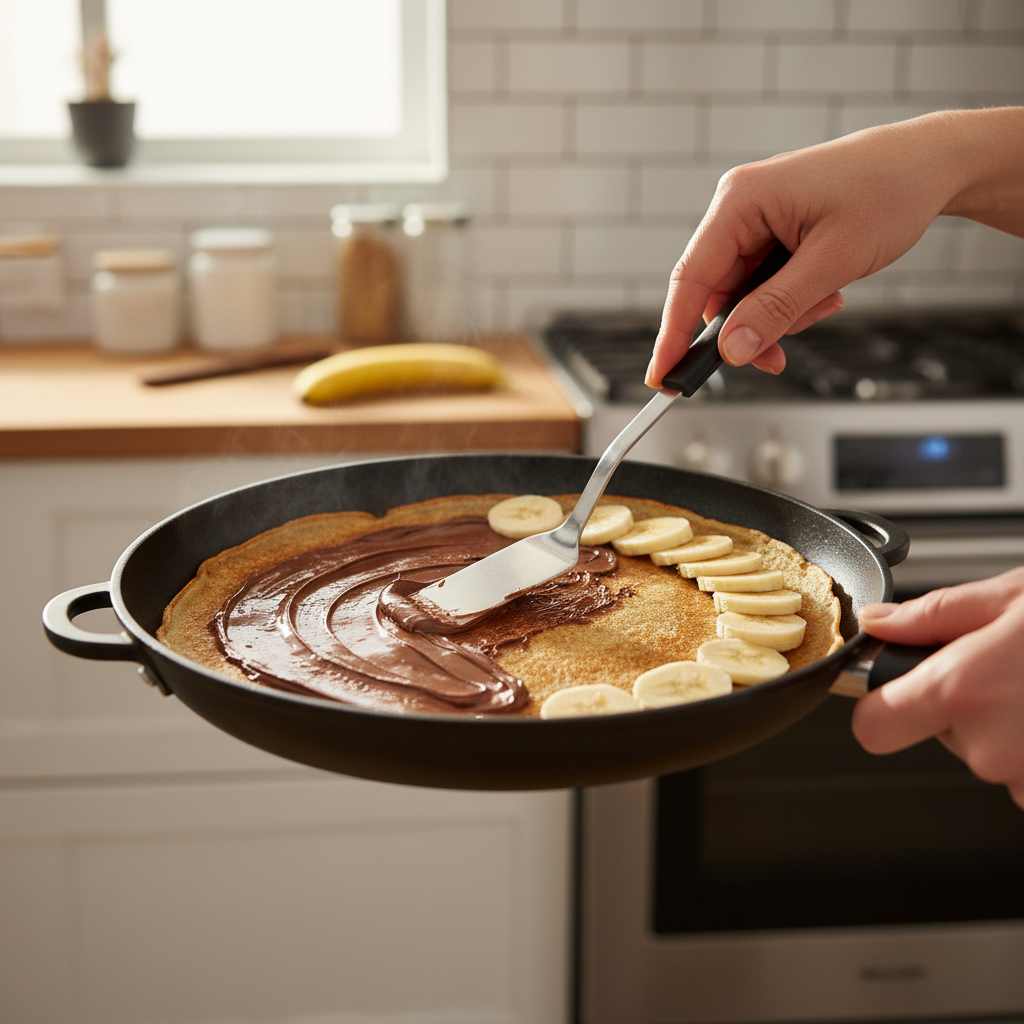
| Fruit-forward | Strawberries, bananas, blueberries, sliced peaches | Add a little jam to “glue” fruit in place |
| Dessert | Nutella, chocolate sauce, caramel, whipped cream | Use less than you think; thin crepes get heavy fast |
| Café-style | Vanilla yogurt, honey, toasted nuts | Crunch (nuts) makes the texture feel intentional |
| Fancy but easy | Orange segments + orange zest + warm butter | Zest adds aroma without extra sweetness |
One practical rule: if your filling is very sweet, skip sugar in the batter next time. It keeps the whole bite from turning cloying.
Make-ahead, storage, and reheating (so crepes feel effortless)
Crepes are one of the rare breakfast foods that reheat well if you keep them from drying out.
- Refrigerate cooked crepes: stack with parchment between, seal well, use within 2–3 days.
- Freeze: same parchment stack, freeze flat in a zip bag, then pull as needed.
- Reheat: warm a dry skillet over medium-low, heat 10–20 seconds per side. Microwave works in a pinch, but can make edges chewy.
If you’re hosting, make the batch earlier and set up a “fill-your-own” station. It’s less stressful and people get what they actually want.
Common mistakes to avoid (and small fixes that matter)
- Skipping the rest: even 20 minutes usually improves spread and tenderness.
- Measuring flour by scooping: it can pack flour; spoon and level if you can, or whisk flour first to loosen.
- Cooking on high heat: you want controlled browning, not crisp “crepe chips”.
- Adding lots of butter to the pan each time: wipe and reapply lightly, especially after the first crepe.
- Expecting the first one to be perfect: the pan needs a moment to stabilize; treat the first as a heat test.
If you’re aiming for consistently tender french crepes sweet, keep your batter thin, your swirl fast, and your cook time short.
Key takeaways (print this mentally)
- Consistency wins: batter should pour like heavy cream, not like pancake batter.
- Medium heat beats high heat for even setting and easy flipping.
- Light grease works better than a buttery puddle.
- Resting helps with tenderness and fewer tears.
- Fill simply so the crepe stays the star.
Conclusion: your next batch should feel easy
Once you treat crepes as a heat-and-consistency game, they stop feeling finicky. Mix a smooth batter, give it a short rest, and cook on steady medium heat, you’ll get thin, flexible crepes that fold without drama.
If you want a simple next step, make a double batch on your next try, freeze half, and you’ll have sweet crepes ready for a fast dessert night without starting from scratch.
FAQ
Why are my sweet crepes sticking even with a nonstick pan?
Usually the pan isn’t fully preheated, or the coating has hot spots from wear. Warm the pan longer on medium, then use a very light butter wipe between crepes rather than a big pour.
Can I make french crepes sweet without a blender?
Yes. Whisk eggs first, then add flour and liquids gradually. If small lumps remain, let the batter rest; many lumps hydrate and soften on their own.
How thin should I spread the batter?
Thin enough that you can see a slight sheen and it sets quickly, but not so thin that you get lots of holes. If it won’t reach the edges when you swirl, add 1–2 tablespoons milk and test again.
Do I really need to rest the batter?
In many kitchens, yes, because it improves hydration and makes flipping easier. If you’re short on time, even 15–20 minutes can be worth it.
What’s the best way to keep crepes warm for brunch?
Stack them and cover with a clean towel, or keep in a low oven with a loose cover so they don’t dry out. If they start to stiffen, reduce oven time and rewarm briefly in a skillet.
Can I use plant-based milk for sweet crepes?
Often yes, though results vary by brand and thickness. Oat milk tends to brown nicely; almond milk can be lighter. You may need a small extra pinch of salt for balance.
Why are my crepes chewy instead of tender?
Chewiness often comes from overcooking or batter that didn’t rest. Keep the second side brief, and try resting longer next time. If you reheated in the microwave, switch to a skillet for a softer texture.
Are sweet crepes safe to eat if the center looks pale?
Pale is normal for crepes, since they’re thin and cook quickly. If you’re unsure, cook a touch longer on the first side. For egg-related safety questions, consider guidance from USDA or ask a food safety professional.
If you’re trying to get french crepes sweet right without wasting ingredients, it can help to treat your first batch as a “calibration round” and note batter thickness and heat level, then adjust one variable next time for faster progress.