
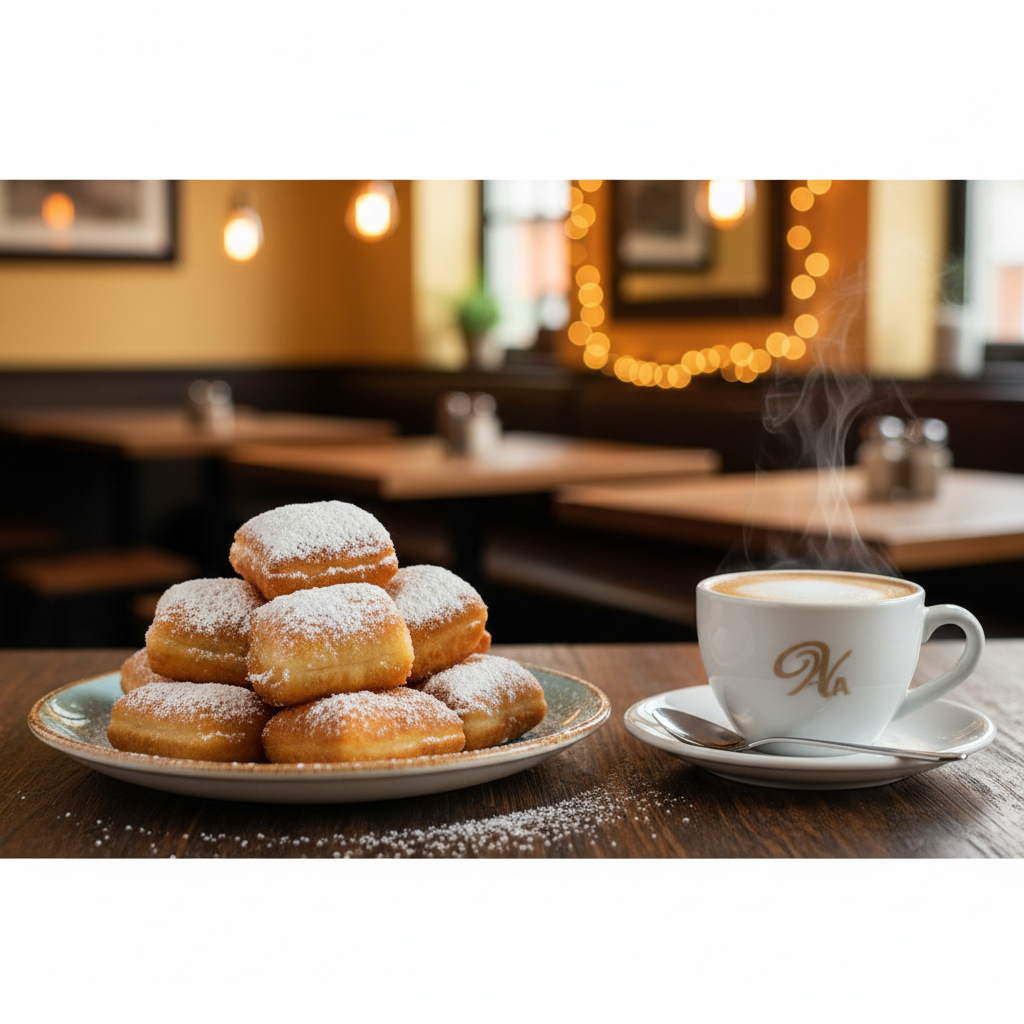
New orleans beignets are supposed to be airy, tender, and a little messy, but at home they often come out heavy, oily, or barely puffed at all.
The good news is you don’t need a deep fryer or a culinary degree, you just need a dough that’s properly hydrated, a short list of “don’t rush this” steps, and oil that stays in the right temperature zone.
I’ll walk you through an easy approach that fits a normal home kitchen, plus quick diagnostics for the two big heartbreaks: dense centers and greasy crust.
What makes New Orleans beignets different (and why it matters)
People use “beignet” like it just means a donut, but New Orleans-style beignets have a specific vibe: a yeasted, square-cut dough that puffs into a pillow when it hits hot oil, then gets buried in powdered sugar.
Two practical differences shape the recipe:
- Yeast + resting time create that light, bready interior instead of a cake-donut crumb.
- High hydration dough (slightly sticky) helps the beignets balloon, a dry dough tends to fry up tight and tough.
According to the USDA, yeast breads rise best when conditions support active fermentation, so warm (not hot) liquids and enough time matter more than people expect.
Ingredients and smart substitutions (so you don’t get stuck)
You can make new orleans beignets with pantry basics. The goal is balance: enough sugar for flavor and browning, enough fat for tenderness, and enough liquid for lift.
Core ingredients
- All-purpose flour: reliable, easy to handle.
- Active dry yeast or instant yeast: both work, timing changes slightly.
- Warm water + warm milk: gives flavor and a softer crumb.
- Egg: helps structure and richness.
- Sugar: modest amount in the dough, most sweetness comes from powdered sugar.
- Butter (melted) or neutral oil: tenderness.
- Salt: makes the flavor read as “bakery,” not bland bread.
- Oil for frying: canola/vegetable/peanut are common choices.
- Powdered sugar: the finish line.
Quick substitution table
| Ingredient | Best swap | What changes |
|---|---|---|
| Milk | Water or non-dairy milk | Less richness, still works |
| Butter | Neutral oil | Slightly lighter flavor |
| Active dry yeast | Instant yeast | Shorter proof time in many kitchens |
| Peanut oil | Canola/vegetable oil | Similar frying performance |
Easy New Orleans beignets recipe (step-by-step)
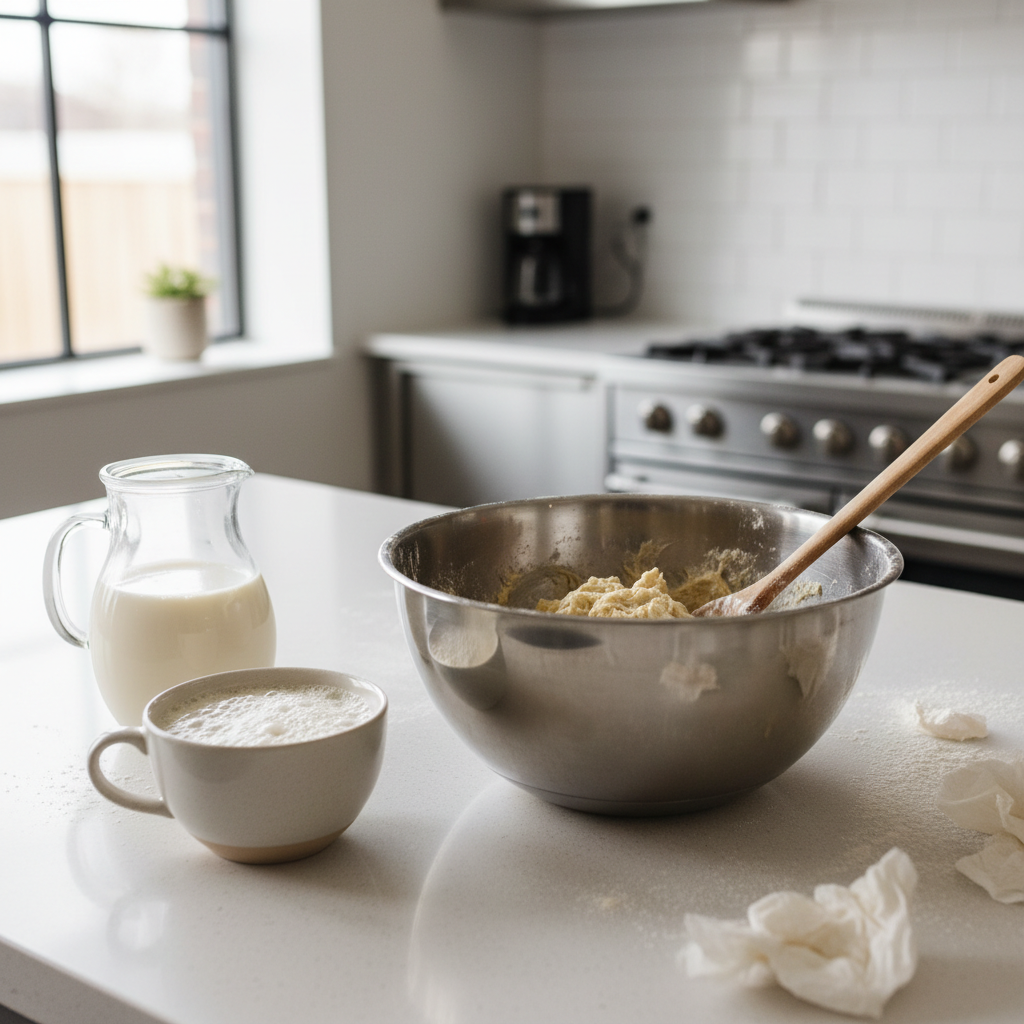
This method aims for consistent results without overworking the dough. Expect sticky at first, it should calm down after the first rise and a chill.
Ingredients (makes about 24 small beignets)
- 3/4 cup warm water (about 105–110°F)
- 1 packet active dry yeast (2 1/4 tsp)
- 1/4 cup granulated sugar
- 1/2 cup warm milk
- 1 large egg
- 4 tbsp melted butter (cooled slightly)
- 1 tsp fine salt
- 3 1/2 cups all-purpose flour, plus more for dusting
- Oil for frying
- Powdered sugar for serving
1) Activate the yeast
Stir yeast and a pinch of the sugar into warm water, wait 5–10 minutes until foamy. If nothing happens, the water may be too hot/cold or the yeast may be old, it’s better to restart now than hope later.
2) Mix the dough
In a large bowl, whisk sugar, warm milk, egg, butter, and salt. Add the yeast mixture, then add flour gradually, mixing until a sticky dough forms. If you’re using a mixer, keep it on low, beignet dough doesn’t need aggressive kneading.
3) First rise
Cover and let rise until doubled, often 1–2 hours depending on room temperature. If your kitchen runs cold, a turned-off oven with the light on can help.
4) Chill for easier handling
Punch down gently, cover, then refrigerate at least 2 hours (or overnight). This step makes cutting easier and often improves flavor, and it can reduce the urge to add too much flour on the counter.
5) Roll, cut, and rest briefly
On a lightly floured surface, roll dough to about 1/4 inch thick. Cut into 2 to 2 1/2 inch squares. Rest 10–15 minutes while your oil heats, this short pause helps the dough relax and puff.
6) Fry at the right temperature
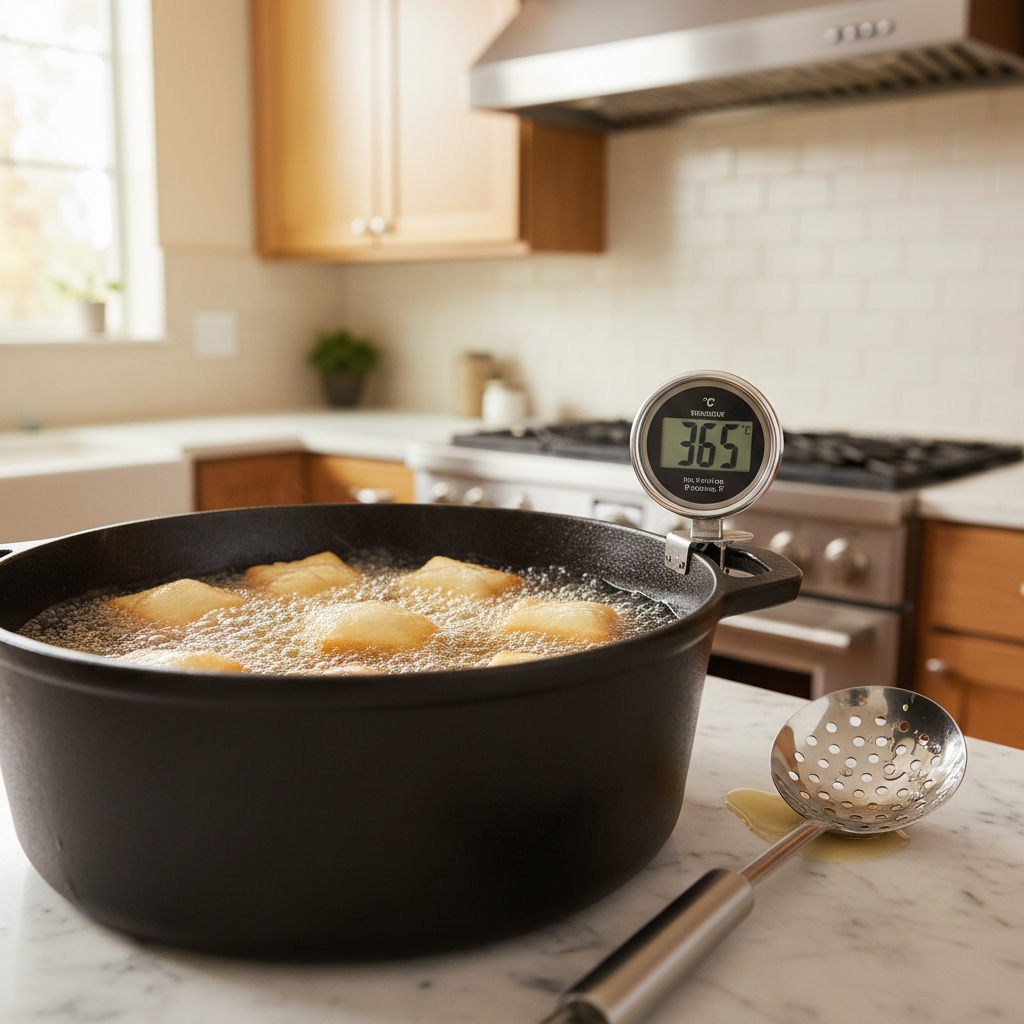
Heat oil to 360–370°F. Fry a few pieces at a time, turning once, about 60–90 seconds per side until golden. Transfer to a rack or paper towels.
According to the FDA, using a food thermometer improves temperature accuracy, and with frying, accuracy is the whole game.
7) Powdered sugar, generously
Dust heavily while warm. If you want the classic look, you’re not being dramatic, you’re being correct.
Quick self-check: why your beignets come out dense or greasy
Before you tweak ingredients, check the usual culprits. Most “bad beignets” are process issues, not recipe issues.
- Dough felt dry: too much flour during mixing or rolling, the beignets won’t puff as well.
- No real rise: yeast didn’t activate, or the dough didn’t double before chilling.
- Oil too cool: the dough absorbs oil instead of puffing, texture turns heavy.
- Oil too hot: outsides brown fast, inside stays undercooked and gummy.
- Overcrowding the pot: temperature drops, same greasy problem, just faster.
Practical tips that make the recipe feel “easy” in real life
When people say a recipe is easy, they usually mean it’s forgiving. Beignets can be forgiving, as long as you respect a few details.
Keep flour “light” during shaping
Dust your hands and surface, but don’t keep feeding flour into the dough. If it sticks, chill longer or use a bench scraper, instead of turning it into a bread dough brick.
Use a thermometer, even a cheap one
Guessing oil temperature is where most home batches go sideways. Aim for 360–370°F, and let the oil recover between batches.
Fry in small batches
A crowded pot feels efficient, but it drops the temperature and gives you that oily crust. Four to six small squares per batch often works in a home pot.
Serve fast, reheat smart
New orleans beignets are at their best within an hour. If you need a redo, warm them briefly in a low oven, then re-dust with powdered sugar, microwaving tends to make them chewy.
Food safety and cleanup notes (because hot oil is not a vibe)
Frying at home is manageable, but treat it like a small project, not a casual side quest.
- Choose a deep, heavy pot to reduce splatter and stabilize temperature.
- Leave headroom, oil should sit well below the rim.
- Keep water away, even small droplets can cause dangerous splatter.
- Cool oil fully before moving or straining. If you’re unsure about disposal rules, check local guidance.
If you have kids or pets underfoot, it may be worth postponing frying to a calmer time, or asking another adult to help manage the space.
Key takeaways (save this for your next batch)
- Sticky dough is normal, dry dough rarely puffs the way you want.
- Chilling helps with handling and can improve flavor.
- 360–370°F oil is the difference between fluffy and greasy.
- Don’t crowd the pot, keep batches small for stable heat.
- Powdered sugar is not optional, it’s part of the experience.
Conclusion: café-style beignets are realistic at home
If you want new orleans beignets that feel right, focus less on fancy techniques and more on two things: a dough that actually rises, and oil that stays in the safe, puff-friendly range. Make one batch with a thermometer and a proper chill, then adjust from there based on how your kitchen behaves.
If you’re baking this weekend, pick your lane now: mix the dough tonight for an easier morning fry, or start early and give the first rise the time it asks for, both paths work, rushing usually doesn’t.
FAQ
- Can I make New Orleans beignets without a stand mixer?
Yes. A bowl and sturdy spoon work fine because the dough doesn’t require intense kneading. The key is mixing until cohesive, then letting time do the work. - Why didn’t my beignets puff up?
Most often it’s under-proofed dough or oil that sat too cool. Check that the dough doubled on the first rise, and verify oil temperature with a thermometer instead of guessing. - What oil is best for frying beignets?
Neutral, high-smoke-point oils like canola or peanut are common. If allergies are a concern, avoid peanut oil and keep your kitchen free of cross-contact. - Can I bake beignets instead of frying?
You can bake similar dough, but the texture won’t match classic new orleans beignets. If frying isn’t comfortable, baked versions can still be tasty, just expect more “roll” than “pillow.” - How do I store leftover beignets?
They’re best fresh. If you must store them, keep them airtight at room temp for a day, rewarm in a low oven, then add fresh powdered sugar right before serving. - Why are my beignets oily?
Oil temperature usually ran low, or the pot was overcrowded. Let oil return to 360–370°F between batches and fry fewer pieces at a time. - Can I prep the dough ahead of time?
Yes, overnight refrigeration is convenient and often improves flavor. Just keep it covered well to prevent drying, then roll and cut while still cool.
If you’re trying to get that classic café feel at home and you want a more predictable workflow, it can help to write your timing down once, rise time, chill window, frying temp range, then reuse it like a small “kitchen checklist” for future batches.