
World cuisine doesn’t have to mean specialty stores, unfamiliar techniques, or a sink full of dishes, you can cook globally inspired meals with regular U.S. grocery ingredients and a few smart shortcuts.
Most people get stuck in the same loop, tacos, pasta, takeout, repeat, not because they don’t like new flavors, but because “international recipes” can feel like a weekend project. This guide keeps it practical: approachable recipes, flexible ingredient swaps, and a plan that actually fits a busy week.
You’ll get a small set of popular dishes from different regions, plus a quick shopping framework and a timing strategy so you’re not juggling five pans at 8 p.m. I’ll also point out where authenticity matters, and where it’s okay to adapt without guilt.
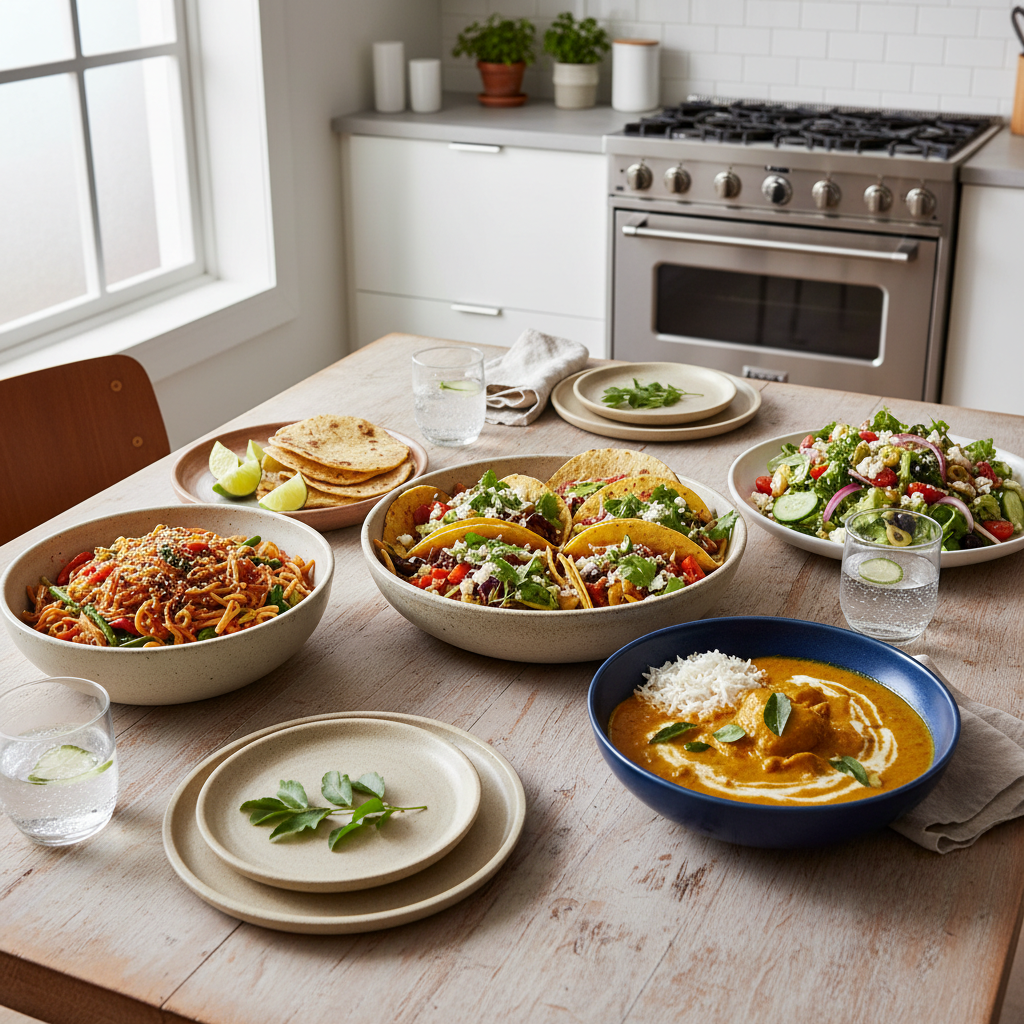
What “easy” world cuisine really means (and what it doesn’t)
Easy doesn’t mean bland, it means you can get the core flavor profile without chasing rare ingredients. In most home kitchens, that comes down to three things: one strong sauce or spice blend, one reliable cooking method, and one fresh topping that wakes everything up.
It also helps to separate “restaurant-style” from “home-style.” Many classic meals around the world are designed to be cooked at home with modest tools, not plated like a tasting menu.
- Keep the signature flavor: a curry paste, a salsa base, a chimichurri, a miso-ginger sauce.
- Choose forgiving methods: sheet-pan roasting, stir-fry, simmering, pressure cooking.
- Use smart substitutes: Greek yogurt for labneh, bottled passata for crushed tomatoes, ground turkey for beef when needed.
According to USDA Food Safety and Inspection Service (FSIS), using a food thermometer is the most reliable way to know proteins reach a safe internal temperature, which matters even more when you’re trying new cuts or methods.
A quick “global pantry” that makes weeknights simpler
If you buy everything from scratch for each recipe, world cuisine turns into a pricey scavenger hunt. A small pantry kit lets you rotate flavors with minimal effort, and it’s usually cheaper over time.
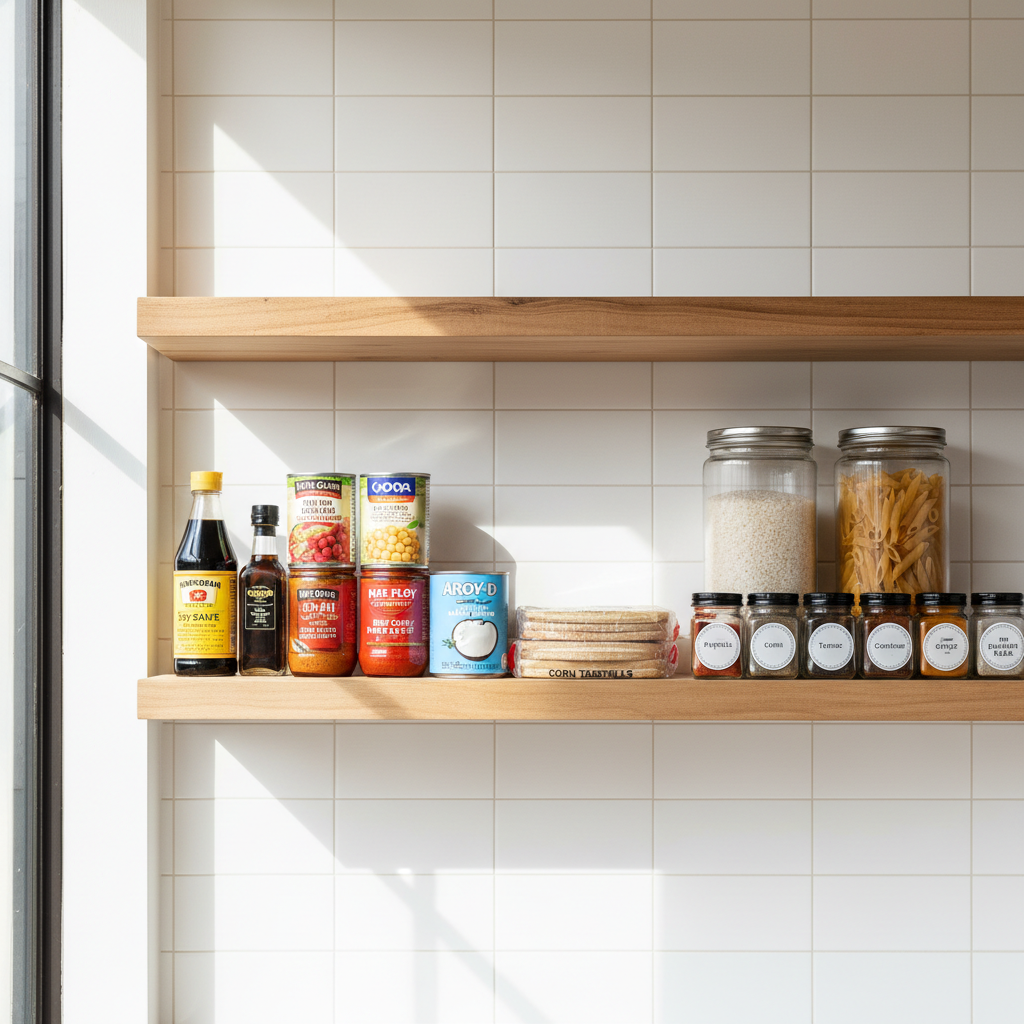
Staples worth keeping on hand
- Umami + salt: soy sauce or tamari, fish sauce (optional), miso paste (optional)
- Acid: limes/lemons, rice vinegar, red wine vinegar
- Heat + aroma: chili flakes, cumin, smoked paprika, curry powder or paste
- Comfort bases: rice, tortillas, pasta, canned tomatoes, coconut milk
- Fast proteins: eggs, canned beans, frozen shrimp, chicken thighs
If you cook for mixed preferences, keep “finisher” ingredients separate, cilantro, chili oil, yogurt sauce, pickled onions. People can customize without you making two dinners.
7 popular world cuisine recipes (easy versions that still taste right)
These are intentionally weeknight-friendly. Each one has a clear flavor anchor, a short ingredient list, and a realistic cooking timeline.
1) Mexican-inspired sheet-pan chicken fajitas
Flavor anchor: lime + cumin + chili powder. Roast sliced peppers and onions with chicken strips, finish with lime and warm tortillas.
- Shortcut: use a store-bought fajita seasoning you already like, add fresh lime at the end.
- Make it work: serve with a quick yogurt-lime sauce if sour cream isn’t on hand.
2) Japanese-style miso ginger salmon (or tofu)
Flavor anchor: miso + ginger + a little sweetness. Broil or air-fry salmon, brush with miso-ginger glaze, serve with rice and cucumber.
- Swap: tofu or chicken thighs also take the glaze well.
- Tip: don’t burn miso under high heat, glaze late and watch closely.
3) Indian-inspired chickpea coconut curry
Flavor anchor: curry paste/powder + coconut milk. Simmer chickpeas with onion, garlic, spices, and coconut milk, finish with lemon.
- Shortcut: frozen chopped onion or jarred minced garlic saves time.
- Texture fix: add a handful of spinach near the end so it wilts fast.
4) Italian pantry puttanesca-style pasta
Flavor anchor: tomatoes + olives + capers. Simmer a quick sauce, toss with pasta, finish with parsley if you have it.
- Swap: if anchovies feel intimidating, use a bit of extra olive brine for depth.
- Weeknight win: everything is shelf-stable except herbs.
5) Thai-style basil stir-fry (pad kra pao-ish)
Flavor anchor: basil + garlic + chili + savory sauce. Stir-fry ground chicken or turkey, add sauce, fold in basil, serve with rice and a fried egg.
- Swap: regular basil works when Thai basil is hard to find.
- Control heat: chili flakes on the side keeps it family-friendly.
6) Mediterranean Greek-ish bowl with lemon-herb dressing
Flavor anchor: lemon + olive oil + oregano. Build bowls with cucumber, tomato, chickpeas or chicken, feta, and a quick dressing.
- Shortcut: rotisserie chicken counts, especially on busy nights.
- Make-ahead: dressing keeps for days and makes lunches easier.
7) Middle Eastern-inspired shakshuka
Flavor anchor: tomatoes + cumin + paprika. Simmer spiced tomato sauce, crack in eggs, cover until set, eat with bread.
- Swap: add white beans for extra protein if eggs aren’t enough.
- Timing: keep the yolks how you like by pulling the pan early.
Pick your recipe by mood: a simple comparison table
If you’re deciding at 5:30 p.m., this kind of quick filter saves you from overthinking.
| Dish | Time | Skill level | Best for | Key groceries |
|---|---|---|---|---|
| Sheet-pan fajitas | 25–35 min | Easy | Family dinners | Chicken, peppers, tortillas |
| Miso ginger salmon/tofu | 15–25 min | Easy | Fast + “feels fancy” | Miso, ginger, rice |
| Chickpea coconut curry | 25–40 min | Easy | Meatless comfort | Chickpeas, coconut milk |
| Puttanesca-style pasta | 20–30 min | Easy | Pantry night | Pasta, tomatoes, olives |
| Thai basil stir-fry | 15–25 min | Medium | Bold flavor fast | Ground meat, basil |
| Mediterranean bowl | 10–20 min | Easy | No-cook-ish | Veg, feta, chickpeas |
| Shakshuka | 20–35 min | Easy | Brunch for dinner | Eggs, canned tomatoes |
A quick self-check: why your “international” meals keep falling flat
If you’ve tried world cuisine recipes and they taste oddly muted, it’s usually not your skills. It’s one of these gaps.
- Not enough salt early: seasoning only at the end rarely fixes the middle.
- Missing acid: many global dishes rely on lime, vinegar, yogurt, or pickles to brighten flavors.
- Heat control issues: stir-fries get steamy, roasted veg stays pale, sauces never reduce.
- Wrong “anchor” ingredient: swapping a key paste/sauce can change the whole personality.
- No fresh finish: herbs, scallions, toasted nuts, or a drizzle often make the dish.
Also, a reality check: if a recipe calls for 18 ingredients and multiple marinades, it might still be great, but it’s not “easy,” and it’s okay to skip it on a Wednesday.
Practical steps to make world cuisine easier (without cutting corners that matter)
This is the workflow that keeps things calm, especially if you’re cooking after work.
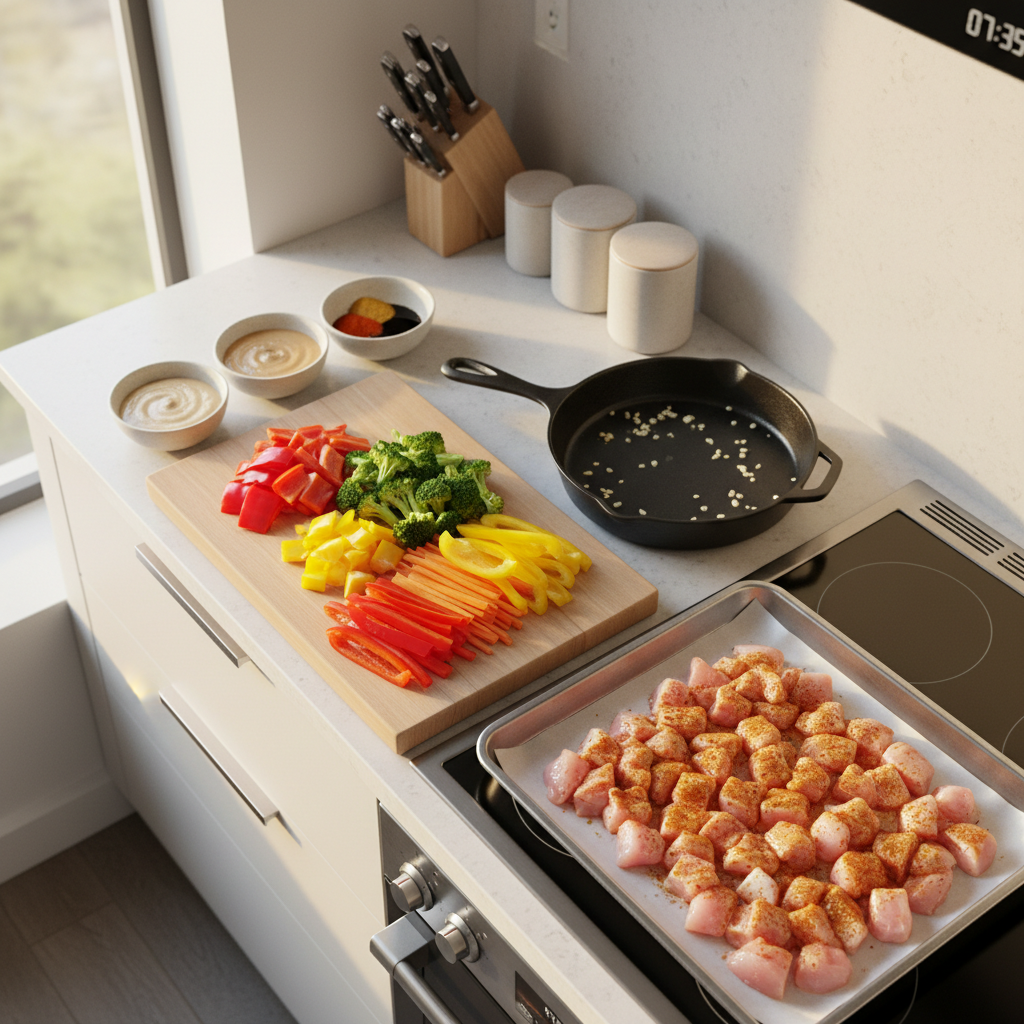
Use the “one base + one topping” method
- Base: rice, noodles, tortillas, greens, or bread
- Main: a simple protein or beans
- Topping: something fresh or crunchy (herbs, pickles, cucumbers, toasted sesame)
Batch one versatile sauce per week
Pick one: lemon-herb dressing, salsa verde, peanut sauce, yogurt-garlic sauce. You’ll suddenly “have a plan” even when you don’t feel like cooking.
Buy one authentic ingredient per region (and let the rest be flexible)
For example: good miso for Japanese-style meals, a curry paste you trust for Thai-inspired dinners, or quality olives for Mediterranean food. One authentic anchor tends to carry the dish, the rest can be pragmatic.
Common mistakes and safety notes (small things that save dinner)
- Overcrowding the pan: stir-fry and roasting both need space, crowding causes steaming and dull flavor.
- Adding garlic too early: it burns fast, especially in high-heat cooking.
- Assuming “spicy” equals “flavorful”: build layers with aromatics, salt, and acid, then add heat.
- Food safety basics still apply: wash produce, avoid cross-contamination, and cook proteins to safe temperatures. According to CDC, preventing cross-contamination in the kitchen helps reduce foodborne illness risk.
If you have dietary restrictions, allergies, or medical nutrition needs, ingredient swaps can get tricky fast, it may help to consult a registered dietitian or qualified clinician for personalized guidance.
Conclusion: start small, rotate flavors, keep it fun
World cuisine becomes easy when you stop trying to “master a country” and start collecting a few repeatable flavor patterns. Keep one signature ingredient, use a forgiving method, and finish with something fresh, that’s the whole game.
If you want a simple next step, pick two recipes from the list, shop once, and batch one sauce. Next week, keep the sauce and swap the main, you’ll feel the variety without doubling the effort.
FAQ
What is the easiest world cuisine to start cooking at home?
Many people find Mediterranean bowls, Italian pantry pasta, or Mexican-inspired sheet-pan meals easiest, the ingredients are widely available in the U.S. and the techniques feel familiar.
How do I cook world cuisine if I can’t find specialty ingredients?
Choose one “anchor” item that’s worth sourcing, like miso or curry paste, then substitute the rest. In lots of home-style cooking, the overall balance matters more than perfect brand matching.
Are these recipes authentic or more like inspired versions?
They’re mostly inspired, designed for weeknights. If you want closer-to-traditional results, keep the same dish but upgrade the key flavor ingredients and follow region-specific technique details.
How can I make global meals kid-friendly without making separate food?
Keep heat and strong toppings optional: serve chili oil, fresh chiles, and herbs on the side. The base dish stays flavorful, and everyone customizes their plate.
What should I cook when I have 20 minutes and zero energy?
Mediterranean bowls, puttanesca-style pasta, or Thai-style basil stir-fry are solid choices, they rely on pantry items and cook quickly with minimal prep.
How do I meal prep world cuisine without getting bored?
Prep components, not full meals: cook rice, roast a tray of vegetables, mix one sauce, then change toppings and proteins through the week so the flavors shift.
Is cooking spicy food safe for everyone?
Spice tolerance varies and some conditions can be sensitive to heat, so it’s usually smart to add chiles at the table. If you have health concerns, consider asking a clinician for guidance.
If you’re trying to eat more globally at home but want less guesswork, it can help to start with a short rotation of reliable “anchor” sauces and a grocery list that repeats, you’ll still get variety, just without the planning fatigue.