
Vegetarian dishes can feel either effortless or oddly complicated, depending on whether you have a plan for protein, texture, and flavor. If your meals keep turning into “salad again,” or you’re hungry an hour later, the fix is usually more about structure than willpower.
It’s worth getting right because a solid rotation of plant-forward meals can support energy, digestion, and budget, but only if you consistently hit the basics: enough protein, enough fiber, and enough satisfaction to keep you from grazing all night.
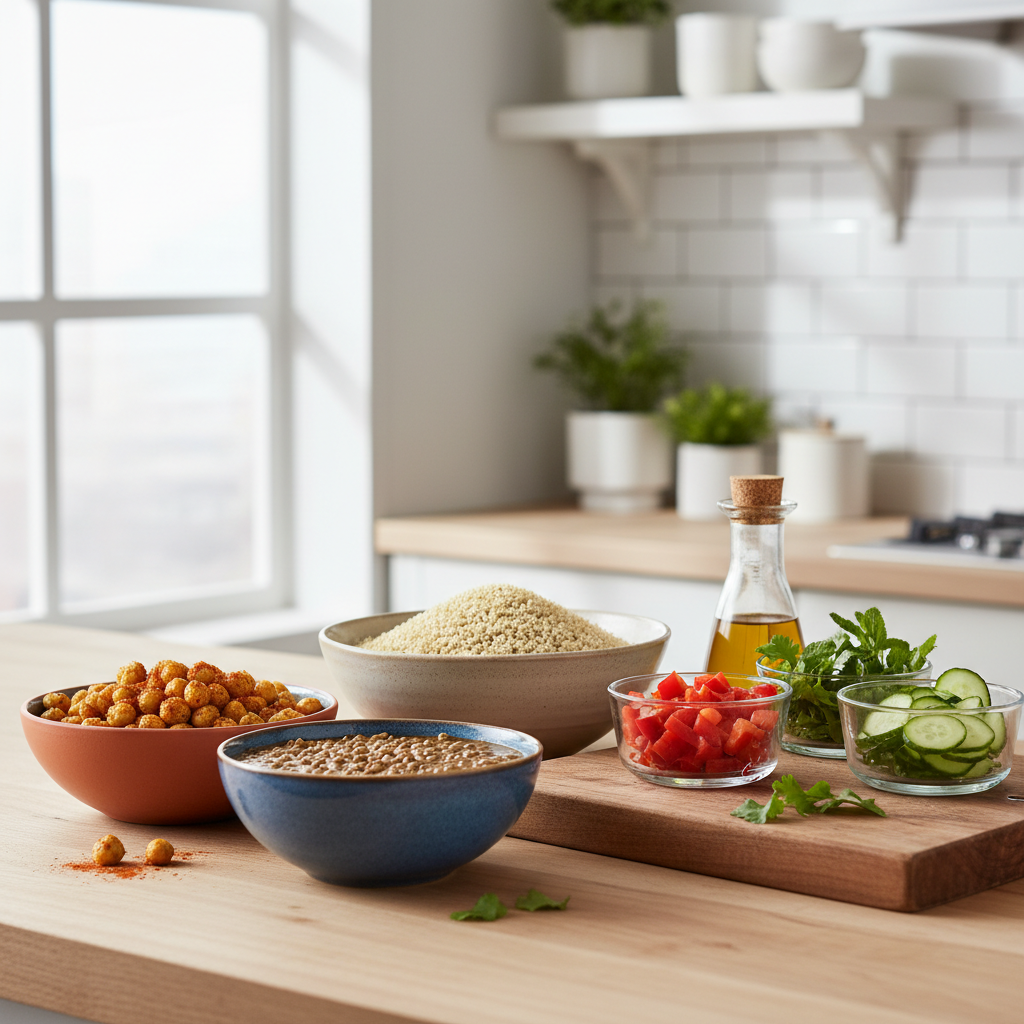
This guide breaks down why some vegetarian meals don’t “stick,” how to quickly judge what your plate is missing, and a set of practical dish ideas you can remix for breakfasts, lunches, and dinners without feeling like you live on beans.
What makes vegetarian meals feel “healthy” and satisfying
Most people don’t struggle with vegetables, they struggle with staying full and keeping cravings calm. In many cases, that comes down to three levers: protein, fiber, and fat, plus enough salt and acid to make everything taste like real food.
- Protein: beans, lentils, tofu, tempeh, edamame, Greek yogurt, cottage cheese, eggs (if you eat them), seitan, and some whole grains.
- Fiber + volume: vegetables, berries, legumes, chia/flax, whole grains. These slow digestion and help meals “hold.”
- Fats: olive oil, avocado, nuts, seeds, tahini. They make meals satisfying and help absorb fat-soluble vitamins.
- Flavor anchors: citrus, vinegar, fermented foods, chili crisp, herbs, spice blends, and well-salted cooking water for grains.
According to the USDA, healthy eating patterns emphasize a variety of vegetables, fruits, grains (at least half whole), and protein foods including legumes, nuts, and seeds. The nuance is personal though, your appetite, training load, and health conditions can change what “enough” looks like.
Quick self-check: why your vegetarian dishes aren’t working
If your current routine feels off, use this quick checklist before you overhaul everything. It’s usually one missing piece, not ten.
- You get hungry fast: protein is low, or the meal is mostly refined carbs (white pasta, bread, crackers) without beans/tofu/eggs/dairy.
- You feel heavy or bloated: too much raw fiber at once, too many legumes without gradual build-up, or not enough water.
- You crave sweets at night: lunch may be light on protein and fat, or you’re under-eating earlier.
- You’re bored: same seasoning profile, same texture (soft + mushy), or not enough crunch/acid.
- Your meals take forever: no staples prepped, you’re cooking from scratch every time.
If you have a medical condition (for example, kidney disease, IBS, or diabetes), it’s smart to check major diet shifts with a clinician or dietitian, because higher fiber or higher protein changes can affect symptoms and labs.
A practical build-a-bowl formula (that actually repeats well)
When people say vegetarian cooking is “hard,” they often mean decision fatigue. Bowls fix that, because you can swap ingredients while keeping the same structure.
- Base: brown rice, quinoa, farro, barley, roasted sweet potato, or greens.
- Protein: lentils, chickpeas, black beans, tofu, tempeh, edamame, eggs, or yogurt-based sauces.
- Vegetables: at least two colors, mix cooked + raw for better texture.
- Crunch: pepitas, almonds, sesame, toasted breadcrumbs, cabbage slaw.
- Sauce: tahini-lemon, peanut-lime, salsa + yogurt, chimichurri, miso-ginger.
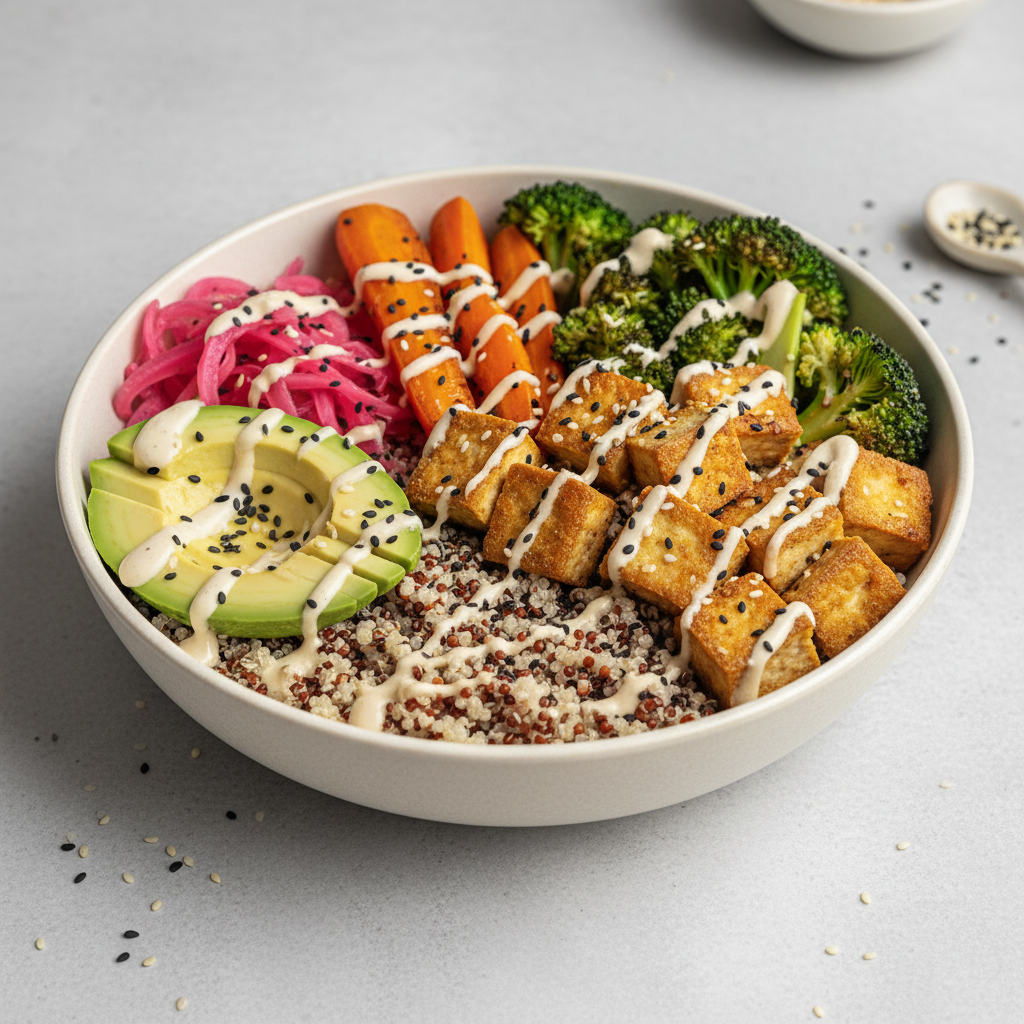
Key point: if the bowl tastes flat, add acid and salt before you add more toppings. A squeeze of lemon and a pinch of salt often fixes what people try to solve with extra cheese or extra oil.
Healthy vegetarian dishes you can rotate all week (breakfast to dinner)
Below are options that tend to work well for busy schedules. You can scale each recipe by changing the protein amount or adding another side.
Breakfast-friendly
- Greek yogurt parfait with berries, chia, and toasted nuts, add a drizzle of honey if needed.
- Tofu scramble with spinach, peppers, and salsa, serve with whole-grain toast.
- Overnight oats with milk/soy milk, peanut butter, and banana, add flax for extra fiber.
Lunch staples
- Lentil soup with carrots, celery, and tomatoes, finish with lemon and olive oil.
- Chickpea salad sandwich (mashed chickpeas, celery, mustard, herbs) on whole-grain bread.
- Big chopped salad plus edamame or white beans, and a tahini dressing to keep it filling.
Dinner crowd-pleasers
- Sheet-pan tofu + vegetables with a soy-ginger glaze, serve over rice.
- Vegetable chili with beans and corn, top with yogurt or avocado.
- Whole-wheat pasta with sautéed mushrooms and spinach, add white beans for protein.
Smart swaps: a simple table to upgrade your usual meals
Sometimes you don’t need new recipes, you need small upgrades that change fullness and nutrition without changing your life.
| When your meal is… | Likely missing | Easy fix (5 minutes) |
|---|---|---|
| Mostly pasta or bread | Protein + fiber | Add white beans, lentils, or tofu; switch to whole-grain pasta |
| Big salad but you’re hungry soon | Fat + protein | Add avocado or nuts; add chickpeas/edamame; use a yogurt/tahini dressing |
| Stir-fry feels bland | Acid + salt | Finish with lime or rice vinegar; add soy sauce or miso |
| Bean-heavy meals cause discomfort | Gradual fiber build | Start with smaller portions; rinse canned beans; choose lentils more often |
| Snacking all afternoon | Balanced lunch | Pack a grain bowl with a clear protein portion and a satisfying sauce |
Meal prep that doesn’t take over your Sunday
Meal prep works best when you prep components, not full meals. It keeps you from eating the same thing four days in a row, and it makes weeknights calmer.
- Pick 2 proteins: a pot of lentils and a sheet pan of tofu, or chickpeas plus hard-boiled eggs if you eat them.
- Pick 2 carbs: quinoa and roasted sweet potatoes, or brown rice and whole-wheat pasta.
- Pick 2 sauces: tahini-lemon and salsa-yogurt, or peanut-lime and chimichurri.
- Prep “fast veg”: bagged greens, cucumbers, cherry tomatoes, shredded cabbage for crunch.
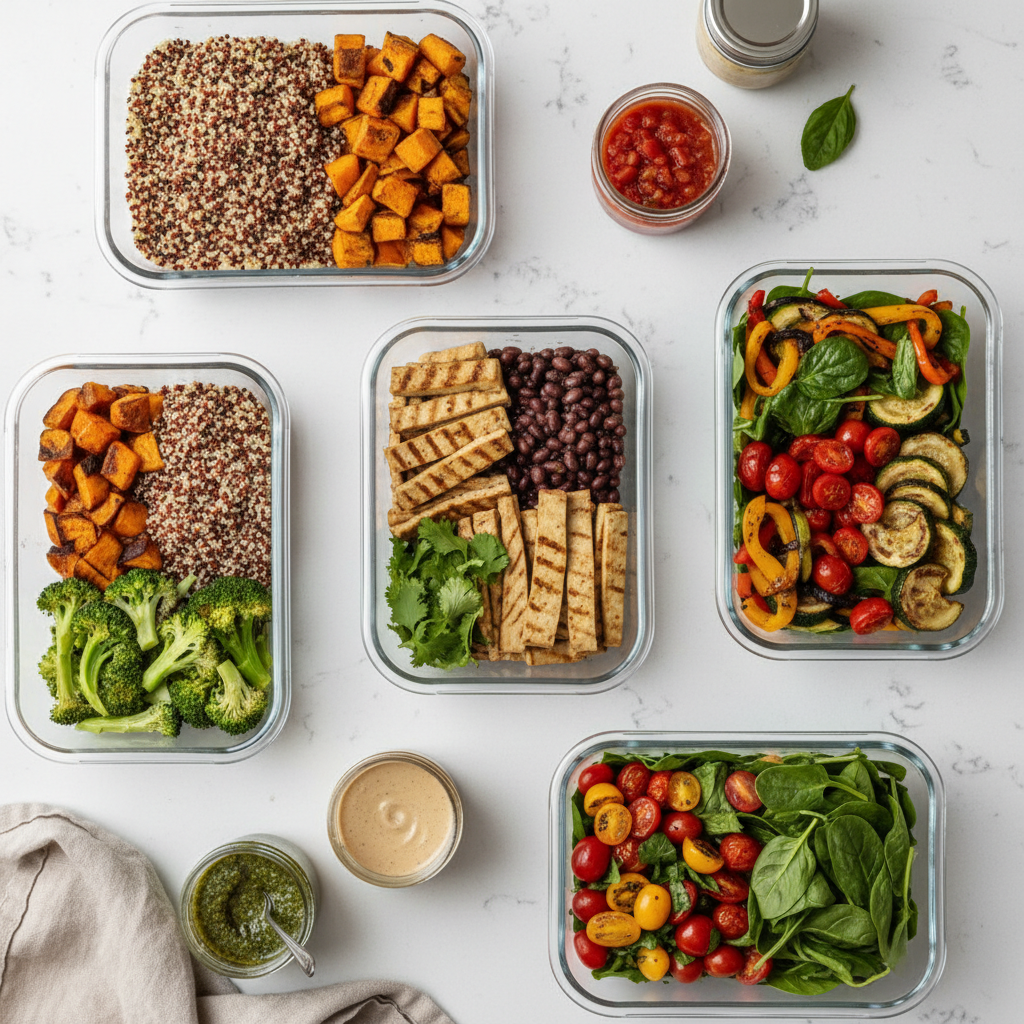
Key point: keep one “emergency meal” in the freezer, like veggie chili or a lentil stew. That single backup prevents the takeout spiral on your busiest day.
Common mistakes (and what to do instead)
- Relying on ultra-processed meat substitutes every day: they can fit, but many people feel better when they rotate whole-food proteins too.
- Going too low-fat by accident: if every meal feels unsatisfying, add a measured fat source like olive oil, nuts, or tahini.
- Too much raw fiber at once: swap some raw veg for roasted or sautéed, and increase beans gradually.
- Not enough iodine, iron, B12, or vitamin D attention: depending on your diet pattern, you may need fortified foods or supplements, a clinician can help personalize this.
According to the National Institutes of Health (NIH) Office of Dietary Supplements, certain nutrients such as vitamin B12 are primarily found in animal products, so people eating fully plant-based often use fortified foods or supplements. If you’re unsure, it’s reasonable to ask for labs rather than guessing.
When it makes sense to get professional help
If you’re building vegetarian dishes for health reasons and something still feels off, don’t force it for months. Getting targeted advice can save time and frustration.
- You have persistent GI symptoms after increasing legumes or fiber.
- You’re pregnant, managing diabetes, or have kidney disease, these situations often need individualized guidance.
- You feel low energy, weak, or notice hair/skin changes that concern you.
- You’re training hard and can’t recover well on your current intake.
A registered dietitian can help adjust portions, protein targets, and nutrient coverage without turning your meals into a spreadsheet.
Conclusion: keep it simple, keep it consistent
Healthy eating with vegetarian dishes usually clicks when you stop chasing perfect recipes and start repeating a few reliable structures: a clear protein, plenty of plants, and a sauce that makes you want to eat it again. Choose two go-to bowls, one soup, and one sheet-pan dinner, then rotate flavors to avoid boredom.
If you want a clean next step, pick one meal this week to “upgrade” using the table above, and prep just one protein in advance. That small move tends to change everything.
FAQ
What are the healthiest vegetarian dishes for weight loss?
Meals built around legumes, vegetables, and whole grains often work well because they’re filling for the calories. Many people do better when they keep protein visible on the plate and don’t rely on refined carbs alone.
How do I make vegetarian meals more filling without overeating?
Add protein and a modest fat source, then increase volume with vegetables. A bean-and-veggie chili with avocado usually satisfies longer than a bowl of plain rice and veggies.
Are meat substitutes okay in a healthy vegetarian diet?
They can fit, especially for convenience, but it’s smart to rotate in minimally processed options like beans, tofu, tempeh, eggs, or dairy if you eat them. If sodium is a concern, check labels and balance the rest of the day.
How can I avoid gas when I eat more beans?
Go slowly, rinse canned beans, and try lentils more often since they’re easier for many people. If symptoms stay intense, it may be worth discussing with a clinician, especially if you have IBS.
What’s an easy vegetarian protein combo for beginners?
Beans + rice is classic, and tofu + quinoa is another easy pair. You don’t need perfect “protein combining” at each meal for most healthy adults, but steady protein across the day helps.
Can vegetarian dishes meet my iron needs?
Often yes, but it depends on your total intake and absorption. Pair iron-rich plant foods (lentils, beans, spinach) with vitamin C sources (citrus, bell pepper) and consider labs if you’re concerned.
What are quick vegetarian lunch ideas for work?
Grain bowls, lentil soup, chickpea salad sandwiches, and big salads with a real protein portion pack well. Keeping a sauce or dressing separate helps texture and makes leftovers more appealing.
If you’re trying to eat more plant-forward but keep hitting the same wall, hunger, boredom, or prep time, it can help to map out a small “starter rotation” and a shopping list that supports it, so your week has fewer decisions and more meals that actually satisfy.