
How to make tzatziki sauce cucumber is mostly about getting the water out, then building flavor in the right order so it stays thick, bright, and scoopable instead of runny.
If you have ever made tzatziki that turned into “cucumber yogurt soup” after 20 minutes, you are not alone, it usually comes down to cucumber moisture, yogurt choice, and a few small timing details. The good news, you can fix all three without fancy tools.
This guide keeps it practical, you will get a reliable base recipe, a quick “is my tzatziki on track” checklist, and a few variations for different meals like gyros, veggie platters, or grilled chicken. I will also point out the common shortcuts that backfire, because they waste ingredients fast.
What makes cucumber tzatziki tricky in real kitchens
Tzatziki looks simple, yogurt plus cucumber plus garlic, but it behaves like a dip and a salad at the same time. If the balance tips, texture and flavor go flat.
- Cucumbers shed water, even after you mix, they keep releasing moisture and thin the sauce.
- Yogurt varies a lot, some tubs are naturally looser, even if the label says “Greek.”
- Raw garlic blooms over time, too much can turn harsh after chilling, too little tastes like “plain yogurt with green bits.”
- Salt timing matters, salt pulls water from cucumber, which is great if you drain, annoying if you skip that step.
According to USDA Food Safety and Inspection Service, perishable dairy-based dips should be kept refrigerated and not left out too long at room temperature, so the “make ahead, chill, then serve” workflow is not just about taste, it also supports safer handling.
Ingredients that actually matter (and smart substitutions)
You can make a solid version with a short list, but the quality of two items tends to decide the outcome, yogurt and cucumber.
Core ingredients
- Greek yogurt, 2% or whole milk usually tastes richer and sets thicker than nonfat.
- English cucumber or Persian cucumbers, they have fewer seeds and a thinner skin, less bitterness.
- Garlic, fresh clove, grated or pressed.
- Lemon juice or red wine vinegar, for tang and lift.
- Extra-virgin olive oil, rounds edges and helps carry aroma.
- Dill or mint, optional but classic.
- Salt and black pepper.
Useful substitutions (when you are mid-cook)
- If your yogurt seems thin, strain it in a coffee filter or cheesecloth for 30–60 minutes.
- If you only have regular yogurt, expect a looser sauce unless you strain longer.
- No dill, use mint for a fresher “summer” profile, or parsley for a milder herbal note.
- No lemon, a small splash of vinegar works, add slowly and taste.
How to make tzatziki sauce cucumber: the reliable step-by-step method
This is the method that most often prevents watery texture and keeps the flavor balanced after chilling. It is not complicated, but a couple steps feel “extra” until you taste the difference.
Base recipe (makes about 2 cups)
- 2 cups Greek yogurt (preferably 2% or whole milk)
- 1 medium English cucumber, grated
- 1–2 garlic cloves, finely grated or pressed
- 1–2 tbsp lemon juice (to taste)
- 1–2 tbsp olive oil
- 1–2 tbsp chopped dill (optional)
- 1/2 tsp salt, plus more to taste
- Black pepper
Step-by-step
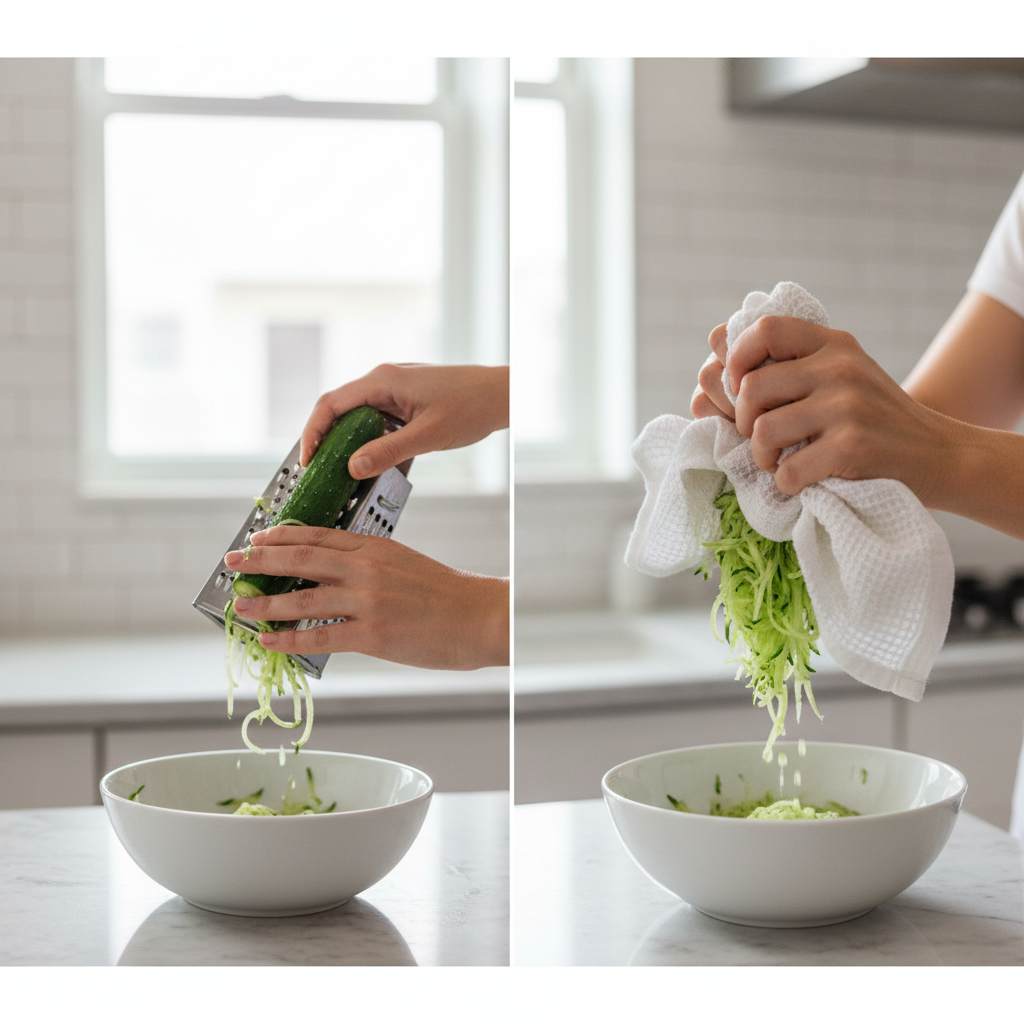
- Grate the cucumber on the large holes of a box grater.
- Salt and drain, toss grated cucumber with a pinch of salt, let it sit 10 minutes, then squeeze hard in a clean towel or several layers of paper towel until it feels almost dry.
- Mix the base, in a bowl combine yogurt, garlic, lemon juice, olive oil, dill, salt, and pepper.
- Fold in cucumber, stir until evenly distributed.
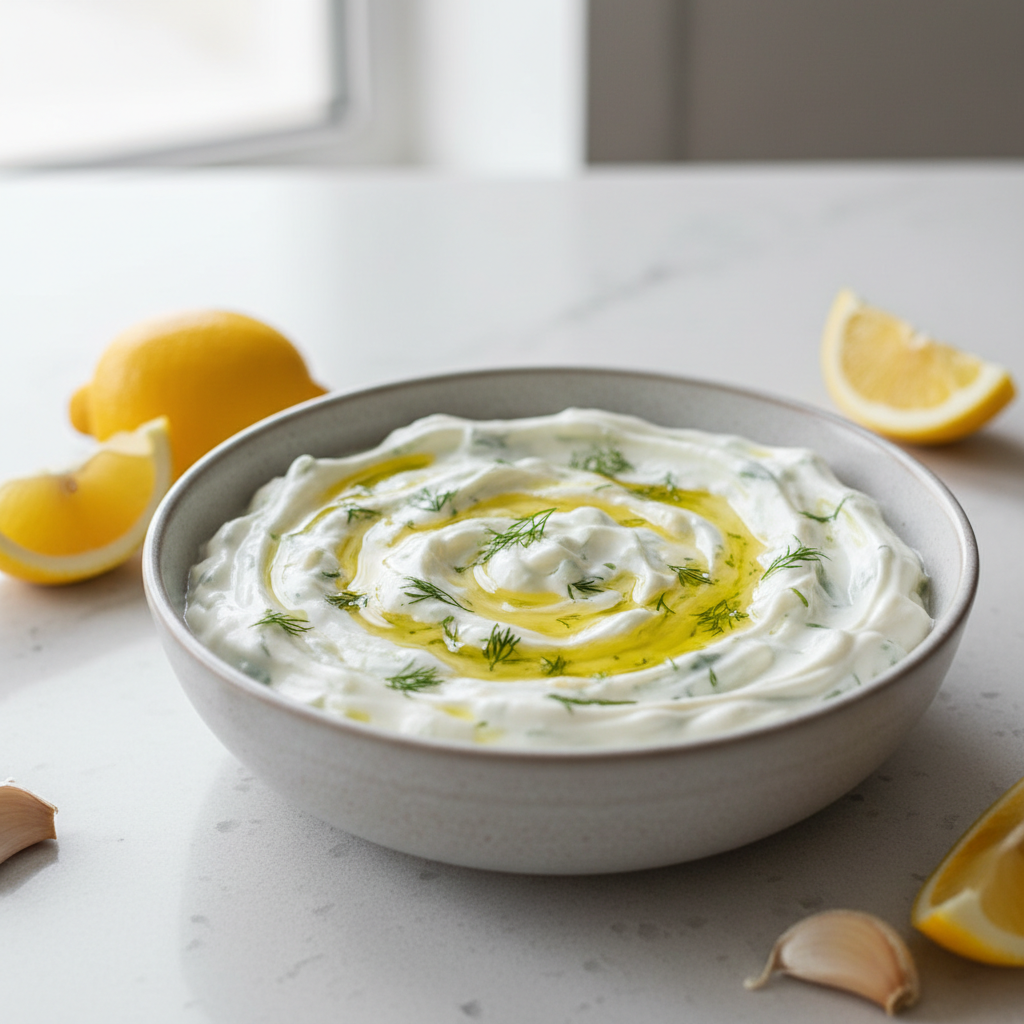
- Chill and adjust, refrigerate 30 minutes, then taste again, add more lemon, salt, or herbs as needed.
If you are aiming for a thicker dip, use slightly less lemon at first, then adjust after chilling, acid can loosen dairy a bit depending on the yogurt.
Quick self-check: will your tzatziki stay thick?
Before you call it done, these checkpoints catch most issues early, when you can still fix them without starting over.
- Cucumber clumps look fluffy, not wet. If liquid pools in the towel after squeezing, squeeze again.
- Yogurt holds soft peaks when you stir, if it pours, strain first.
- Garlic aroma smells fresh, not sharp enough to sting, you can always add more later.
- Salt tastes slightly under right after mixing, chilling dulls saltiness a bit.
- After 30 minutes in the fridge, the texture still feels like a dip, not a dressing.
If you hit only one problem, you can usually rescue it, if you hit three, it is worth slowing down and fixing the foundation, especially draining and yogurt thickness.
Common problems and fast fixes (table)
This is where most people search, because the first batch tastes fine, then it falls apart on the platter. Here are realistic fixes that do not require special ingredients.
| Problem | Likely cause | Fix that usually works |
|---|---|---|
| Watery, separates in bowl | Cucumber not drained enough, yogurt too thin | Spoon off liquid, stir in more strained yogurt, next time squeeze cucumber harder |
| Tastes bland | Not enough salt, acid, or herbs | Add salt in small pinches, then lemon, then dill or mint, taste between each |
| Garlic too strong after chilling | Too much raw garlic, very finely grated | Fold in more yogurt and cucumber, add extra dill and a little olive oil to soften |
| Too tangy | Too much lemon or vinegar up front | Add a bit more yogurt, a drizzle of olive oil, and a pinch of salt to rebalance |
| Gritty texture | Garlic chopped, not grated, or cucumber seeds left in | Grate garlic next time, use English/Persian cucumbers, avoid watery seedy centers |
Flavor variations for different meals (without losing the classic vibe)
Once you learn how to make tzatziki sauce cucumber in the classic style, small tweaks can match the meal, the trick is to keep the base thick and only then add extras.
Gyro and shawarma style (bolder)
- Add a pinch of ground cumin
- Use a little more garlic, but stop before it turns hot
- Finish with extra olive oil on top
Grilled fish or shrimp (brighter)
- Use mint instead of dill, or a half-and-half mix
- Add lemon zest, just a little, for aroma
- Keep garlic modest so seafood stays the focus
Kid-friendly dip (milder)
- Use one small garlic clove, or rub the bowl with a cut clove and discard
- Lean on dill and a touch more olive oil
- Serve with cucumbers, pita, and carrots

Make-ahead, storage, and food safety notes
Tzatziki often tastes better after it sits, but it also changes texture as cucumber continues to relax, plan for that.
- Best make-ahead window: 2–24 hours, flavor rounds out and thickens a touch.
- Storage: keep in an airtight container in the fridge, stir before serving.
- Watery layer on top: normal, spoon it off or stir back in depending on how thick you want it.
- Serving time: do not leave out for long periods, especially outdoors, if you are unsure, follow conservative food-safety guidance.
According to FDA guidance on refrigerated foods, keeping cold foods cold and minimizing time in the “danger zone” supports safer eating, if you are serving at a party, a small bowl that you refresh from the fridge tends to be easier than one big bowl on the table.
Key takeaways before you mix your next batch
If you only remember a few things, remember these, they solve most “why is my tzatziki not like the restaurant” moments.
- Squeeze cucumber until it feels almost dry, this is the texture difference.
- Start with thick yogurt, or strain it, you cannot “season” your way out of runny yogurt.
- Chill, then adjust, garlic and salt change after 30 minutes.
- Add acid slowly, especially if your yogurt is already tangy.
If you want a simple next step, make the base recipe once exactly as written, then on batch two change only one thing, more dill, different cucumber, a little mint, you will learn your preference fast without wrecking the texture.
FAQ
Do I have to peel the cucumber for tzatziki?
Not always. English cucumbers have tender skin, so many people leave it on for color and a little bite. If your cucumber skin feels waxy or tough, peeling helps the texture.
Why does my tzatziki sauce get watery overnight?
Usually cucumber water continues to release after mixing. Next time squeeze more firmly and consider straining yogurt, for the current batch, pour off the liquid and stir again.
Can I use regular yogurt instead of Greek yogurt?
You can, but it often needs straining to behave like a dip. If you skip that, expect a sauce that works better as a drizzle for bowls or grilled meat.
How long should I drain grated cucumber?
Ten minutes with salt is often enough if you squeeze well. If your kitchen is warm or the cucumber is very watery, give it a bit longer, you are watching for “dry shreds,” not a specific clock time.
What if I added too much garlic?
Time can make it feel even stronger. Add more yogurt and cucumber, then balance with dill and a small drizzle of olive oil, it usually softens the edge without turning bland.
Is tzatziki healthy?
It can fit many eating styles, but “healthy” depends on your needs and portions. If you manage sodium, fat, or dairy, it may help to choose a yogurt that matches your goals and ask a clinician for personal guidance.
Can I freeze tzatziki?
Freezing often breaks the texture because yogurt can separate when thawed. If you must, freeze for cooking use, not as a dip, and expect to whisk and drain after thawing.
If you are making tzatziki for a party platter, meal prep bowls, or a week of grilled lunches, a small workflow helps, drain cucumber while you prep everything else, mix, chill, then taste once more right before serving so the final bowl tastes intentional instead of “close enough.”